Navigating the complex landscape of autonomous driving technology and its legal challenges.
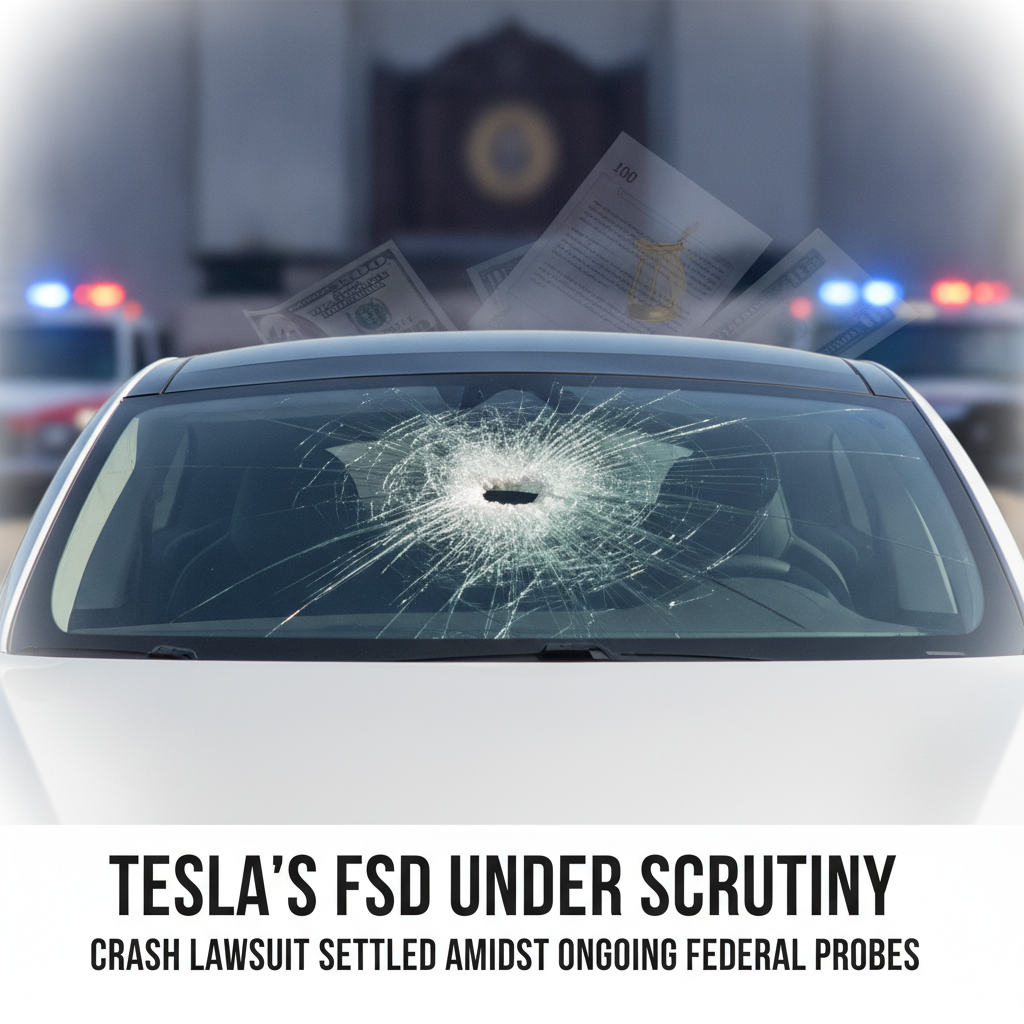
The journey towards fully autonomous vehicles is fraught with technological hurdles, ethical dilemmas, and, increasingly, legal battles. In a significant development, Tesla has reportedly settled a high-profile **Full Self-Driving (FSD) crash lawsuit**. This move comes at a critical juncture, as **federal investigations into Tesla’s FSD system** continue to intensify, casting a long shadow over the future of autonomous technology.
The settlement, the terms of which remain undisclosed, underscores the growing legal challenges faced by companies pushing the boundaries of artificial intelligence in transportation. It also highlights the intricate dance between innovation, safety, and regulatory oversight.
Understanding Tesla’s Full Self-Driving (FSD) System
Tesla’s FSD suite is marketed as a revolutionary step towards autonomous driving, offering features like Autosteer on city streets, automatic lane changes, and traffic light and stop sign control. Despite its branding, FSD is currently a Level 2 advanced driver-assistance system, meaning it requires active driver supervision at all times. Tesla itself advises drivers to remain attentive and be prepared to take over at any moment.
The system operates in a “beta” phase, constantly evolving through over-the-air updates and real-world data collection from its vast fleet of vehicles. While this approach allows for rapid iteration and improvement, it also places significant responsibility on early adopters and raises questions about the readiness and safety of technology still under development for public use.
The FSD Crash Lawsuit: A Closer Look at the Allegations
While the specifics of the recently settled lawsuit are confidential, such cases typically revolve around allegations of system malfunction, deceptive marketing, or a combination of both. In scenarios leading to legal action, plaintiffs often claim that the FSD system failed to perform as expected, leading to collisions, injuries, or even fatalities.
Common complaints in past incidents have included:
- Phantom Braking: Sudden, unexplained deceleration at high speeds.
- Unintended Lane Changes: Vehicles veering into adjacent lanes without driver input.
- Failure to Detect Obstacles: Inability to recognize and react to hazards like emergency vehicles or stationary objects.
- Misinterpretation of Road Markings: Confusing road signs or lines, leading to unsafe maneuvers.
For Tesla, settling a lawsuit, especially a high-profile one, can be a strategic decision to avoid the cost and unpredictability of a trial, mitigate negative publicity, and prevent the establishment of legal precedents that could invite further litigation. However, it does not constitute an admission of guilt or fault on Tesla’s part.
The Shadow of Ongoing Federal Investigations
The settlement unfolds against a backdrop of intensifying scrutiny from federal agencies, primarily the **National Highway Traffic Safety Administration (NHTSA)** and potentially the **Department of Justice (DOJ)**.
NHTSA’s Role in Investigating FSD Safety
NHTSA has been actively investigating crashes involving Tesla’s Autopilot and FSD systems for several years. Their probes often focus on the performance of these systems during critical driving scenarios, aiming to determine whether the technology itself contributes to accidents or if driver misuse is the primary factor.
Key areas of NHTSA’s focus include:
- Analysis of specific crash data involving FSD.
- Evaluation of Tesla’s design, testing, and deployment processes.
- Assessment of driver monitoring systems to ensure proper engagement.
- Recommendations for potential recalls or software updates to address safety defects.
Potential DOJ Scrutiny and Misleading Claims
Reports have also surfaced regarding a potential DOJ investigation into whether Tesla has misled consumers and investors about the capabilities of its FSD technology. Such an investigation could delve into marketing claims, investor communications, and the company’s internal assessments of the system’s readiness and limitations.
The outcomes of these federal investigations could have far-reaching consequences for Tesla, potentially leading to:
- Mandatory recalls of FSD-enabled vehicles.
- Significant fines and penalties.
- New regulations impacting the deployment and marketing of autonomous driving features.
- Even criminal charges in cases of proven misconduct or willful negligence.
Broader Implications for Tesla and the Autonomous Driving Industry
This confluence of legal settlements and federal investigations places **Tesla’s FSD** at a critical crossroads. The implications extend far beyond the company itself, influencing the entire autonomous vehicle industry:
- Regulatory Precedent: The outcome of these investigations could set new standards for how autonomous driving features are developed, tested, marketed, and regulated across the industry.
- Public Trust: Incidents and legal battles can erode public confidence in autonomous technology, potentially slowing its adoption despite its safety benefits.
- Competitive Landscape: Rivals in the autonomous space will be closely watching, learning from Tesla’s challenges, and potentially adapting their strategies for development and deployment.
- Innovation vs. Safety: The debates highlight the ongoing tension between rapidly innovating and ensuring the highest levels of safety and accountability.
The Road Ahead for Tesla’s Full Self-Driving
For Tesla, the path forward will require a delicate balance of continued technological advancement, enhanced transparency, and proactive engagement with regulators. Expect to see:
- Potential modifications to FSD features or their default settings.
- Ramped-up efforts to educate drivers on the system’s limitations and proper usage.
- Increased investment in robust safety validation and testing protocols.
- More cautious or clarified marketing language surrounding FSD capabilities.
Conclusion
The settlement of the **FSD crash lawsuit** is more than just a legal resolution; it’s a potent symbol of the immense challenges and responsibilities that come with pioneering advanced technology. As **federal investigations into Tesla’s FSD** continue, the automotive world watches intently. The decisions made and precedents set in the coming months will not only shape the future of Tesla but also significantly influence the broader trajectory of autonomous driving, determining how quickly and safely we transition to a world where cars drive themselves.
Stay tuned for further updates as this complex narrative unfolds, promising to redefine the legal, ethical, and technological boundaries of our mobility future.
Leave a Reply