It’s July 9, 2026, and the world of AI-driven entertainment just got a monumental upgrade. Character.AI, the pioneering platform renowned for its hyper-realistic and engaging AI companions, has officially thrown its hat into the rapidly expanding microdrama arena. But true to form for a company that consistently pushes the boundaries of artificial intelligence, their entry isn’t just about producing short-form narratives—it comes with a fascinating, industry-redefining twist that promises to redefine interactive storytelling.
The Rise of Microdramas and Character.AI’s Vision
Microdramas, those bite-sized narrative gems perfectly tailored for our attention-sparse digital age, have been skyrocketing in popularity. Think compelling stories, often serialized, delivered in minutes (or even seconds), making them ideal for quick consumption across social platforms. From heartwarming slices of life to intense thrillers, they’ve captivated millions.
For Character.AI, a platform built on the foundation of crafting rich, personality-driven AI entities, the leap into narrative production seems a natural evolution. Their existing technology allows for intricate character development, nuanced dialogue, and the ability to maintain consistent personas across vast interactions. These are the very ingredients for compelling storytelling.
The Twist: Beyond Passive Viewing, Towards Active Participation
Initially, industry watchers speculated that Character.AI would simply leverage its generative AI capabilities to script and animate short video series. While that would be impressive enough, the unveiled truth is far more ambitious:
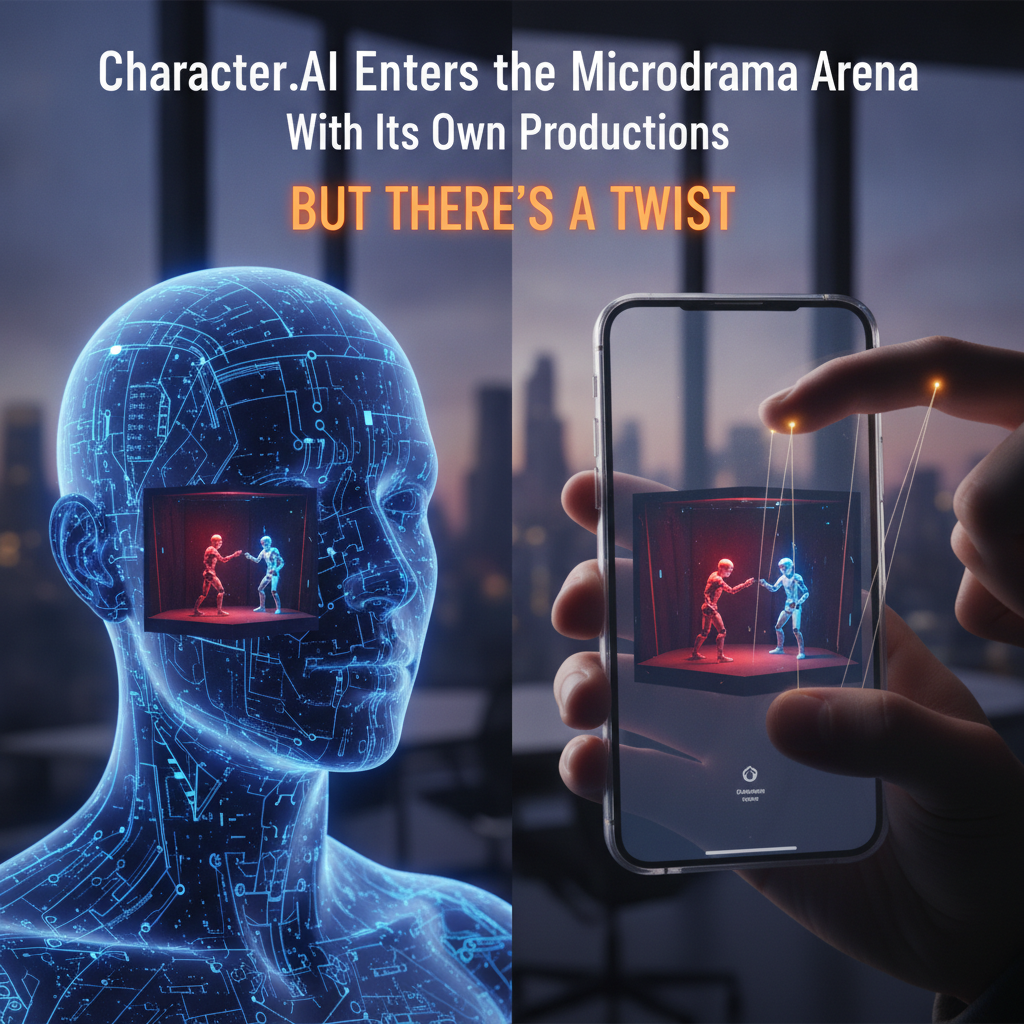
Character.AI’s microdramas are not static, pre-produced content. They are dynamically generated, interactive narratives where viewers can influence the plot, character decisions, and even seamlessly insert their own custom Character.AI companions directly into the storyline.
Imagine tuning into an episode where a critical choice needs to be made by the protagonist. Instead of a pre-recorded outcome, the AI presents you with options, allowing your input (or even the ‘personality’ of your favorite Character.AI bot) to steer the narrative down a unique path. Your engagement fundamentally alters the trajectory of the drama, creating a truly personalized viewing experience.
How Does It Work? The Tech Under the Hood
- Generative AI Core: At the heart of it is an advanced generative AI model capable of real-time scriptwriting, character animation, and voice synthesis, all adapting instantly based on viewer input.
- Personalized Story Branches: Each microdrama is built on a complex web of potential plotlines. Viewer interactions, whether through direct choices or the behavioral patterns of their integrated AI characters, trigger specific branches, ensuring no two viewing experiences are exactly alike.
- AI Character Integration: Users can ‘import’ their own trained Character.AI bots into designated roles within the microdrama. These AI companions then act, speak, and react in character, drawing from their established personalities and knowledge bases, making the viewer’s influence deeply personal and immersive.
- Real-time Rendering: The platform renders these dynamic scenes on the fly, delivering a seamless, cinematic quality without noticeable delays, a testament to significant advancements in AI rendering and processing power.
Implications for Entertainment and Beyond
This move by Character.AI isn’t just a new feature; it’s a paradigm shift for digital entertainment:
- Unprecedented Immersion: Viewers become co-creators, fostering a deeper connection to the narrative and its characters.
- Infinite Replayability: With countless plot permutations, microdramas gain extended lifespans, encouraging repeat engagement.
- Empowering Content Creators: While Character.AI produces its ‘own’ content, the underlying technology could soon empower independent creators to build interactive narratives with unprecedented ease.
- The Future of Fan Fiction: This could evolve into a structured, highly interactive form of fan engagement, where communities collectively shape ongoing narratives.
- Bridging AI and Human Creativity: It blurs the lines between AI as a tool and AI as a creative partner, opening new avenues for collaborative storytelling.
Challenges and the Road Ahead
Of course, such innovation comes with its own set of challenges. Maintaining narrative coherence across countless branches, ensuring ethical AI behavior within dynamic storylines, and managing content moderation in a constantly evolving narrative space will be crucial. However, if Character.AI’s track record is anything to go by, these are obstacles they are well-equipped to tackle.
Conclusion: A New Era of Storytelling
Character.AI’s entry into the microdrama arena with this groundbreaking interactive twist marks a pivotal moment. It’s no longer just about AI creating content; it’s about AI co-creating experiences *with* us. As we move further into the 2020s, platforms like Character.AI are not just shaping the future of AI; they are actively reimagining what entertainment, engagement, and personal connection truly mean in a hyper-digital world. The curtain has just risen on a new act in storytelling, and everyone gets a role.
Leave a Reply