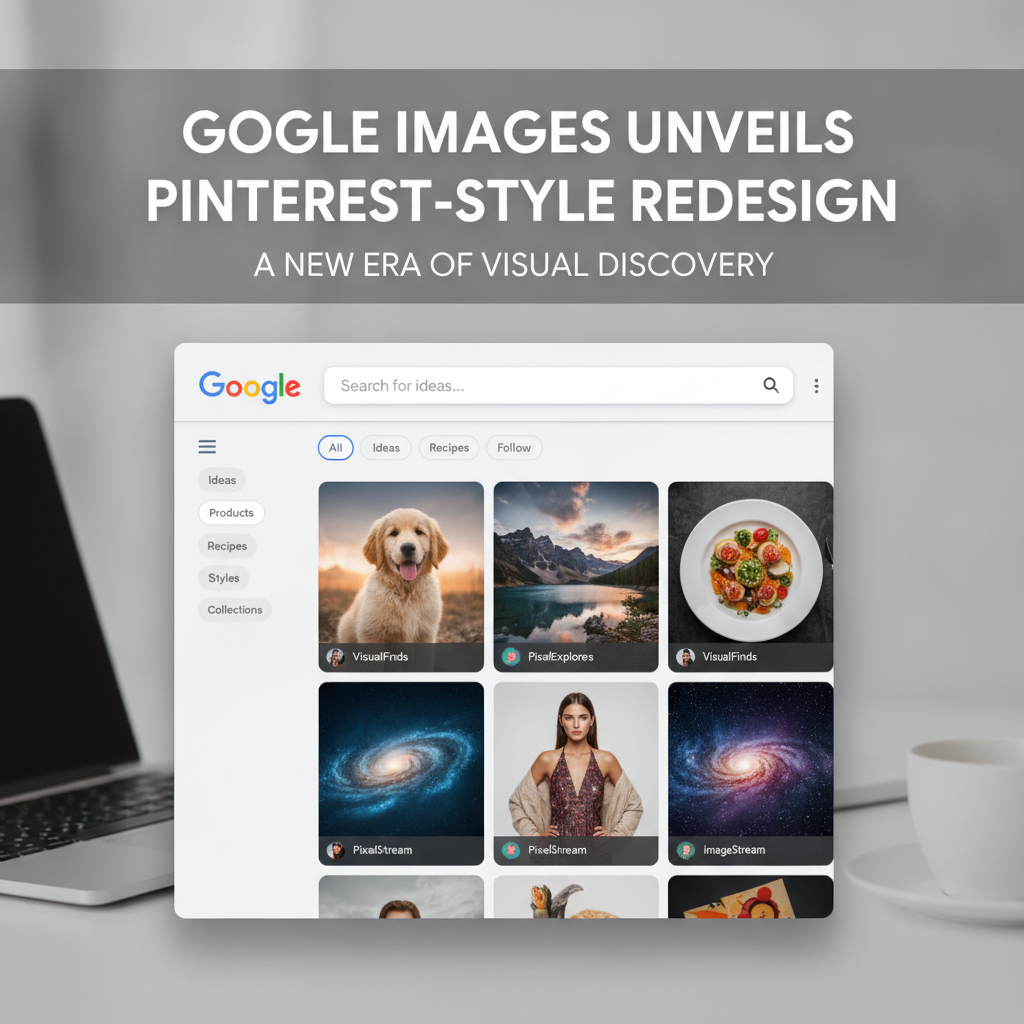
Get ready to rethink how you search for images online. Google, ever the innovator, has officially rolled out a significant redesign for Google Images, transforming it into a more intuitive, immersive, and, dare we say, Pinterest-like experience. Announced today, this revamp is less about finding a specific image and more about fostering a rich, visual discovery journey.
For years, Google Images has been a functional tool for direct searches. Now, it’s evolving into a powerful platform for inspiration, exploration, and creative discovery. Let’s dive into what this exciting update means for users, content creators, and the future of visual search.
The Pinterest-Like Makeover: A Feast for the Eyes
The most striking change is the entirely new user interface. Gone is the somewhat rigid grid, replaced by a dynamic, endlessly scrolling feed reminiscent of Pinterest’s beloved layout. Expect to see:
- Fluid, Masonry-Style Layouts: Images are presented in varying sizes, optimizing screen space and creating a visually engaging flow.
- Larger Previews: High-resolution thumbnails make it easier to appreciate images at a glance, reducing the need for constant clicking.
- Enhanced Visual Context: Each image snippet is enriched with more descriptive text, source information, and immediate access to related topics without leaving the main feed.
This aesthetic shift isn’t just cosmetic. It’s designed to draw you deeper into the visual content, encouraging browsing rather than just rapid searching. It’s about making the act of looking for images a more pleasurable and productive experience.
Beyond Search: A Focus on True Discovery
While the Pinterest-like interface is the first thing you’ll notice, the core philosophy behind this redesign is ‘discovery.’ Google Images is no longer just an index; it’s becoming a curated guide to the visual web.
- AI-Powered Recommendations: Leveraging Google’s advanced AI and machine learning, the new platform intuitively suggests related images, categories, and even styles based on your browsing history and the current image you’re viewing. Think of it as a personalized visual assistant.
- Integrated ‘Related Topics’ & ‘Ideas’: Below or alongside images, you’ll find carousels of relevant searches and conceptual ideas, allowing you to branch out and explore new avenues you might not have considered.
- Enhanced Shoppable Content: For products, the redesign makes it easier to spot and explore items, with more direct links to purchasing options and similar products from different vendors, bringing e-commerce closer to the visual search experience.
This means if you’re looking for ‘modern kitchen design,’ you won’t just see kitchens; you’ll be guided through ‘minimalist appliances,’ ‘marble countertops ideas,’ and ‘smart home integrations,’ all visually presented.
What This Means for Users
For the average internet user, this update is a game-changer for visual inspiration. Whether you’re planning a home renovation, brainstorming a creative project, researching fashion trends, or simply looking for beautiful wallpapers, the new Google Images makes the process more engaging, comprehensive, and serendipitous. It transforms a utility into a destination.
The SEO & Marketing Impact: Optimizing for Visual Discovery
This redesign isn’t just exciting for users; it presents significant opportunities and challenges for publishers, marketers, and SEO professionals. Visual SEO is more critical than ever.
New Priorities for Content Creators:
- High-Quality, Engaging Imagery: Blurry, low-resolution images won’t cut it. Stunning, original, and high-quality visuals will be paramount to stand out in the new discovery feed.
- Robust Image Metadata: Accurate and descriptive
alt text, comprehensive filenames, and relevant captions are no longer optional. They are vital signals for Google’s AI to understand, categorize, and recommend your images for discovery. - Structured Data for Images: Implementing schema markup for images (e.g., product images, recipe images, video thumbnails) will help Google understand the context and intent, increasing visibility for specific use cases like shoppable content or rich results.
- Contextual Relevance: Ensure your images are highly relevant to the surrounding text on your webpage. The AI will consider the entire page’s context when determining image relevance and discoverability.
- Mobile-First Optimization: Given the visual nature and likely increased mobile usage, ensuring images load quickly and display perfectly across all devices is crucial for user experience and SEO.
- Think Beyond Keywords: While keywords remain important, focus on concepts, themes, and user intent that drive visual exploration. What related ideas or feelings does your image evoke?
This shift means that a well-executed visual content strategy can now drive significant traffic and brand exposure directly from Google Images, potentially rivaling traditional web search for certain niches.
The Future of Visual Search is Here
Google’s Pinterest-like redesign of Google Images marks a pivotal moment in the evolution of visual search. It acknowledges the power of images not just for information retrieval, but for inspiration, exploration, and connection. By prioritizing discovery and an immersive user experience, Google is ushering in an era where visuals are not just supplementary to text, but a primary mode of engaging with the web.
For anyone serious about online visibility, the message is clear: it’s time to elevate your visual content game. The new Google Images is waiting to surface your most compelling visuals to a world ready to discover them.
Leave a Reply