In the world of cloud computing, efficiency, scalability, and cost-effectiveness are paramount. Yet, even the most robust platforms can experience hiccups that send shivers down the spine of their users. Recently, Amazon Web Services (AWS), the undisputed leader in cloud infrastructure, faced a significant billing glitch that left some customers staring at astronomical, multi-billion-dollar charges – a stark reminder that even in the cloud, vigilance is key.
What Exactly Happened with the AWS Billing Glitch?
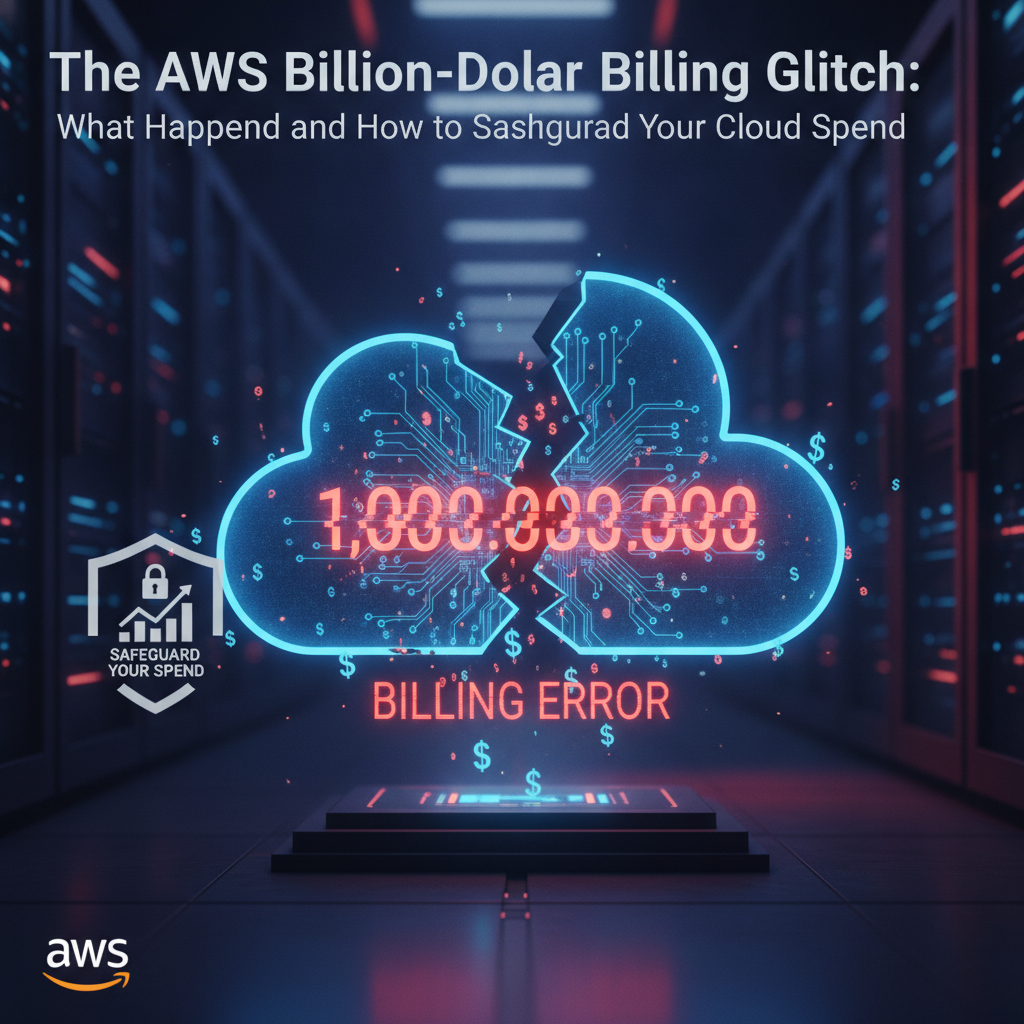
Reports surfaced detailing a severe AWS billing error that caused some users to be charged an unimaginable amount. Instead of typical usage fees, customers were momentarily presented with invoices reflecting billions of dollars in unexpected costs. While AWS quickly acknowledged and rectified the error, the brief period of seeing such a charge was undoubtedly a heart-stopping moment for many finance departments and IT managers.
The glitch appears to have stemmed from an internal system miscalculation, rather than malicious activity or a sudden spike in resource consumption. For a platform as massive and complex as AWS, the intricacies of billing across hundreds of services and millions of users are immense. However, an error of this magnitude underscores the critical importance of accurate financial reporting and robust error detection mechanisms.
The Immediate Impact: Panic and Paranoia
Imagine logging into your AWS console only to find a bill for $3 billion. For businesses, from startups to large enterprises, such a figure could trigger immediate panic, questioning the security of their accounts, the validity of their resource usage, and the future of their cloud strategy. While AWS confirmed that no customer was actually charged these erroneous amounts and the bills were corrected, the psychological impact and the momentary loss of trust can be significant.
This incident serves as a powerful cautionary tale, highlighting potential vulnerabilities in cloud cost management and the absolute necessity for users to have their own safeguards in place, even when dealing with a reputable provider like AWS.
Lessons Learned: Safeguarding Your Cloud Spend
While this particular glitch was an AWS-side issue, it’s a valuable reminder for all cloud users to proactively manage and monitor their AWS spending. Here’s how you can protect your organization from unexpected charges and ensure efficient cloud cost management:
1. Implement Robust AWS Cost Monitoring Tools
- AWS Cost Explorer: Utilize this native tool to visualize, understand, and manage your AWS costs and usage over time.
- Third-Party Cost Management Platforms: Consider solutions that offer advanced analytics, anomaly detection, and optimization recommendations across your entire cloud footprint.
2. Set Up Comprehensive Billing Alerts and Budgets
- AWS Budgets: Configure budgets for your services, usage, or reserved instances. Set up alerts to notify you via email or SNS topic when actual or forecasted costs exceed your defined thresholds.
- Anomaly Detection: Enable AWS Cost Anomaly Detection to automatically detect unusual spending patterns and alert you quickly.
3. Regularly Review Your AWS Usage and Bills
- Monthly Billing Reviews: Don’t just pay the bill; scrutinize it. Understand where your costs are coming from at a granular level.
- Identify Unused Resources: Periodically review your EC2 instances, S3 buckets, EBS volumes, and other services to identify and terminate resources that are no longer needed.
- Tagging Strategy: Implement a consistent tagging strategy across all your AWS resources. This helps attribute costs to specific teams, projects, or environments, making cost analysis much easier.
4. Understand Your AWS Pricing Models
- Familiarize yourself with different pricing models (On-Demand, Reserved Instances, Savings Plans, Spot Instances) and choose the most cost-effective options for your workloads.
- Stay updated on new AWS service pricing and feature releases.
5. Define an Internal Dispute Process
- While rare, billing errors can occur. Have a clear internal process for how to identify, report, and dispute erroneous charges with AWS Support.
Moving Forward: Trust and Transparency
AWS has a strong track record of reliability and customer support. Incidents like the billion-dollar billing glitch are exceptional, but they highlight the continuous need for both cloud providers and users to be diligent. For AWS, it means refining internal systems and enhancing transparency. For customers, it means taking an active role in cloud cost management, treating their cloud spend with the same rigor as any other financial outlay.
By implementing proactive monitoring, setting up intelligent alerts, and fostering a culture of cost awareness, businesses can navigate the complexities of cloud billing with confidence, ensuring they get the most value out of their AWS investment without any unwelcome billion-dollar surprises.