Introduction: Why Everyone Is Talking About Agentic AI
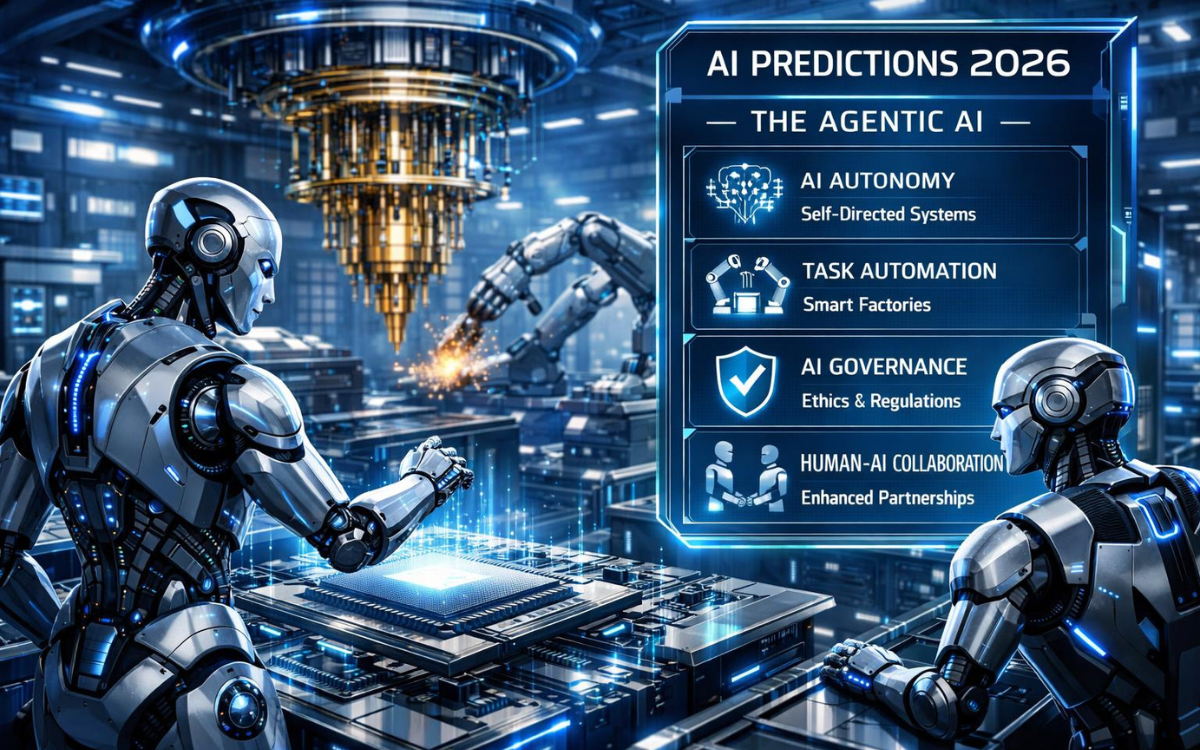
What is Agentic AI is no longer an academic question or a futuristic concept—it is now a boardroom-level discussion. Over the past year, I’ve watched AI evolve from “assistive copilots” to systems that can plan, decide, act, and coordinate autonomously. That shift is exactly what Agentic AI represents.
Agentic AI is shaping enterprise software, cybersecurity, cloud infrastructure, and digital operations at a scale we have not seen before. Major players like ServiceNow, AWS, and CrowdStrike are no longer experimenting—they are deploying agentic systems in production.
This article breaks down:
- What Agentic AI really is (without hype)
- How we arrived here
- Why governance suddenly matters
- The most important Agentic AI developments today
- What this means for businesses, security teams, and IT leaders
What Is Agentic AI? (Clear, Practical Definition)
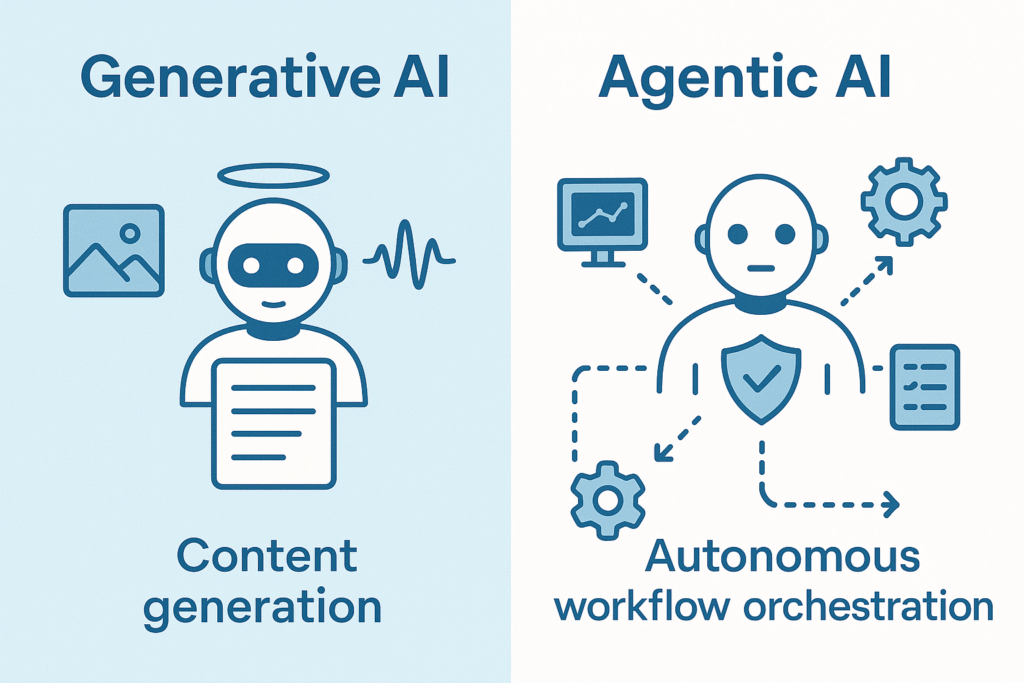
Agentic AI refers to artificial intelligence systems designed to operate as autonomous agents that can perceive, reason, plan, take action, and collaborate with other agents to achieve complex goals—without constant human instruction.
Unlike traditional AI systems that:
- Respond to prompts
- Execute single tasks
- Depend heavily on human input
Agentic AI systems:
- Break down goals into steps
- Choose tools and data sources
- Adapt actions based on outcomes
- Coordinate with other agents
- Operate continuously in real environments
In short, Agentic AI doesn’t just assist—it acts.
Agentic AI vs Generative AI (Important Distinction)
As someone who has written about Generative AI since early GPT models, this distinction matters.
| Generative AI | Agentic AI |
|---|---|
| Produces content | Executes decisions |
| Responds to prompts | Initiates actions |
| Single-model focus | Multi-agent systems |
| Human-in-the-loop | Human-on-the-loop |
| Static outputs | Dynamic workflows |
Agentic AI often uses generative models, but it goes far beyond them.
How We Got Here: The Path to Agentic AI
Agentic AI didn’t appear overnight. It is the result of four major technological shifts:
1. Mature Foundation Models
Large language models reached a level where reasoning, planning, and tool selection became reliable enough for real systems.
2. Tool-Calling and APIs
AI models gained the ability to interact with APIs, databases, SaaS platforms, and cloud services.
3. Workflow Orchestration
Enterprises already had automation frameworks—AI simply became the “brain” coordinating them.
4. Enterprise Demand for Autonomy
Manual workflows could no longer scale. Security operations, IT service management, and cloud governance needed autonomous decision-makers, not dashboards.
Today’s Highlights: Agentic AI News
ServiceNow’s $1B+ Acquisition of Veza: Governance Takes Center Stage
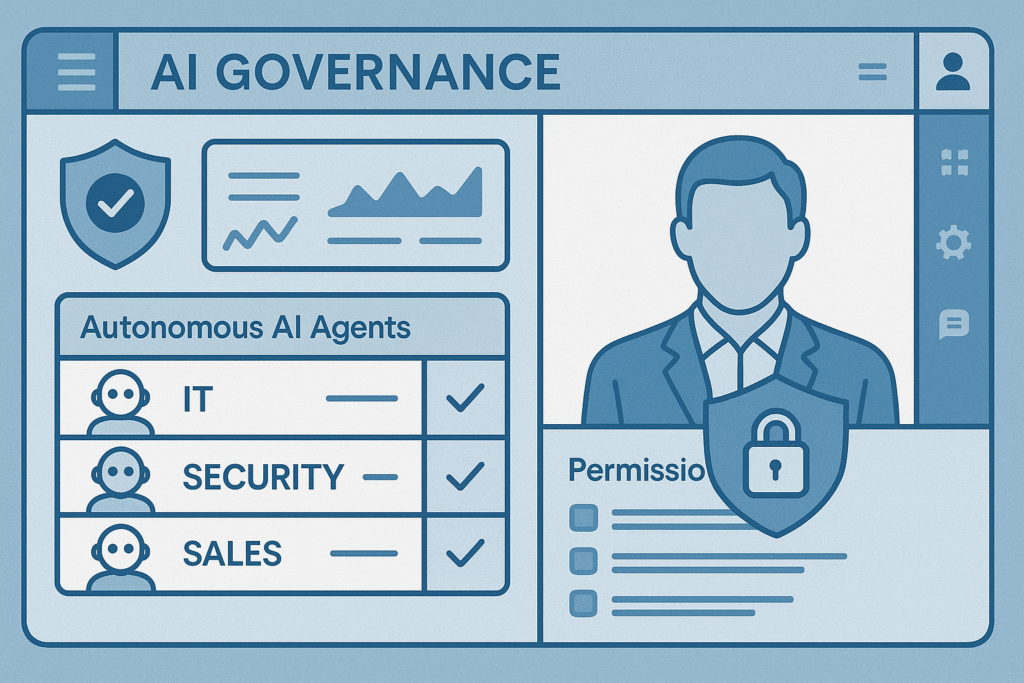
One of the most telling Agentic AI developments this week is ServiceNow’s $1B+ acquisition of Veza.
From an enterprise AI perspective, this move sends a very clear signal:
Agentic AI without governance is a liability.
Veza specializes in identity security and permissions management, especially for non-human identities—APIs, bots, service accounts, and now AI agents.
Why This Matters
Agentic AI systems:
- Create and manage identities
- Request permissions
- Access sensitive systems
- Act autonomously at scale
Without strong governance, these agents can become invisible security risks.
ServiceNow’s strategy indicates that Agentic AI governance will be as important as AI capability itself
AWS at Re:Invent: Scaling Agentic AI Beyond Experiments
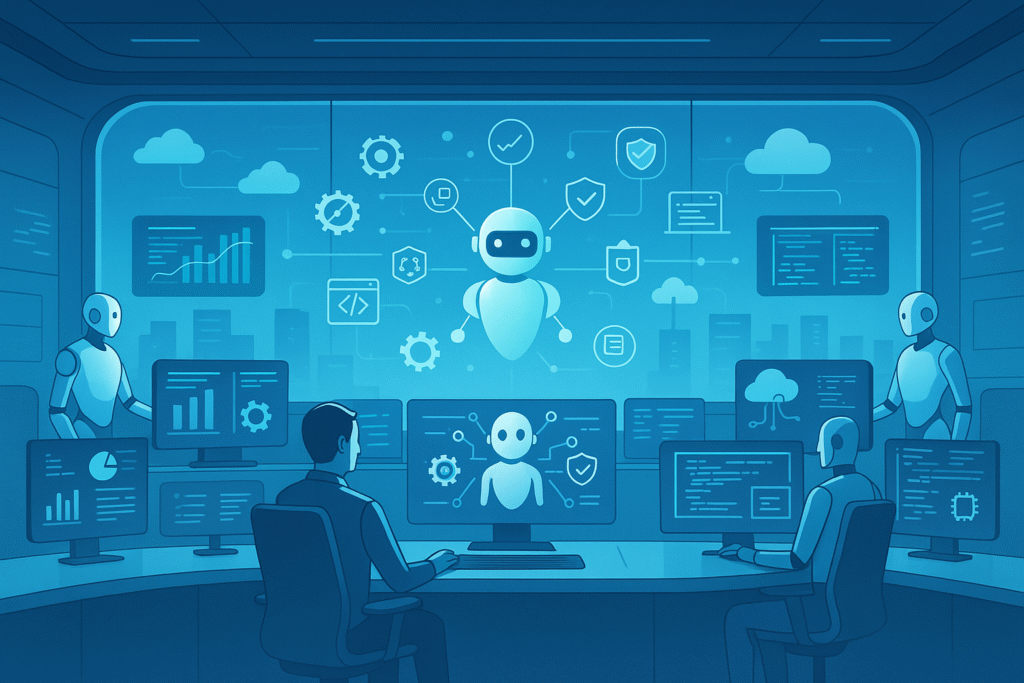
At AWS Re:Invent, the cloud giant outlined a serious push toward scalable Agentic AI.
Key Announcement: Nova Act
AWS introduced Nova Act, a service designed to support:
- Large-scale agent deployment
- Multi-agent coordination
- Long-running autonomous workflows
What stood out to me is AWS’s shift away from simple imitation learning.
Why This Is Important
Earlier agent systems relied heavily on copying human actions. AWS’s new approach emphasizes:
- Goal-based learning
- Feedback loops
- Environment-aware decision making
This marks a transition from scripted agents to adaptive enterprise agents.
CrowdStrike’s Agentic SOC: AI Enters Cyber Defense
CrowdStrike’s announcement of an “agentic SOC” is another major milestone.
Their system uses:
- A fleet of specialized AI agents
- Orchestrated by Charlotte AI
- To automate complex security workflows
What These Agents Do
- Continuous threat hunting
- Alert triage
- Incident response coordination
- Context-aware decision making
As someone who has followed cybersecurity automation for years, this is the first time I’ve seen true autonomy applied responsibly at SOC scale.
On the Record: What Experts Are Saying
Across enterprise IT and security circles, one message is consistent:
“Agentic AI is inevitable—but unmanaged autonomy is dangerous.”
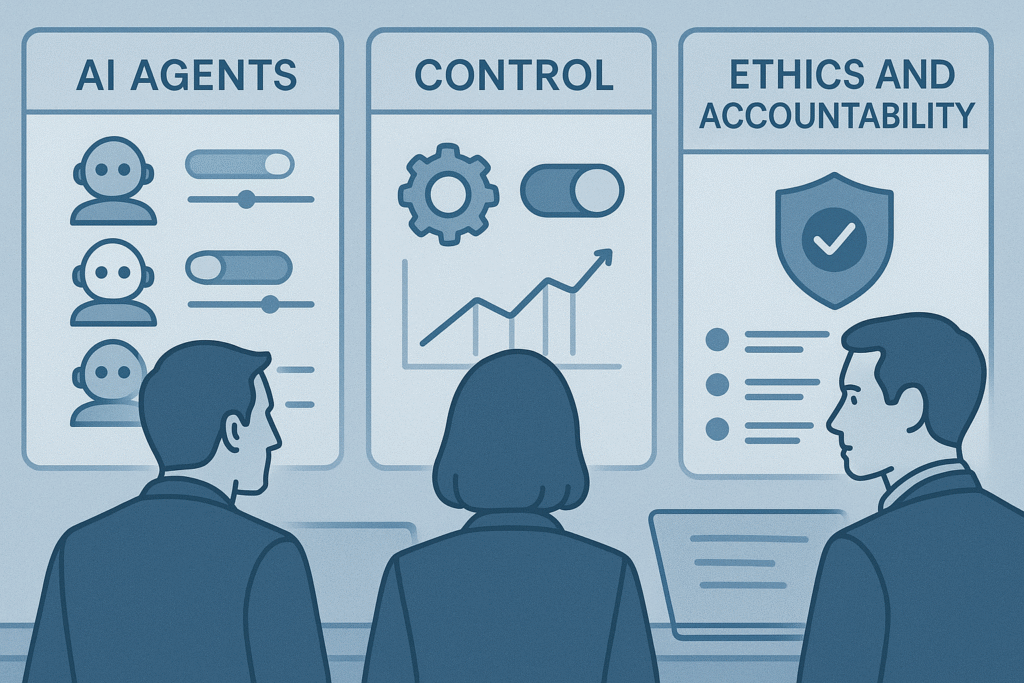
Industry leaders are emphasizing:
- Guardrails, not restrictions
- Oversight, not micromanagement
- Transparency, not black boxes
This aligns with ServiceNow’s governance-first approach and AWS’s structured scaling strategy.
Where Agentic AI Is Being Used Right Now
From my ongoing coverage, these are the most mature real-world deployments:
1. IT Service Management
- Automated incident resolution
- Predictive issue prevention
- Self-healing systems
2. Cybersecurity Operations
- Autonomous threat detection
- Continuous response loops
- Reduced analyst fatigue
3. Cloud & Identity Management
- Dynamic permission allocation
- Non-human identity governance
- Risk-based access control
4. Business Process Automation
- Multi-step workflow execution
- Cross-system orchestration
- Outcome-driven automation
The Risks: Why Agentic AI Needs Oversight
Despite its promise, Agentic AI introduces new risks:
- Unintended actions at scale
- Permission creep
- Reduced human visibility
- Accountability challenges
This is why governance platforms, audit trails, and human-in-the-loop checkpoints are becoming standard requirements—not optional features
What Agentic AI Means for the Future of Work
From my experience covering enterprise tech cycles, Agentic AI is not about replacing teams—it’s about reshaping roles.
Humans will:
- Define goals
- Set boundaries
- Review outcomes
- Handle exceptions
AI agents will:
- Execute repetitive complexity
- Coordinate systems
- Operate continuously
This is a shift from manual execution to strategic oversight.
Final Thoughts: Agentic AI Is the Next Enterprise Platform Shift
What is Agentic AI is no longer a theoretical discussion. As of Dec. 13, 2025, it represents a foundational shift in how enterprises operate.
ServiceNow’s governance-first strategy, AWS’s scalable agent framework, and CrowdStrike’s agentic SOC all point to one conclusion:
Agentic AI is becoming core infrastructure—not just another tool.
The organizations that succeed will be the ones that balance autonomy with accountability.
FAQs: Agentic AI
❓ What is Agentic AI in simple terms?
Agentic AI refers to AI systems that can independently plan and execute actions to achieve goals, rather than just responding to user prompts.
❓ How is Agentic AI different from Generative AI?
Generative AI creates content, while Agentic AI takes actions, coordinates workflows, and operates autonomously in real systems.
❓ Why is governance important for Agentic AI?
Because agentic systems act independently, they require strict controls over permissions, identity, and accountability to prevent security and operational risks.
❓ Which companies are leading Agentic AI development?
ServiceNow, AWS, and CrowdStrike are among the leaders deploying Agentic AI in enterprise IT, cloud, and cybersecurity.
❓ Is Agentic AI safe for enterprises?
Yes—when deployed with proper governance, oversight, and transparency frameworks.