📅 Updated for 2025
Introduction: Why People Ask How ChatGPT Works
Many people use ChatGPT every day, but fewer truly understand how ChatGPT works behind the scenes.
As a tech blogger who has followed artificial intelligence for years, I’ve noticed a pattern: users trust AI more when they understand it. Confusion often leads to unrealistic expectations or unnecessary fear.
This article explains how ChatGPT works in simple language, without technical jargon, marketing hype, or exaggerated claims.
If you’ve ever wondered:
- How does ChatGPT understand questions?
- Does it think like a human?
- Why does it sometimes give wrong answers?
You’re in the right place.
What Is ChatGPT (Quick Context)
Before explaining how it works, it helps to know what it is.
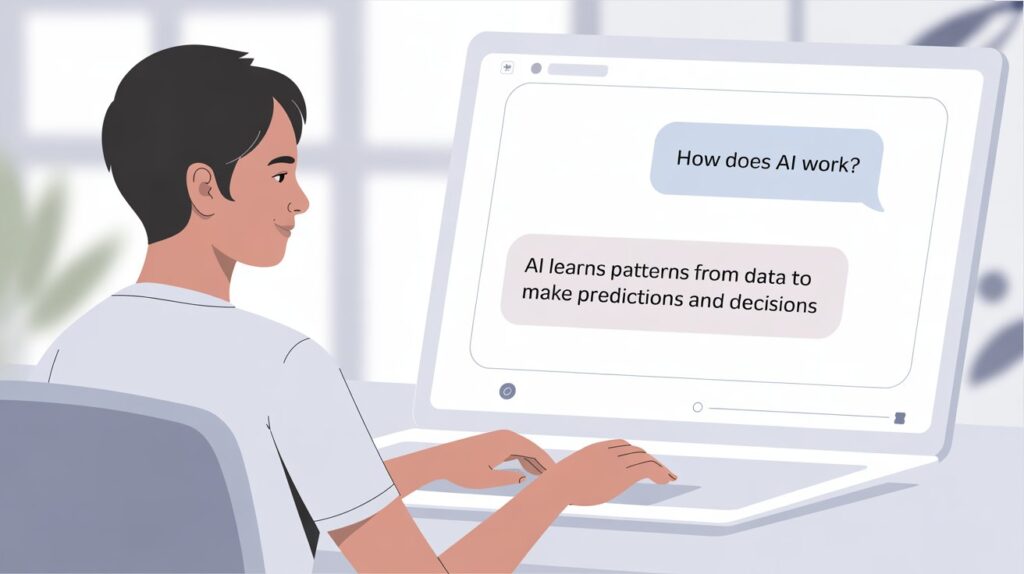
ChatGPT is an AI chatbot designed to understand text input and generate text responses. You interact with it by typing a question or instruction, and it replies in natural language.
The key idea:
👉 ChatGPT predicts text, it does not think.
How ChatGPT Works at a High Level
At a high level, ChatGPT works in three main steps:
- You type a message
- The AI processes the text
- It generates a response word by word
Everything else is built around these steps.
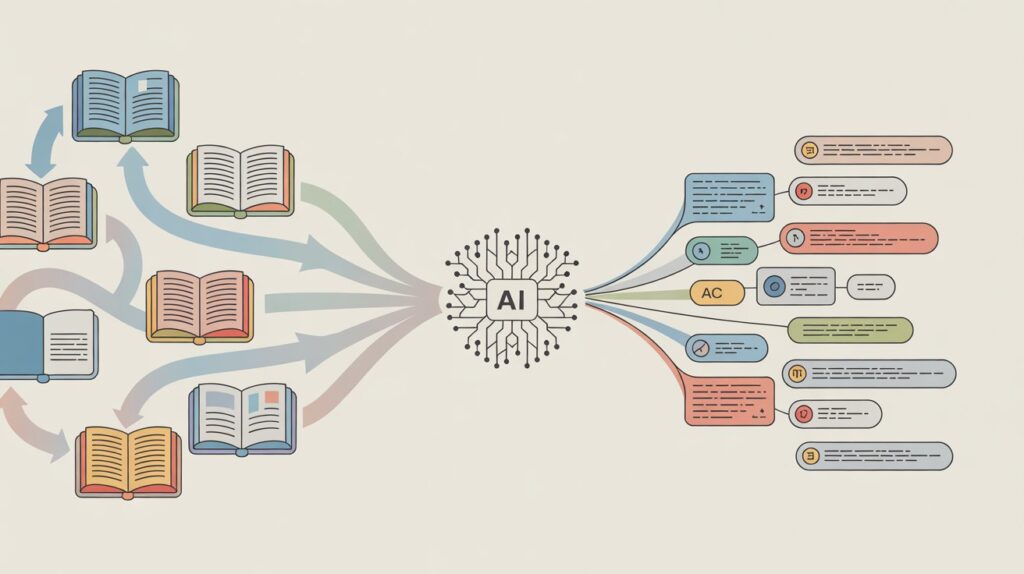
The system does not look up answers like a search engine. Instead, it generates responses based on patterns learned during training.
Step 1: Understanding Your Input (Prompt)
When you type a question, ChatGPT first breaks your message into smaller pieces called tokens.
Tokens can be:
- Words
- Parts of words
- Symbols or punctuation
This allows the model to analyze language structure, grammar, and context.
Why This Matters
Because ChatGPT processes language in tokens, it can:
- Understand context across sentences
- Remember what was said earlier in the conversation
- Respond differently based on how a question is phrased
Step 2: Pattern Recognition, Not Thinking
One of the biggest misunderstandings is that ChatGPT “thinks.”
It doesn’t.
Instead, it uses a large language model trained on vast amounts of text to recognize patterns.
For example:
- If you ask a question, it recognizes the pattern of questions
- If you ask for an explanation, it follows patterns of explanations
- If you ask for code, it switches to programming patterns
This is why answers often sound intelligent, even though no thinking is involved.
Step 3: Predicting the Next Word
This is the core of how ChatGPT works.
For every response:
- The model predicts the most likely next word
- Then predicts the next one after that
- And continues until the response is complete
It chooses words based on:
- Probability
- Context
- Language structure
This happens extremely fast, which is why responses appear instant.
Why ChatGPT Sounds Human
ChatGPT sounds human because:
- It was trained on human-written text
- It learned how humans explain, argue, and clarify
- It imitates tone and structure
But imitation is not understanding.
This difference explains why:
- Answers can sound confident but be incorrect
- The AI can contradict itself
- It sometimes invents details
Training: How ChatGPT Learned Language
ChatGPT was trained using:
- Books
- Articles
- Publicly available text
- Human-reviewed examples
During training:
- The model learned grammar
- It learned facts (to an extent)
- It learned conversational structure
Importantly:
❌ It does not remember personal data
❌ It does not learn from individual conversations in real time
Why ChatGPT Sometimes Gets Things Wrong
If ChatGPT is trained on so much data, why does it make mistakes?
From experience, this is the most important thing users need to understand.
Common Reasons for Errors
- The model predicts a likely answer, not a verified one
- It does not check facts in real time
- It may fill gaps with plausible-sounding text
- Ambiguous questions lead to uncertain answers
This behavior is often called AI hallucination.
Does ChatGPT Understand Meaning?
No — not in the human sense.
ChatGPT:
- Understands patterns
- Recognizes context
- Mimics logic
But it does not:
- Have awareness
- Know truth from falsehood
- Understand consequences
This distinction is critical when using AI responsibly.
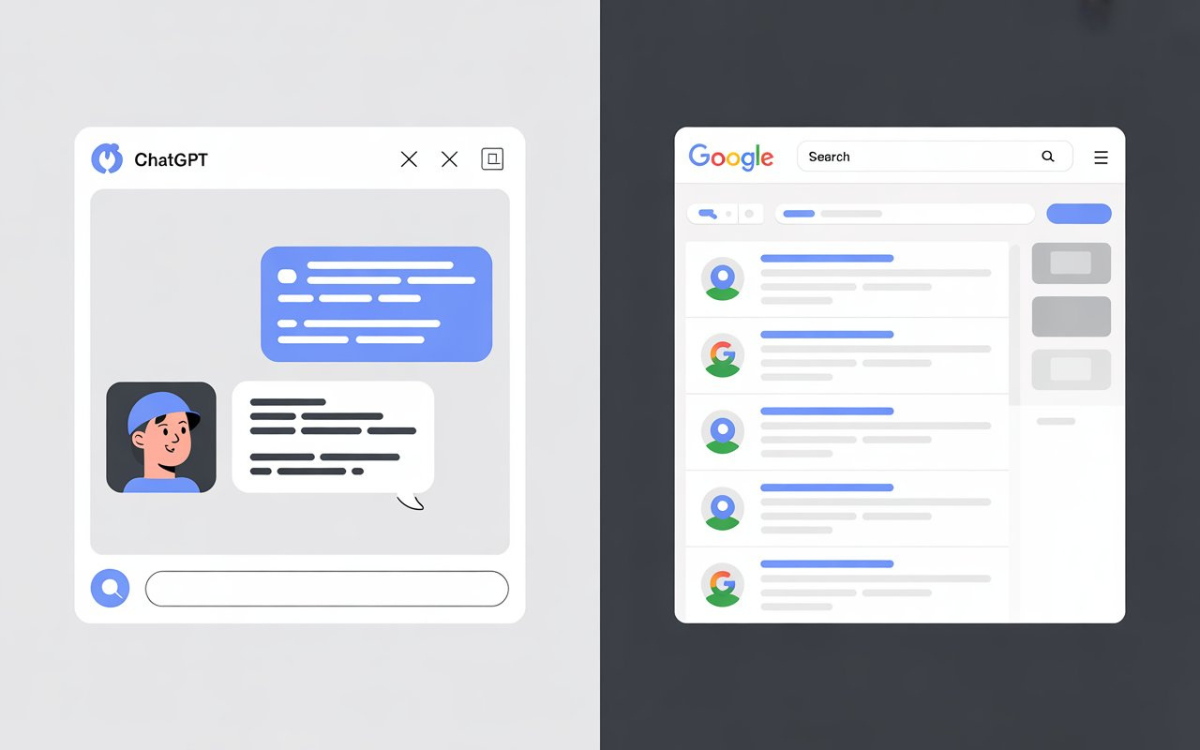
ChatGPT vs Search Engines (How They Differ)
Understanding how ChatGPT works becomes easier when compared to search engines.
| ChatGPT | Search Engines |
|---|---|
| Generates text | Finds existing pages |
| Predicts responses | Ranks links |
| Conversational | Query-based |
| No live browsing | Real-time indexing |
Both tools are useful, but for different purposes.
Why ChatGPT Can Explain Complex Topics Simply
One strength of ChatGPT is simplification.
Because it has seen:
- Beginner explanations
- Advanced explanations
- Educational writing styles
It can adjust responses based on:
- Question tone
- Detail level
- Follow-up prompts
This makes it especially useful for learning.
Is ChatGPT Always Neutral?
ChatGPT aims to be neutral, but:
- Training data contains biases
- Some responses may reflect those patterns
This is why:
- Answers should be reviewed critically
- Important decisions should not rely solely on AI output
How Developers Improve ChatGPT Over Time
ChatGPT improves through:
- Model updates
- Human feedback
- Safety evaluations
- Better training methods
However, each version still has limits.
Progress is gradual, not perfect.
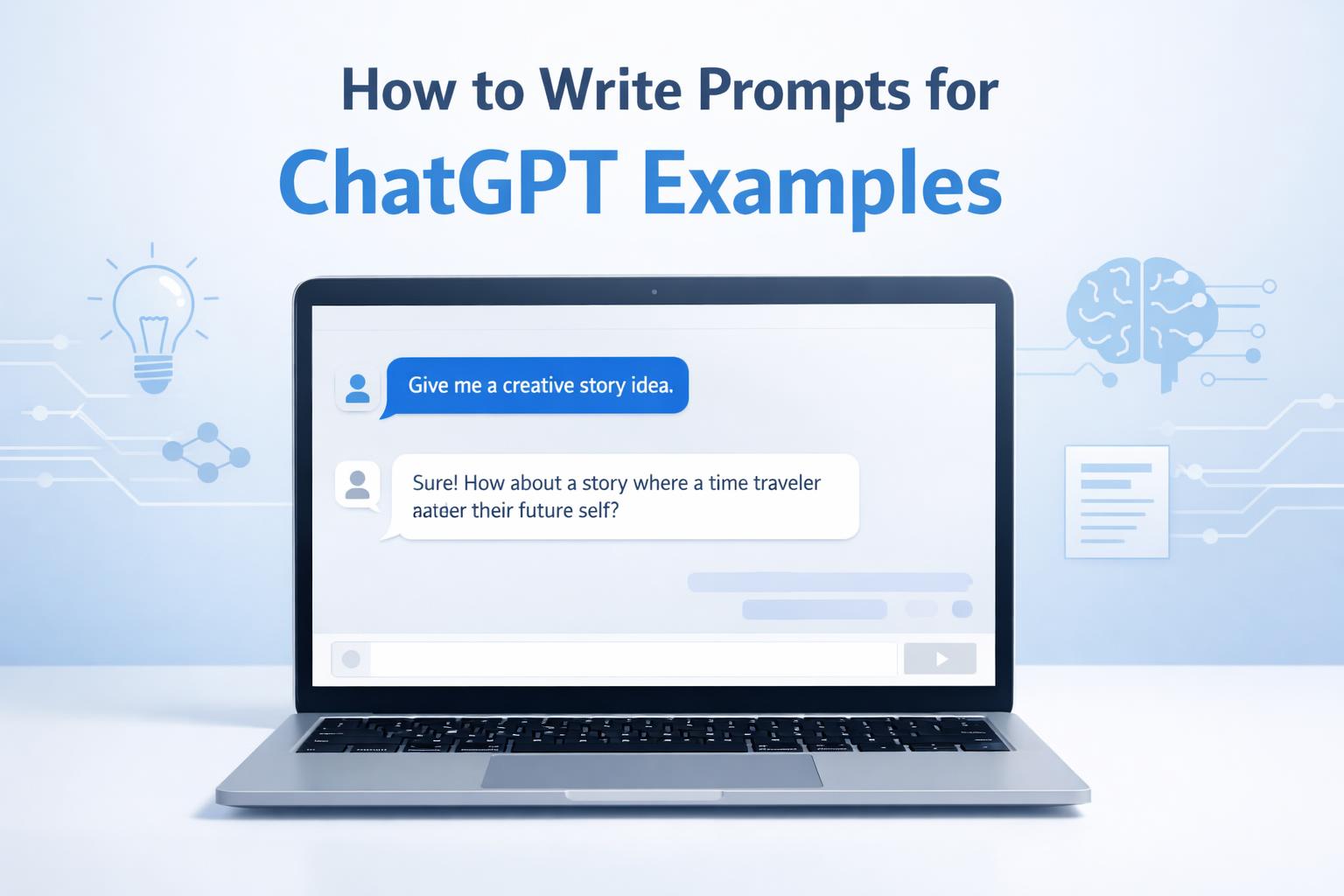
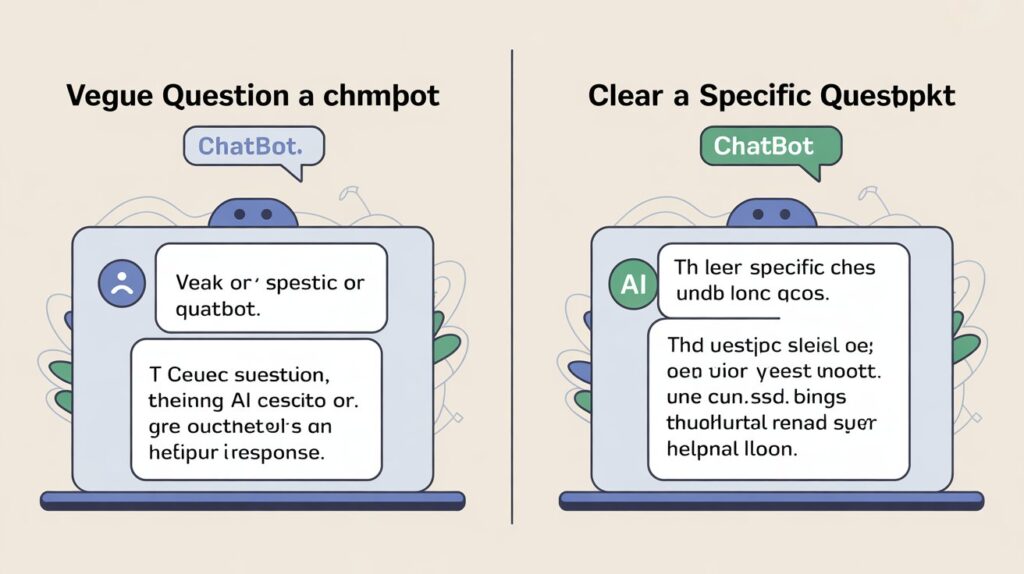
Real-World Example: Why Prompt Quality Matters
From years of using AI tools, I’ve seen this clearly:
Bad prompt → vague answer
Clear prompt → useful answer
How ChatGPT works means:
- It responds to how you ask
- Specific input leads to better output
This is why prompt writing has become a skill.
Let’s clear a few misconceptions:
❌ It understands emotions like humans
❌ It knows current events by default
❌ It remembers past users
❌ It thinks independently
Understanding these myths prevents misuse.
Frequently Asked Questions (FAQ)
How ChatGPT works in simple words?
It predicts text responses based on patterns learned from large amounts of data.
Does ChatGPT think or understand?
No. It generates responses based on probabilities, not understanding.
Why does ChatGPT sound confident even when wrong?
Because it imitates language patterns, not truth verification.
Can ChatGPT learn from me?
No. Individual conversations are not used for live learning.
Is ChatGPT reliable for important decisions?
No. Always verify critical information.
Final Thoughts
Understanding how ChatGPT works removes much of the mystery around AI.
From a long-time tech blogger’s perspective, this tool is best seen as a powerful assistant, not a thinking entity. When users understand its strengths and limits, they use it more effectively and responsibly.
AI works best when humans stay in control.
Sources & References
- OpenAI documentation
- AI research explainers
- Industry analysis on large language models