Galaxy S26 Qi2 magnets face uncertainty just weeks before launch
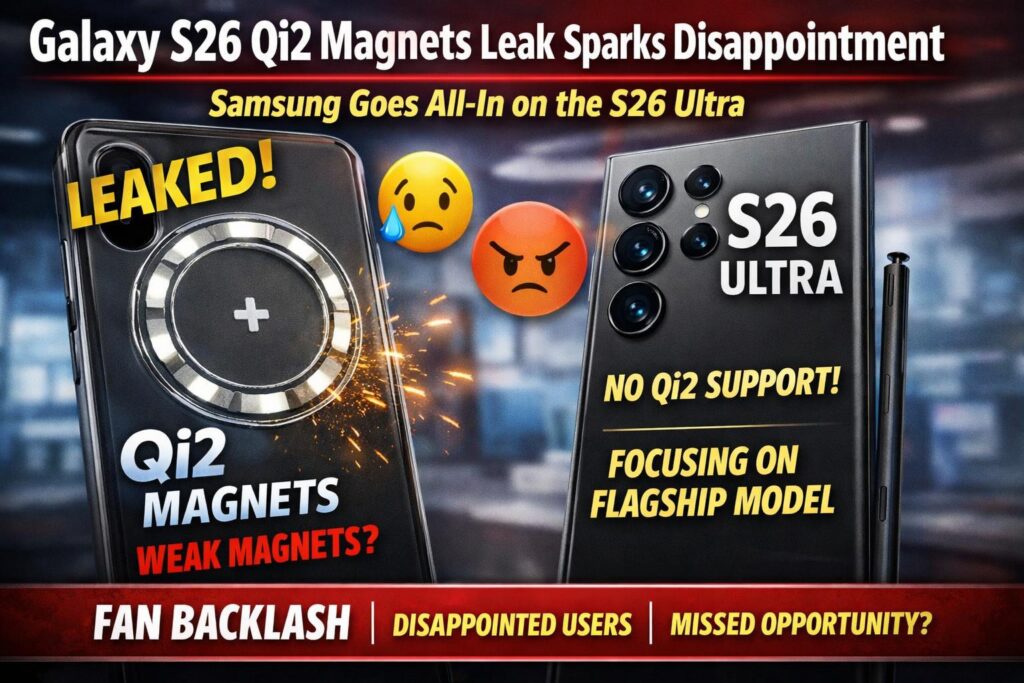
The Galaxy S26 Qi2 magnets story has taken a disappointing turn. A fresh leak suggests that Samsung may once again skip built-in Qi2 magnetic hardware across its upcoming Galaxy S26 lineup.
For months, industry chatter suggested Samsung was finally ready to embrace Qi2 properly — not just in name, but in real-world usability. Built-in magnets would have meant stronger wireless charging alignment, better accessory support, and a smoother daily experience.
Instead, the latest evidence points to a familiar compromise: magnets in cases, not in the phone itself.
For Android users who’ve waited years for this upgrade, the excitement has quickly turned into frustration.
Leaked official cases raise serious red flags
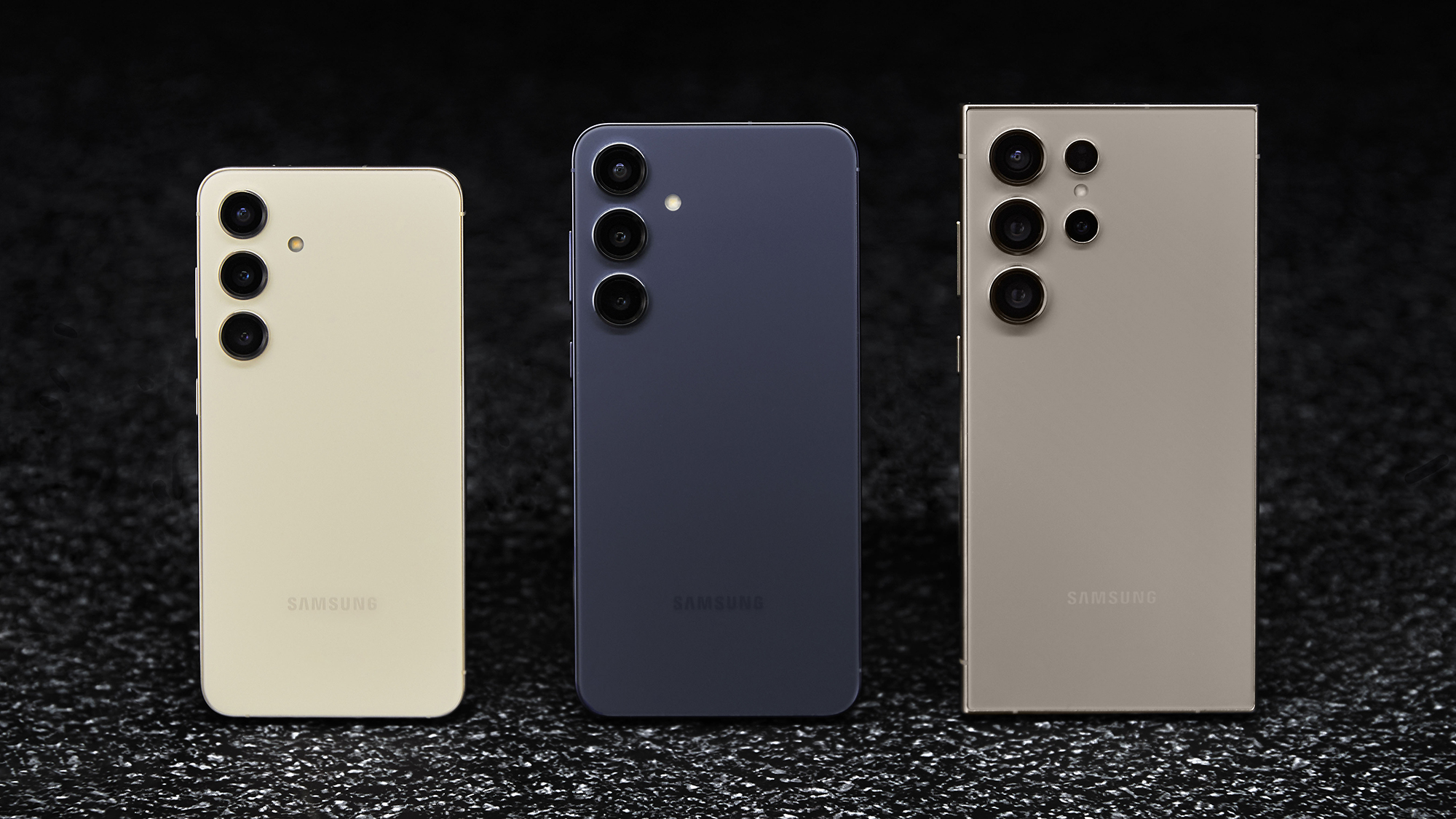
The new concern comes from leaked images of first-party Samsung cases for the Galaxy S26 lineup. On the surface, the cases look standard — until you notice one critical detail.
Samsung appears to be preparing both magnetic and non-magnetic official cases.
That distinction matters a lot.
Phones with native Qi2 magnets rely on magnetic cases to maintain accessory strength once a case is installed. Because of this, brands that truly support Qi2 usually ensure all official cases include magnets.
The presence of non-magnetic first-party cases strongly suggests the Galaxy S26 phones themselves do not contain internal Qi2 magnets. If magnets were inside the phones, offering non-magnetic cases would undermine the entire system.
In short: the case leak likely confirms what fans feared.
Why this leak hits harder than earlier rumors
Earlier Galaxy S26 reports painted a very different picture. Leaks mentioned:
- A Qi2-compatible magnetic battery pack
- A MagSafe-style wireless charging puck
- Faster wireless charging aligned with new Qi2 standards
Together, these details suggested Samsung was finally going “all-in” on Qi2.
The case leak changes that narrative completely. Industry observers now believe Samsung may have scrapped internal magnets late in development, possibly due to internal space constraints, added costs, or strategic reconsideration after Apple’s iPhone 17 plans became clearer.
Whatever the reason, the shift feels abrupt — and noticeable.
Qi2 is no longer optional — rivals are moving ahead


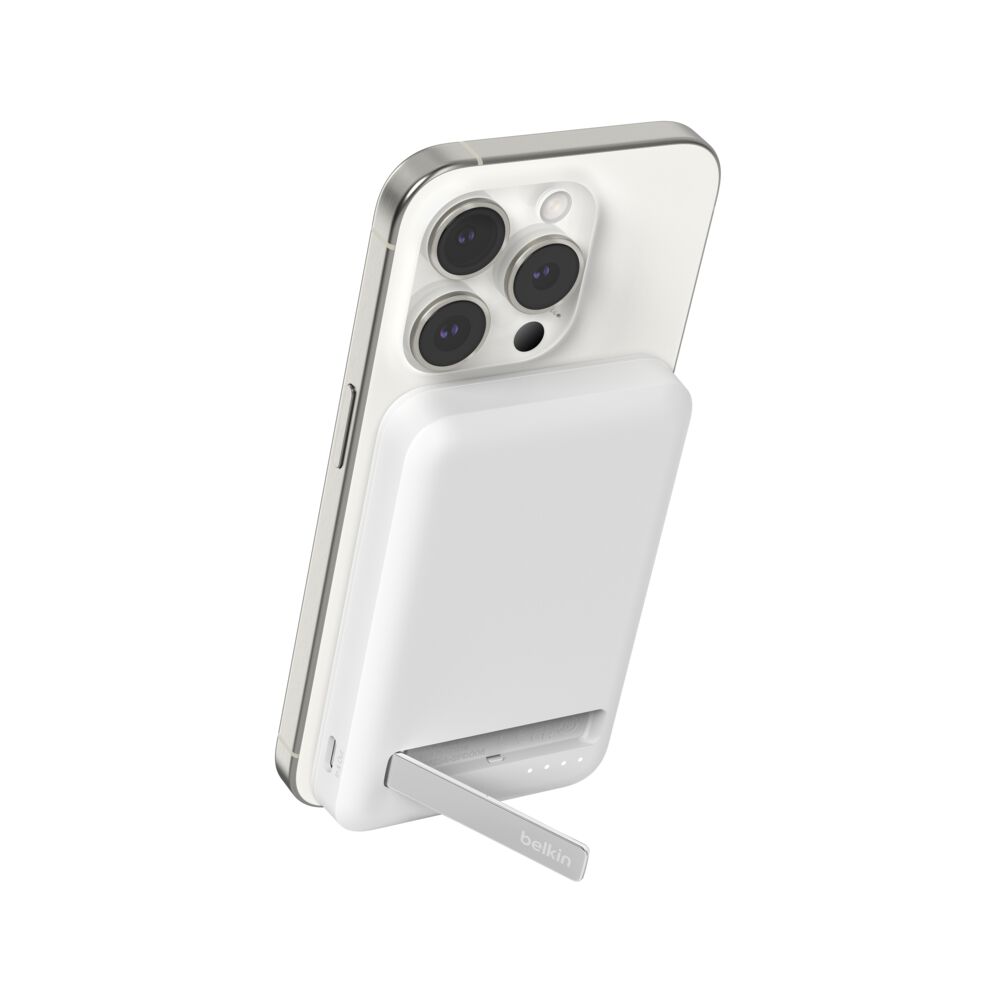
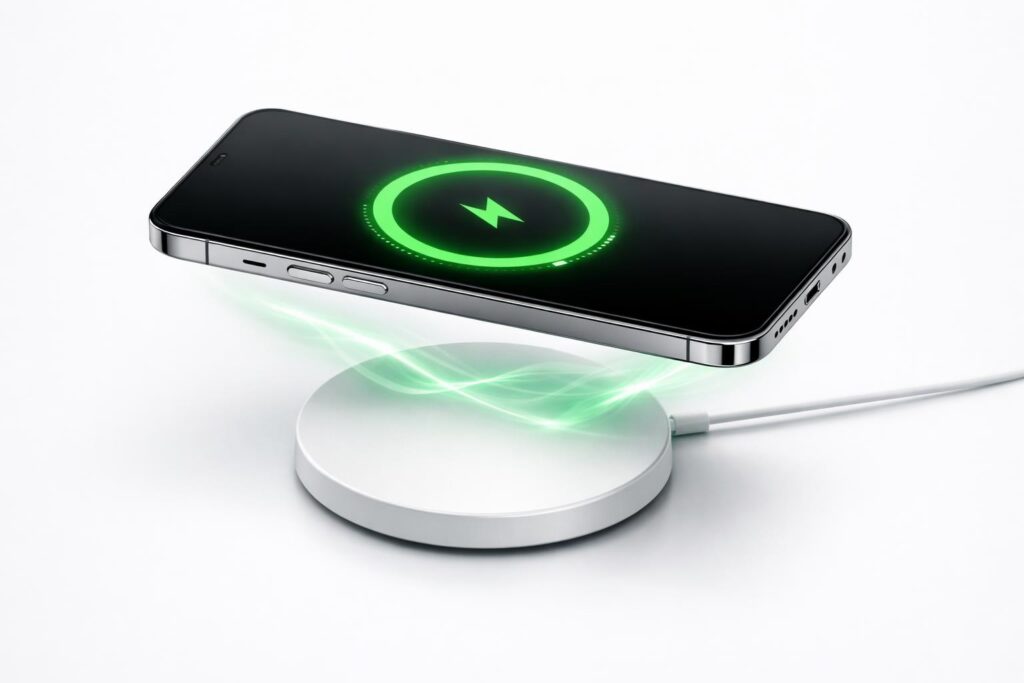
Qi2 is no longer experimental. It’s an open standard from the Wireless Power Consortium, designed to improve wireless charging efficiency through magnetic alignment.
Apple normalized this experience years ago. More recently, Google became the first major Android brand to ship native Qi2 magnets, and reviewers consistently highlight magnetic charging as one of the most satisfying everyday features.
Against that backdrop, Samsung skipping built-in Qi2 magnets yet again makes the Galaxy S26 lineup feel slightly behind — especially for users who rely on magnetic mounts, wallets, and snap-on battery packs.
Samsung still “supports” Qi2 — but only with accessories
To be fair, Samsung isn’t abandoning Qi2 entirely.
The company continues to support Qi2 through accessories and specific magnetic cases. The issue is how conditional that support becomes:
- Go caseless → no magnetic experience
- Switch cases → compatibility becomes uncertain
- Buy third-party accessories → results vary
This approach delivers a weaker and less intuitive experience than phones with native magnets. As Qi2 adoption grows, that gap becomes harder to ignore.
Galaxy S26 Ultra dominates Samsung’s 2026 strategy
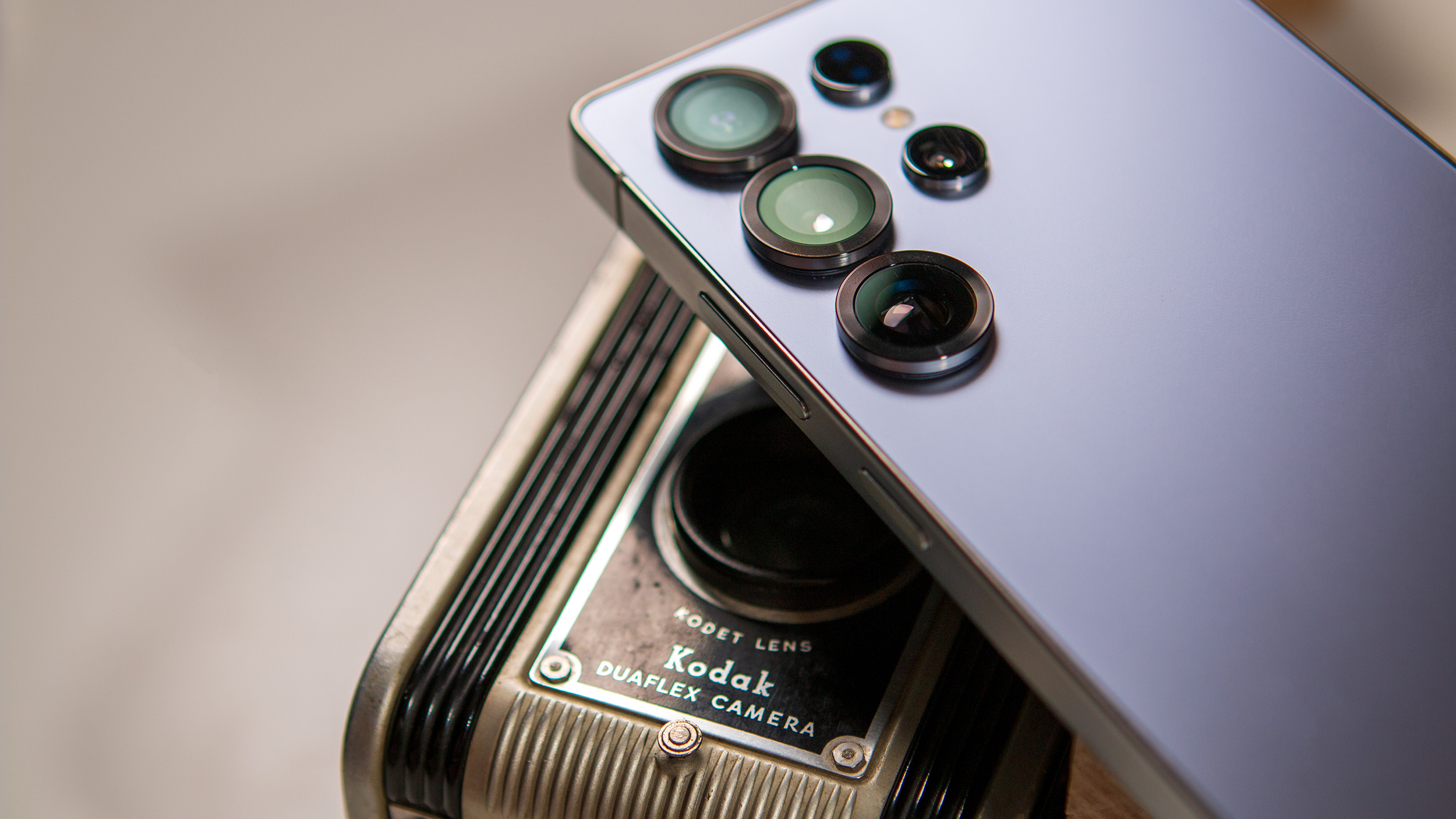

While Galaxy S26 Qi2 magnets dominate the disappointment narrative, Samsung appears extremely confident in one model: the Galaxy S26 Ultra.
According to leaked production data shared by tipster Ice Universe and reported by Android Police, Samsung is heavily prioritizing the Ultra variant at launch:
- Galaxy S26 Ultra: ~3.6 million units
- Galaxy S26 & S26 Plus combined: ~1.3 million units
These aren’t sales numbers — they reflect Samsung’s expectations for early demand. Still, the imbalance makes its strategy clear.
Why the Ultra keeps stealing the spotlight
The Ultra model consistently attracts buyers who want zero compromise. Historically, it delivers:
- Samsung’s most advanced camera system
- The largest and brightest AMOLED display
- Maximum performance, storage, and features
That formula works — and Samsung clearly expects it to work again in 2026, even without native Qi2 magnets.
Will missing Galaxy S26 Qi2 magnets hurt Ultra sales?
Probably not — at least not significantly.
Ultra buyers typically prioritize cameras, display quality, and raw performance over accessory convenience. While built-in Qi2 magnets would be a welcome upgrade, their absence alone is unlikely to change many purchase decisions.
For the base and Plus models, however, the impact could be more noticeable. Those phones rely more on comfort features and ecosystem appeal to stand out.
A calculated gamble by Samsung
Samsung’s approach feels deliberate. By doubling down on the Galaxy S26 Ultra, the company may be willing to accept criticism from enthusiasts while trusting mainstream buyers to carry sales.
From a business perspective, the gamble makes sense. From a user-experience standpoint, it feels like a missed opportunity.
Qi2 magnets are practical, proven, and genuinely enjoyable once users experience them. Skipping them again risks making Samsung appear hesitant in a market that increasingly rewards refinement over raw specs.
What buyers should expect next
If the leaks prove accurate, the Galaxy S26 lineup will likely offer:
- Qi2 wireless charging speeds without built-in magnets
- Magnetic accessories that depend on compatible cases
- Heavy marketing and supply focus on the Galaxy S26 Ultra
Samsung could still surprise everyone before launch. For now, the signs point to another year of “almost, but not quite.”
Bottom line
The Galaxy S26 Qi2 magnets leak exposes a growing tension in Samsung’s flagship philosophy. While competitors push magnetic charging forward as a standard feature, Samsung continues to hesitate — even as it confidently bets on the dominance of the Galaxy S26 Ultra.
The Ultra will almost certainly succeed.
It just may do so without the satisfying magnetic snap many Android users hoped would finally arrive in 2026.