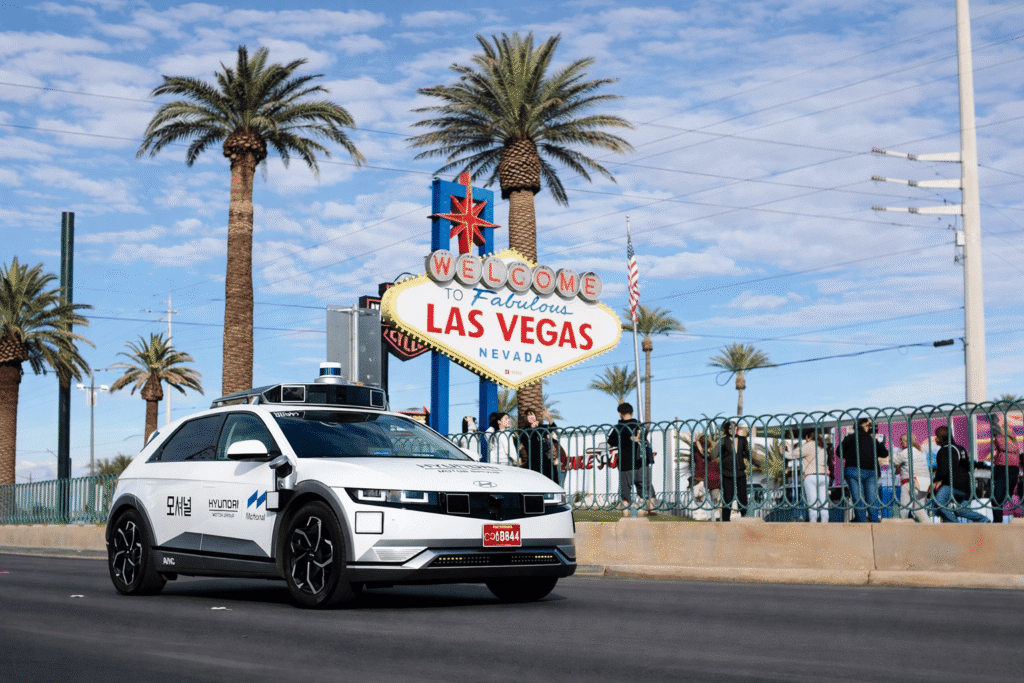
Motional robotaxis have officially joined the Uber app in Las Vegas, marking a significant comeback for the Hyundai-backed autonomous vehicle company. After facing serious setbacks and restructuring over the past two years, Motional is once again deploying self-driving vehicles for real-world rides.
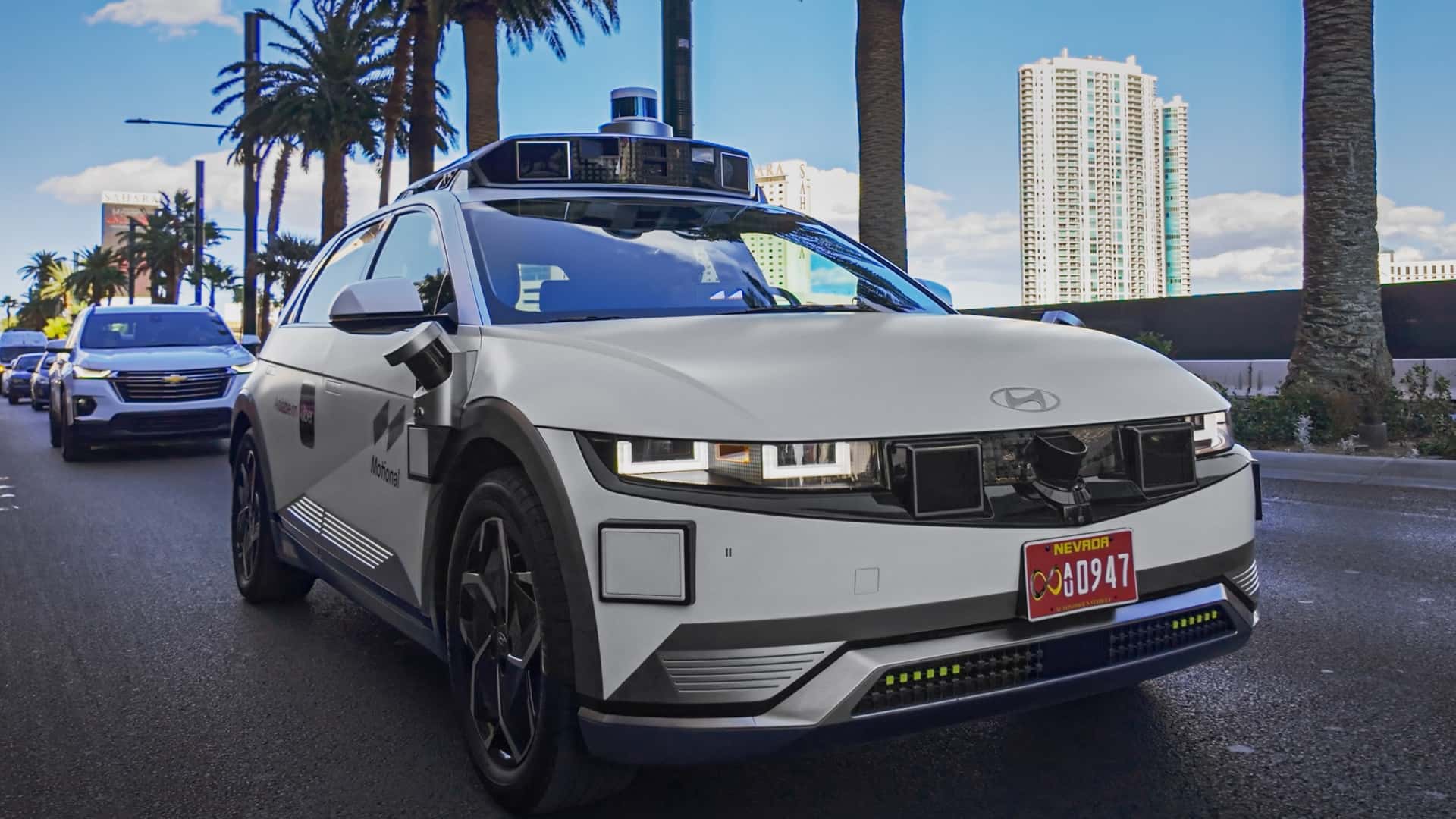
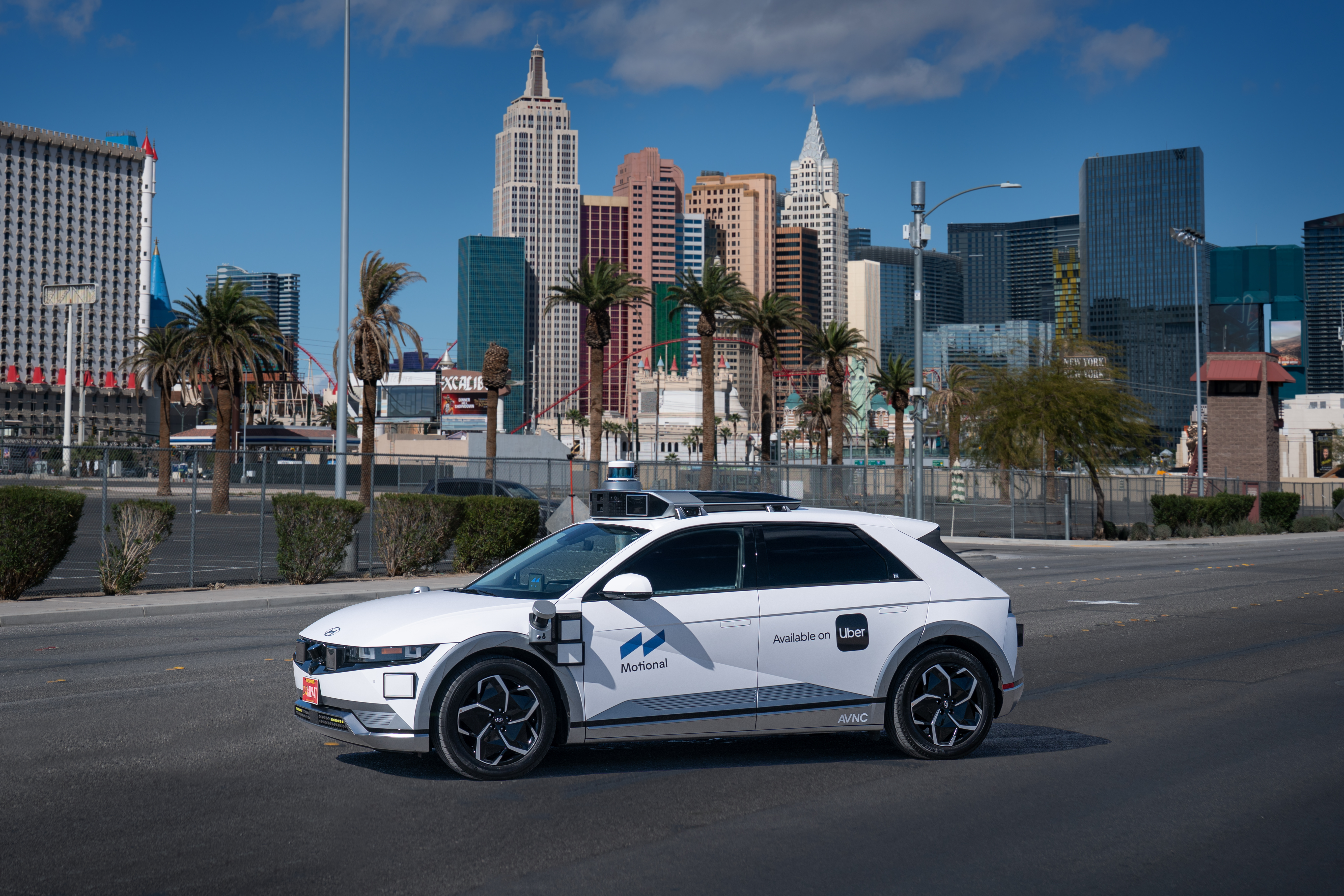
The company’s autonomous version of the Hyundai Ioniq 5 can now be hailed through the Uber app in several areas across Las Vegas. For now, each robotaxi includes a safety monitor inside the vehicle. However, the companies expect to transition toward a fully driverless service by the end of 2026.
The launch reflects both the rapid growth of robotaxi networks and the growing partnerships between ride-hailing platforms and autonomous vehicle companies.
For Motional, the deployment also represents something else: a fresh start after a difficult period that forced the company to rethink its strategy.
Motional Robotaxis Begin Operating on the Las Vegas Strip
The rollout of Motional robotaxis begins with service in several key locations across Las Vegas.
Starting Friday, riders can be matched with Motional’s autonomous Hyundai Ioniq 5 vehicles for trips in designated pickup and drop-off areas. These locations include major attractions along the Las Vegas Strip.
Initial operating zones include:
- Resorts World hotel casino
- Encore hotel casino
- Westgate near the Las Vegas Convention Center
- Town Square shopping center near the airport
- Downtown Las Vegas curbside areas
These locations offer a mix of tourist traffic, shopping districts, and convention activity, making them ideal testing grounds for robotaxi services.
However, riders cannot directly request a robotaxi ride. Instead, the Uber app automatically assigns one when available.
Users who want to increase their chances of getting a self-driving ride can enable autonomous vehicle pickup within the Uber app settings.
Hyundai’s Ioniq 5 Powers the Motional Robotaxi Fleet
The vehicles used in the new Motional robotaxi service are modified versions of the Hyundai Ioniq 5 electric SUV.
The Ioniq 5 has become a popular base platform for autonomous vehicle technology due to its electric powertrain, spacious interior, and advanced electronics.
Motional integrates its self-driving hardware and software directly into the vehicle. This system includes sensors, cameras, radar, and artificial intelligence software that allows the car to detect surroundings and make driving decisions.
For now, the robotaxis still include a safety operator in the vehicle. The monitor can take control if necessary while the system continues collecting real-world driving data.
Uber and Motional expect to remove the safety driver once the system reaches full reliability.
The companies say a fully driverless version could arrive in Las Vegas before the end of this year.
Motional’s Difficult Road to Recovery
The arrival of Motional robotaxis on the Uber platform comes after a turbulent period for the company.
Motional was originally created as a joint venture between Hyundai and automotive technology company Aptiv. The partnership aimed to develop autonomous vehicles and deploy robotaxi fleets globally.
However, the company fell behind its initial goal of launching a robotaxi service with Lyft.
Two years ago, Aptiv decided to stop funding the venture, forcing Hyundai to decide whether to continue supporting the company.
Hyundai ultimately chose to keep Motional alive.
The company invested an additional $1 billion and reorganized the entire operation. That restructuring included laying off roughly 40% of the workforce and revising the development strategy for its autonomous systems.
While painful, the move allowed Motional to refocus its technology roadmap.
A Strategic Pivot Toward AI and Neural Networks
After restructuring, Motional made a significant technical shift.
The company moved toward a development approach that relies more heavily on neural networks and artificial intelligence.
According to Motional CEO Laura Major, the team realized that traditional rule-based autonomous driving systems struggled to scale globally.
Instead, modern AI-driven approaches allow self-driving systems to learn patterns from vast amounts of data.
During a presentation at the Consumer Electronics Show (CES) 2026 in Las Vegas, Major explained the reasoning behind the pivot.
She said the company paused its commercial rollout temporarily so it could rebuild its technology foundation and create a system capable of scaling more efficiently.
In her words, the company slowed down in the short term in order to move faster in the future.
Early demonstration rides at CES suggested the strategy may be working.
Uber Expands Its Robotaxi Network
For Uber, adding Motional robotaxis represents another step in a much larger strategy.
The ride-hailing giant has spent the last two years building a massive global network of autonomous vehicle partners.
Uber currently collaborates with more than 25 autonomous vehicle companies worldwide.
Instead of developing its own robotaxi technology, Uber focuses on providing the platform that connects self-driving vehicles with passengers.
The company believes this partnership-based approach allows faster expansion into multiple markets.
The Motional launch fits directly into that plan.
A Busy Week for Uber’s Autonomous Partnerships
Interestingly, the Motional announcement arrived during a busy week for Uber’s robotaxi strategy.
The company revealed several additional partnerships aimed at expanding autonomous rides across different regions.
For example:
- Uber plans to deploy self-driving Nissan Leaf vehicles in Tokyo, powered by the UK-based autonomous driving startup Wayve.
- The company also announced plans to integrate Zoox robotaxis in Las Vegas later this year.
Zoox, which is owned by Amazon, builds fully autonomous vehicles designed specifically for ride-hailing services.
By combining multiple partners, Uber aims to create a global network of autonomous transportation services.
Why Las Vegas Is a Popular Robotaxi Testing Ground
Las Vegas has become one of the most popular cities for autonomous vehicle testing.
Several factors make the city attractive for robotaxi deployments.
First, the city has wide roads and relatively predictable traffic patterns, especially around the Las Vegas Strip.
Second, the constant flow of tourists creates steady demand for ride-hailing services.
Finally, Nevada has developed regulatory frameworks that support autonomous vehicle testing.
Because of these factors, many companies choose Las Vegas as a starting point for commercial robotaxi services.
Motional itself has been testing vehicles in the city for years. Before the public launch, the company operated a robotaxi service for its own employees.
What the Future Holds for Motional Robotaxis
The current rollout of Motional robotaxis represents only the first stage of the company’s comeback.
Uber and Motional plan to expand the service area over time. However, the companies have not yet revealed details about additional locations.
If the Las Vegas deployment succeeds, Motional could launch robotaxi operations in other cities through partnerships with both Uber and Lyft.
The company has previously hinted at multi-city deployments once its autonomous system reaches full maturity.
For now, the focus remains on improving the technology and proving its reliability.
The Bigger Picture for Autonomous Transportation
The arrival of Motional robotaxis highlights the growing momentum behind autonomous transportation.
Technology companies, automakers, and ride-hailing platforms all see robotaxis as a potential future for urban mobility.
Fully autonomous ride services could eventually reduce transportation costs, improve accessibility, and operate around the clock.
However, the technology still faces challenges.
Safety validation, regulatory approval, and public trust remain critical hurdles.
Even so, partnerships like the one between Uber and Motional show that the industry continues moving forward.
And if the Las Vegas rollout succeeds, the future of transportation may look increasingly driverless.
Sources
- TechCrunch – Motional robotaxis join Uber in Las Vegas
- CES 2026 presentations from Motional CEO Laura Major
- Hyundai and Motional company announcements on autonomous vehicles
- Uber partnership announcements on robotaxi network expansion