
Introduction: ChatGPT Health Changes How We Understand Medical Data
ChatGPT Health is the newest step by OpenAI to make health information clearer, safer, and more useful for everyday users. Medical reports often confuse people. Lab values look intimidating. Fitness data feels scattered across apps. OpenAI now wants to fix this gap with a dedicated health-focused experience inside ChatGPT.
The company recently announced ChatGPT Health, a feature designed to explain medical reports, support wellness conversations, and connect trusted fitness apps like Apple Health and MyFitnessPal. The goal stays simple: help people understand their own health better—before they meet a doctor, not instead of one.
Let’s explore what ChatGPT Health offers, how it works, where it’s available, and why OpenAI believes this feature matters now.
What Is ChatGPT Health?
ChatGPT Health is a dedicated health space inside ChatGPT where users can ask medical and wellness-related questions in a more structured and secure environment. Unlike regular chats, this space focuses only on healthcare conversations.
OpenAI built this feature with guidance from medical professionals. The company aims to improve health literacy while keeping data privacy at the center.
Key idea: clearer understanding, not diagnosis.
Why OpenAI Launched ChatGPT Health Now
OpenAI shared an important insight in its official blog. Every week, around 23 crore (230 million) people ask health and wellness questions on ChatGPT worldwide.
That number highlights a reality:
People already rely on AI to understand symptoms, reports, and fitness routines.
Instead of letting these conversations happen in a general space, OpenAI created a focused, safer environment designed specifically for healthcare discussions.
Designed With Doctors, Not Just Engineers
OpenAI states that doctors and healthcare experts helped design ChatGPT Health. Their involvement shaped how the AI responds, what it avoids, and how it explains complex information.
This collaboration improves:
- Medical language clarity
- Risk awareness
- Responsible response boundaries
The feature supports informed conversations, not medical decisions.
Understanding Medical Test Reports Made Simple
Medical reports often include:
- Technical terms
- Reference ranges
- Abbreviations
ChatGPT Health helps users:
- Break down lab values into plain English
- Understand what “normal range” means
- Prepare smarter questions for doctors
Instead of panicking over numbers, users gain context.
A little humor helps too. Blood reports shouldn’t feel like surprise math exams.
Integration With Fitness and Wellness Apps
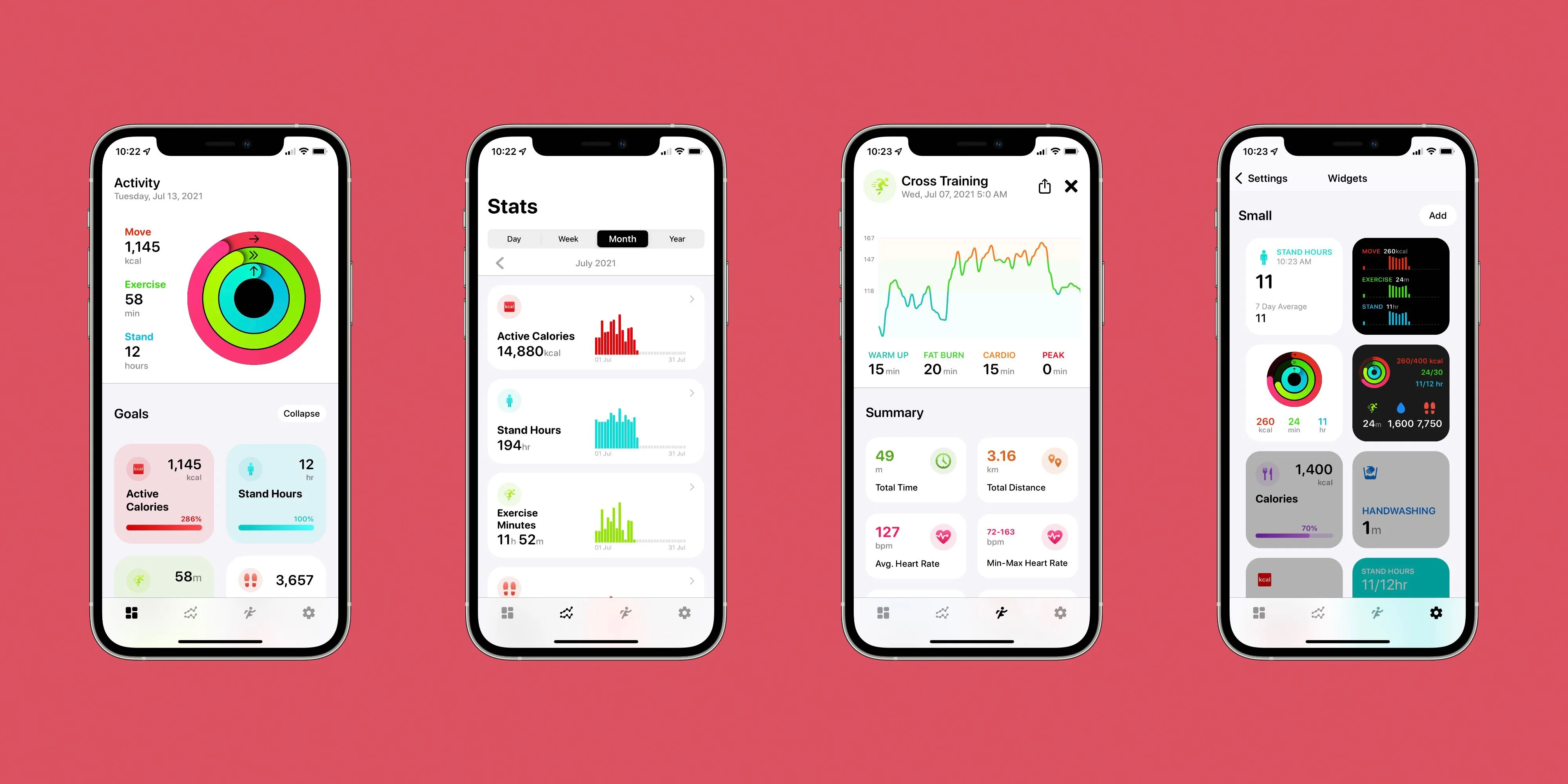

One of the most practical features of ChatGPT Health is app integration.
Users can securely connect wellness platforms such as:
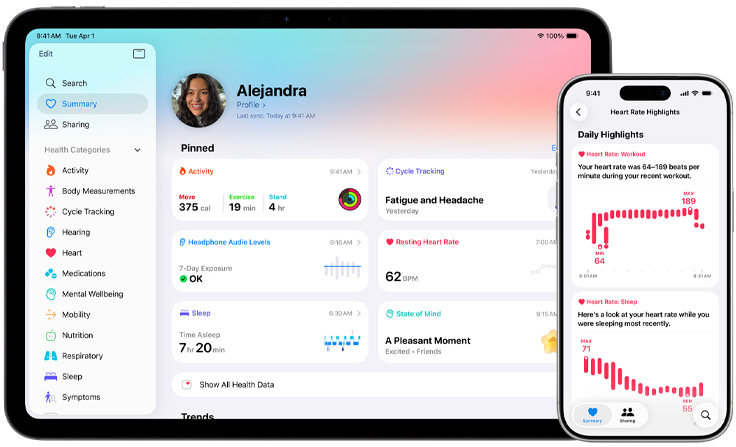
- Apple Health
- MyFitnessPal
These connections allow ChatGPT Health to:
- Understand activity levels
- Review diet patterns
- Analyze sleep and workout routines
The system uses this context to explain trends—not to judge them.
Personalized Lifestyle Guidance
Based on connected data, ChatGPT Health can:
- Discuss workout consistency
- Explain calorie intake trends
- Suggest balanced routines
The tone stays supportive, not preachy.
It doesn’t shout, “Do more cardio!”
It asks, “Want to understand how your routine affects energy levels?”
That difference matters.
Health Insurance Conversations in One Place
ChatGPT Health also supports insurance-related discussions.
Users can:
- Understand policy terms
- Compare basic benefits
- Ask about coverage concepts
This feature helps users read insurance documents without feeling lost in legal language.
Clear explanations reduce stress. That’s good health too.
Strong Focus on Data Privacy and Security
Health data is sensitive. OpenAI knows this.
The company clearly states:
- Health chats stay encrypted
- Conversations remain compartmentalized
- Data from ChatGPT Health does not train AI models
Users also control their data. They can delete health chats anytime.
Privacy is not a feature here. It’s a foundation.
Separate Memory for Health Chats
ChatGPT Health keeps health conversations separate from general chat history.
This design:
- Reduces accidental data mixing
- Limits exposure of sensitive information
- Improves user trust
Health discussions deserve their own locked room, not a shared hallway.
Custom Instructions for Safer Conversations
Users can set custom instructions inside ChatGPT Health.
These instructions tell ChatGPT:
- Topics to avoid
- Tone preferences
- Sensitivity boundaries
This feature empowers users to guide conversations responsibly.
Availability: Who Can Use ChatGPT Health Right Now?
Currently:
- OpenAI has opened a waitlist
- Early access works as a pilot program
- Medical record integration is limited to US users
Once approved, ChatGPT Health appears as a separate section in the ChatGPT sidebar.
OpenAI plans broader availability after testing.
What ChatGPT Health Does Not Do
ChatGPT Health does not:
- Diagnose diseases
- Replace doctors
- Prescribe medicines
OpenAI clearly positions this feature as a support tool.
Think of it as:
A health translator, not a medical authority.
The Human Side of AI Healthcare
People often feel nervous before doctor appointments. Reports look scary. Questions vanish under pressure.
ChatGPT Health helps users:
- Organize thoughts
- Understand reports calmly
- Ask better questions
That preparation improves doctor-patient conversations.
Better conversations lead to better care.
OpenAI: A Brief Background
Sam Altman and others founded OpenAI in 2015 along with Elon Musk and several technology leaders.
The company focuses on:
- Generative AI
- Large language models
- Human-centered AI development
OpenAI operates from San Francisco, California, with a mission to develop safe and beneficial AI systems.
ChatGPT Health reflects that mission in action.
Why ChatGPT Health Builds Long-Term Trust
Trust matters deeply in healthcare technology.
ChatGPT Health builds trust by:
- Using expert input
- Avoiding exaggerated claims
- Offering transparent data policies
- Supporting—not replacing—medical professionals
That balance sets it apart from random health advice platforms.
The Bigger Picture: AI and Healthcare Literacy
Healthcare literacy remains a global challenge. Many people receive reports but don’t fully understand them.
ChatGPT Health addresses this gap by:
- Translating complexity into clarity
- Encouraging informed discussions
- Reducing unnecessary anxiety
AI works best when it explains—not overwhelms.
Final Thoughts: ChatGPT Health Is a Step Forward
ChatGPT Health shows how AI can support healthcare responsibly. It explains. It guides. It respects boundaries.
By combining:
- Medical expertise
- Secure data handling
- Smart app integration
OpenAI creates a tool that helps users feel more confident about their health.
Not smarter than doctors.
Just smarter conversations.
Pingback: Tesla Fourth Showroom in Bengaluru: Tesla India Expands After Delhi, Mumbai, and Gurugram 2026 - Tech Nexa