
Introduction
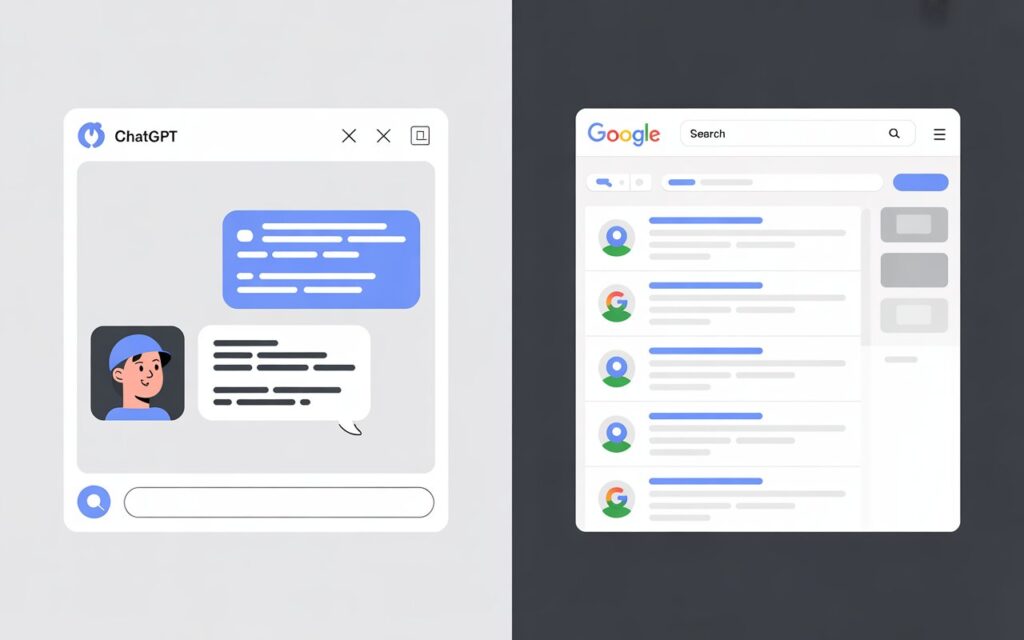
ChatGPT vs Google Search is a comparison more are making today than ever before.
As someone who has used Google Search professionally for over a decade—and has closely followed the rise of AI tools—I can confidently say this is not a simple “winner vs loser” debate. These two tools work in very different ways, even though they both aim to help users find information.
Understanding how each one works, where they shine, and where they fall short is essential if you want accurate answers, faster research, and better productivity.
This article breaks down the comparison in simple language, with real-world usage experience, not hype.
What Is ChatGPT?
ChatGPT is an AI-powered conversational chatbot developed by OpenAI. It responds to questions in natural language, much like a human conversation.
Instead of showing links, ChatGPT generates answers directly based on patterns learned from large amounts of text during training.
Key Characteristics of ChatGPT
- Conversational responses
- Explains topics step by step
- Remembers context within a conversation
- Generates text, not links
What Is Google Search?
Google Search is a search engine that indexes billions of web pages and returns the most relevant results based on your query.
Rather than answering directly, Google shows:
- Links
- Snippets
- News results
- Images and videos
Users must evaluate sources themselves.
Key Characteristics of Google Search
- Real-time information
- Source-based results
- High accuracy for current events
- Requires user judgment
How ChatGPT and Google Search Work Differently
Understanding the core difference explains everything else.
ChatGPT:
- Predicts the most likely text response
- Does not browse the web in real time
- Focuses on explanation and clarity
Google Search:
- Crawls and indexes websites
- Ranks results based on relevance and authority
- Reflects real-time updates
This is why ChatGPT feels like a teacher, while Google Search feels like a library.
Accuracy: Which One Is More Reliable?
From years of testing both tools, here’s the reality:
Google Search Accuracy
- Extremely reliable for:
- News
- Current events
- Official announcements
- Depends on source quality
ChatGPT Accuracy
- Excellent for:
- Concepts
- Explanations
- Learning support
- Can confidently give incorrect answers
👉 For facts that matter, Google Search wins.
Speed and Convenience
This is where ChatGPT often feels superior.
ChatGPT
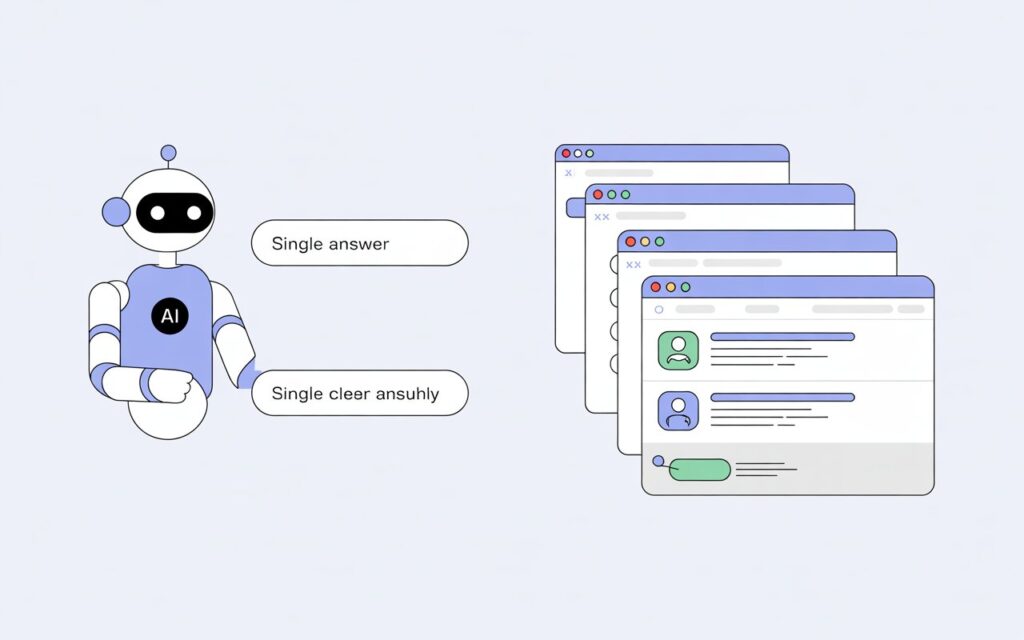
- One clear answer
- No ads
- No link hopping
- Faster understanding
Google Search
- Requires opening multiple links
- Ads often appear first
- More time-consuming
👉 For quick understanding, ChatGPT wins.
Learning and Education Use Case
As someone who writes educational tech content, this difference is obvious.
ChatGPT Is Better For:
- Explaining topics simply
- Step-by-step learning
- Beginners
Google Search Is Better For:
- Academic research
- Verified sources
- Citations
Many students now use both together
Real-Time Information and News
This is a critical limitation.
Google Search:
- Indexes live websites
- Updates constantly
- Best for breaking news
ChatGPT:
- Knowledge cutoff applies
- May not reflect latest events
👉 For current information, Google Search is essential.
Content Creation and Productivity
Here ChatGPT clearly stands out.
ChatGPT Helps With:
- Writing drafts
- Brainstorming ideas
- Summarizing content
- Improving clarity
Google Search does not create content—it only helps you find it.
Trust and Source Transparency
Google Search:
- Shows where information comes from
- Allows source comparison
ChatGPT:
- Does not show sources by default
- Requires verification
From a professional standpoint, source transparency matters.
When Should You Use ChatGPT?
Use ChatGPT when you need:
- Simple explanations
- Quick summaries
- Learning assistance
- Writing support
It works best as a thinking assistant, not a fact checker.
When Should You Use Google Search?
Use Google Search when you need:
- Latest information
- Official sources
- Product reviews
- Medical, legal, or financial info
For credibility, Google remains unmatched.
ChatGPT vs Google Search: Quick Comparison Table
| Feature | ChatGPT | Google Search |
|---|---|---|
| Conversational | ✅ | ❌ |
| Real-time data | ❌ | ✅ |
| Source links | ❌ | ✅ |
| Content creation | ✅ | ❌ |
| Learning support | ✅ | ⚠️ |
| News accuracy | ❌ | ✅ |
The Smart Way: Use Both Together
Experienced users don’t choose one—they combine both.
Example workflow:
- Use ChatGPT to understand a topic
- Use Google Search to verify facts
- Cross-check sources
- Apply knowledge confidently
This hybrid approach delivers the best results.
FAQs: ChatGPT vs Google Search
Is ChatGPT better than Google Search?
No. They serve different purposes and work best together.
Can ChatGPT replace Google Search?
No. It lacks real-time data and source transparency.
Is Google Search becoming outdated?
No. Search remains essential for verified and current information.
Which is better for students?
ChatGPT for understanding, Google Search for verification.
Which tool is safer to trust?
Google Search, because it shows sources.
Final Verdict
After years of using both tools professionally, the answer is clear:
ChatGPT vs Google Search is not a competition—it’s a comparison of purpose.
- ChatGPT helps you understand
- Google Search helps you verify
Used together, they form one of the most powerful information-finding systems available today.
Sources & References
- OpenAI documentation
- Google Search fundamentals
- Industry analysis on AI and search behavior