

Coding Agent AI Explained in Simple Terms
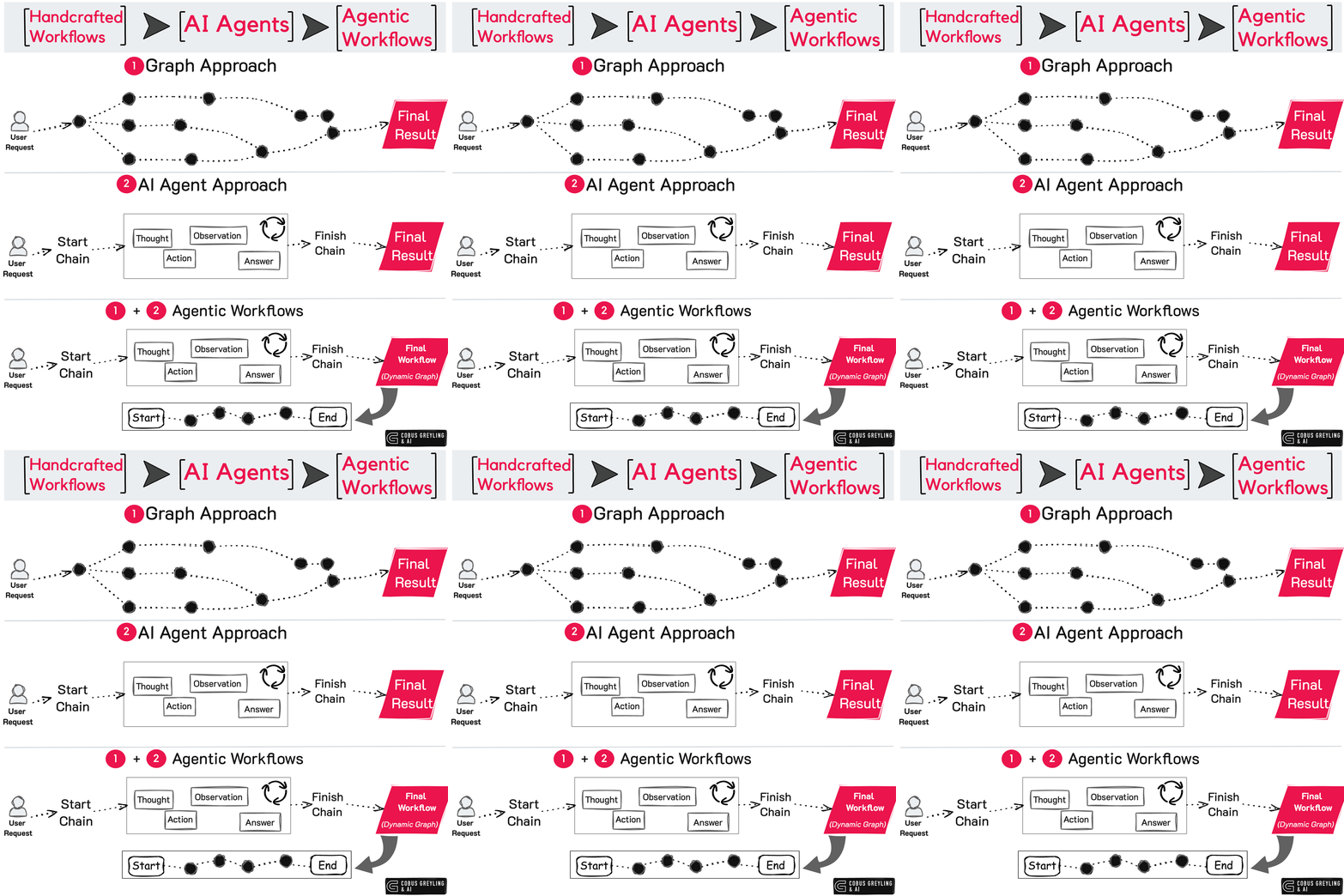
Coding agent AI refers to autonomous or semi-autonomous artificial intelligence systems that can write, edit, test, and improve code with minimal human input.
Unlike basic autocomplete tools, a coding agent AI understands instructions, breaks them into steps, generates working code, and can even debug or refactor it.
If traditional coding assistants were calculators, coding agent AI tools are closer to junior developers who follow instructions carefully—without coffee breaks.
This shift reflects real advances in large language models trained on programming languages, official documentation, and open-source repositories.
What Makes Coding Agent AI Different from Autocomplete?
Developers have relied on autocomplete for years. But coding agent AI works at a much deeper level.
Traditional Autocomplete
- Suggests the next word or line
- Works inside a single file
- Needs constant manual guidance
Coding Agent AI
- Understands project-level context
- Generates multi-file code structures
- Writes tests and documentation
- Explains code logic
The difference is autonomy.
A coding agent AI performs multi-step reasoning instead of predicting the next character.
Popular Coding Agent AI Tools in 2026
1. GitHub Copilot
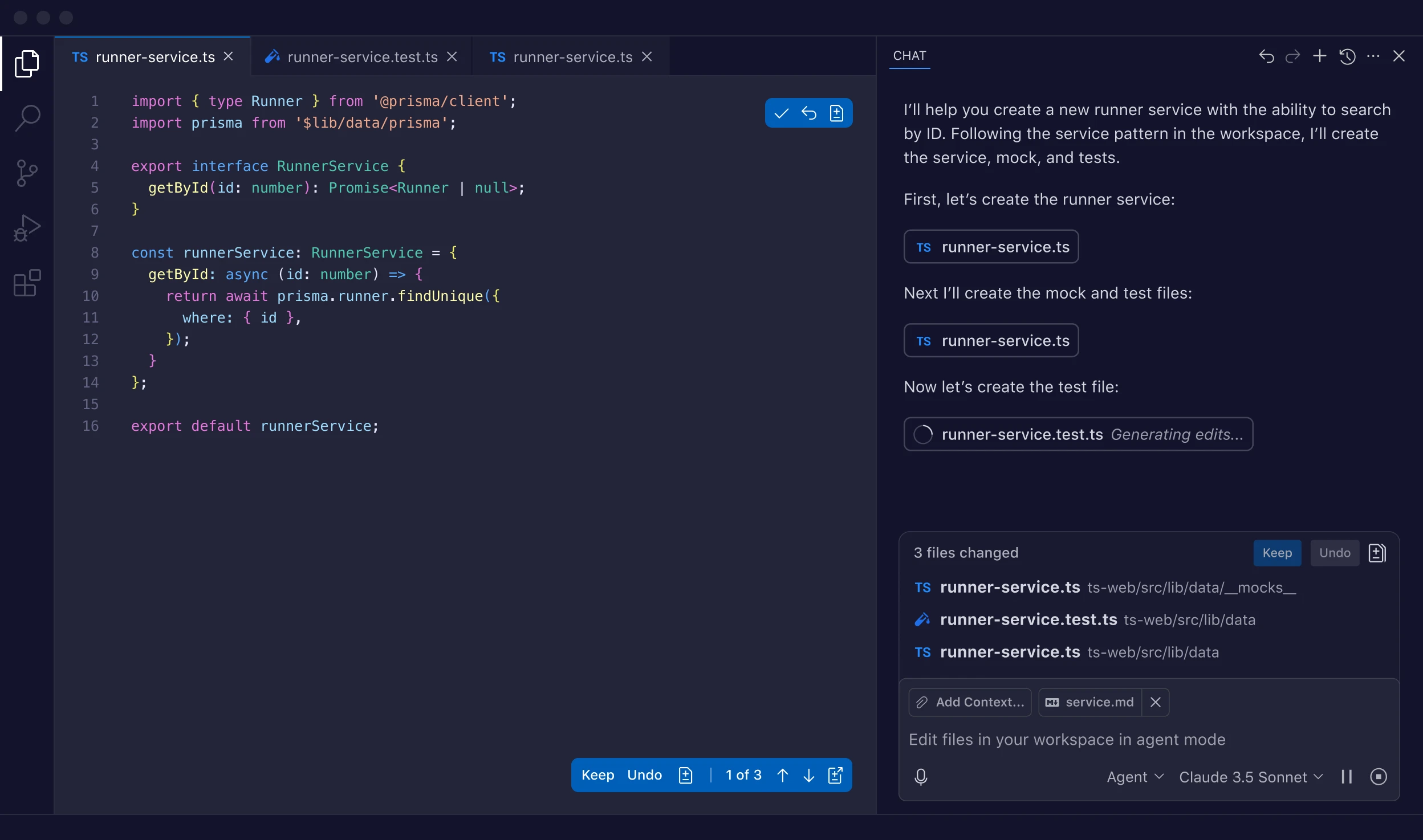

GitHub Copilot uses advanced AI models to assist developers inside IDEs such as Visual Studio Code.
Why it matters
- Real-time code suggestions
- Deep IDE integration
- Widely used by professional teams
GitHub has publicly stated that Copilot reduces repetitive coding work and speeds up development. It assists developers, but human review remains essential.
2. OpenAI GPT-Based Coding Agents
OpenAI-powered coding agent AI systems can:
- Generate full-stack applications
- Refactor legacy code
- Write unit tests
- Explain complex functions
These agents work conversationally. Developers describe what they want, and the system produces structured code in response.
3. Replit AI Agent

Replit’s AI agents operate at the project level. They read files, understand dependencies, and suggest changes across entire codebases.
This level of context awareness separates coding agent AI from older code completion tools.
4. Anthropic Claude-Based Coding Agents
Claude-based coding agent AI tools focus on reasoning clarity and safety.
Many startups integrate these agents into structured workflows because they emphasize:
- Explainable outputs
- Step-by-step reasoning
- Reduced risky behavior
How Coding Agent AI Improves Productivity
Coding agent AI improves workflows in practical, measurable ways.
- Speeds up boilerplate generation
- Reduces debugging time
- Suggests optimized patterns
- Helps junior developers learn faster
Instead of spending half an hour writing validation logic, developers generate a clean draft in seconds and refine it.
This shift lets teams focus more on system design and less on repetitive syntax.
Where Coding Agent AI Still Struggles
Despite progress, coding agent AI does not replace human judgment.
Common limitations include:
- Hallucinated APIs
- Logical errors in complex systems
- Security vulnerabilities if unchecked
- Dependency mismatches
AI produces code confidently—even when wrong. Professional teams always review, test, and validate outputs.
Coding agent AI works best as a collaborator, not a final authority.
Is Coding Agent AI Safe for Production Use?
Security remains a serious consideration.
Responsible teams:
- Review AI-generated code
- Run static analysis tools
- Conduct regular audits
- Avoid exposing sensitive data
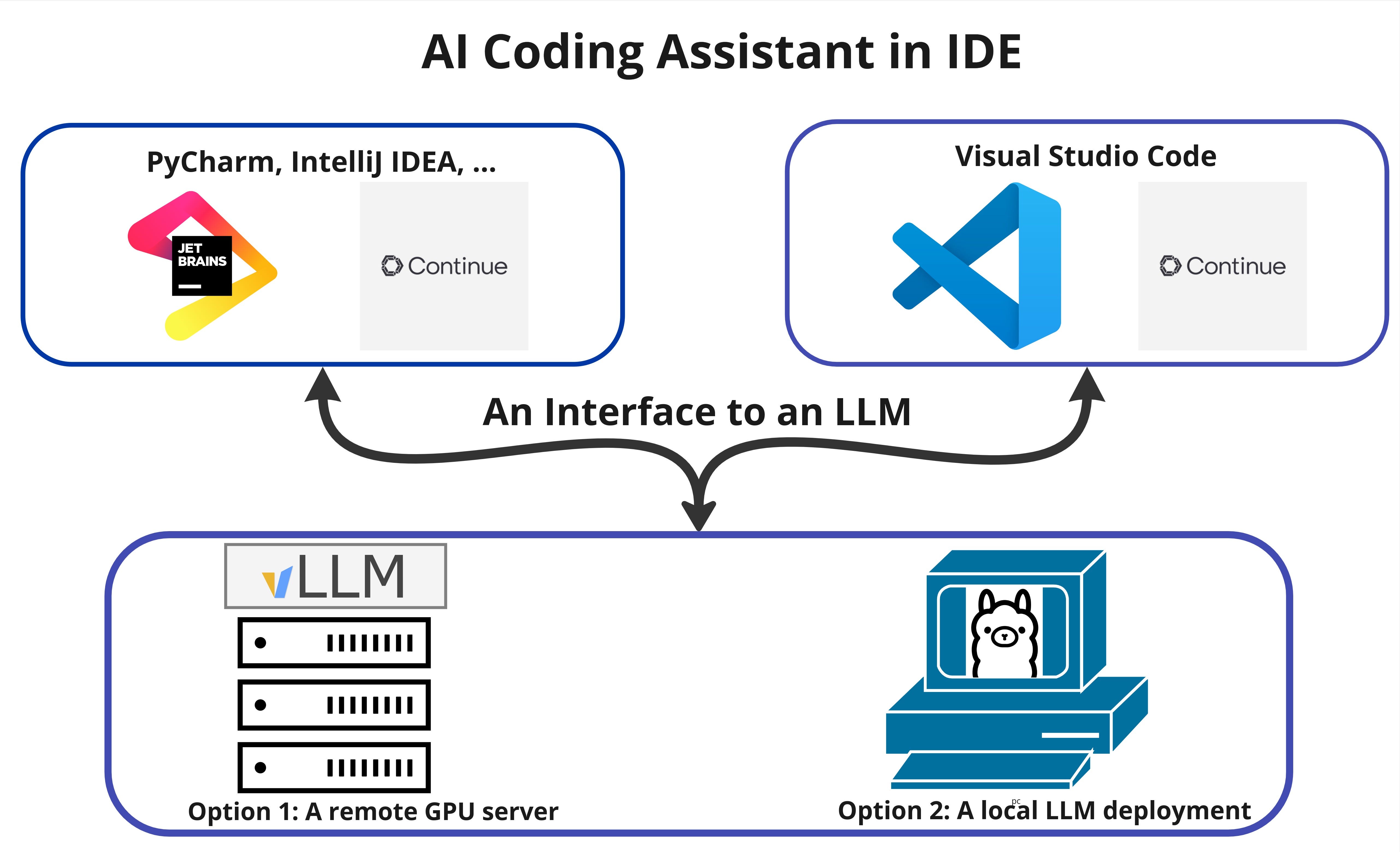
Many organizations use private or self-hosted deployments to reduce data exposure.
When teams apply discipline, coding agent AI supports secure development. Blind trust creates risk.
How Coding Agent AI Changes Developer Roles
Coding agent AI does not eliminate developers. It changes how they work.
Modern developers now:
- Write clearer prompts
- Focus on architecture and design
- Validate AI-generated logic
- Debug conceptual issues
Engineers become supervisors of intelligent systems.
This transition resembles the shift from manual testing to automated testing. Automation increased speed, but human oversight stayed essential.
Coding Agent AI for Beginners vs Professionals
For Beginners
- Explains concepts clearly
- Provides working examples
- Accelerates learning
For Professionals
- Refactors legacy systems
- Generates test cases
- Handles repetitive tasks
In both cases, coding agent AI reduces friction and increases momentum.
Ethical and Licensing Considerations
Coding agent AI models train on large collections of public code. Developers must remain license-aware.
Best practices include:
- Checking license compatibility
- Reviewing generated code carefully
- Following organizational compliance policies
Responsible usage protects developers and businesses alike.
The Future of Coding Agent AI
The next phase likely includes:
- End-to-end project automation
- AI-driven bug prediction
- Continuous code optimization
- Natural-language-to-app deployment
Even then, human creativity remains central.
AI executes patterns. Humans design them.
Final Verdict: Is Coding Agent AI Worth Using?
Yes—with discipline.
Coding agent AI accelerates development, improves efficiency, and removes repetitive work. It does not replace reasoning, creativity, or accountability.
The smartest teams treat coding agent AI like a powerful intern: fast, helpful, and productive—but always supervised.
Summary
- Coding agent AI autonomously generates and improves code
- Tools like GitHub Copilot, OpenAI-based agents, Replit AI, and Claude lead the space
- Productivity rises, but human oversight stays critical
- Security and licensing awareness matter
- Developers who collaborate effectively with AI gain a real advantage