
What is Artificial Intelligence?
This is one of the most common questions beginners ask when they hear terms like AI, machine learning, or smart machines. Artificial Intelligence, often called AI, is not magic, and it is not science fiction. It is simply a technology that allows machines to perform tasks that normally require human intelligence.
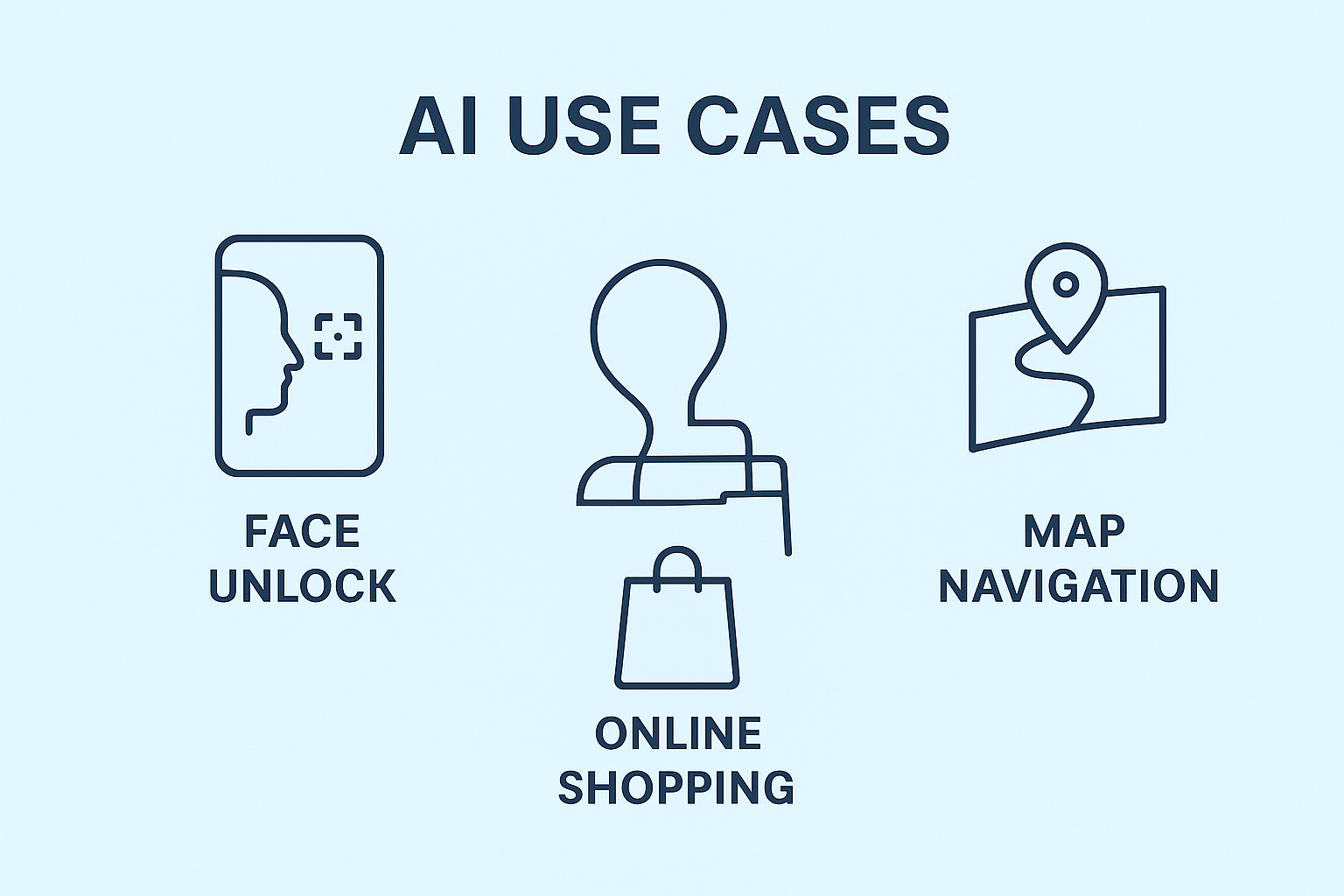
If you have ever used Google Search, Google Maps, voice assistants, face unlock on your phone, or YouTube recommendations, then you have already used Artificial Intelligence—whether you realized it or not.
In this guide, I’ll explain what Artificial Intelligence is in very simple language, using real-life examples, practical explanations, and years of hands-on tech blogging experience. No confusing jargon. No exaggerated claims. Just clarity.
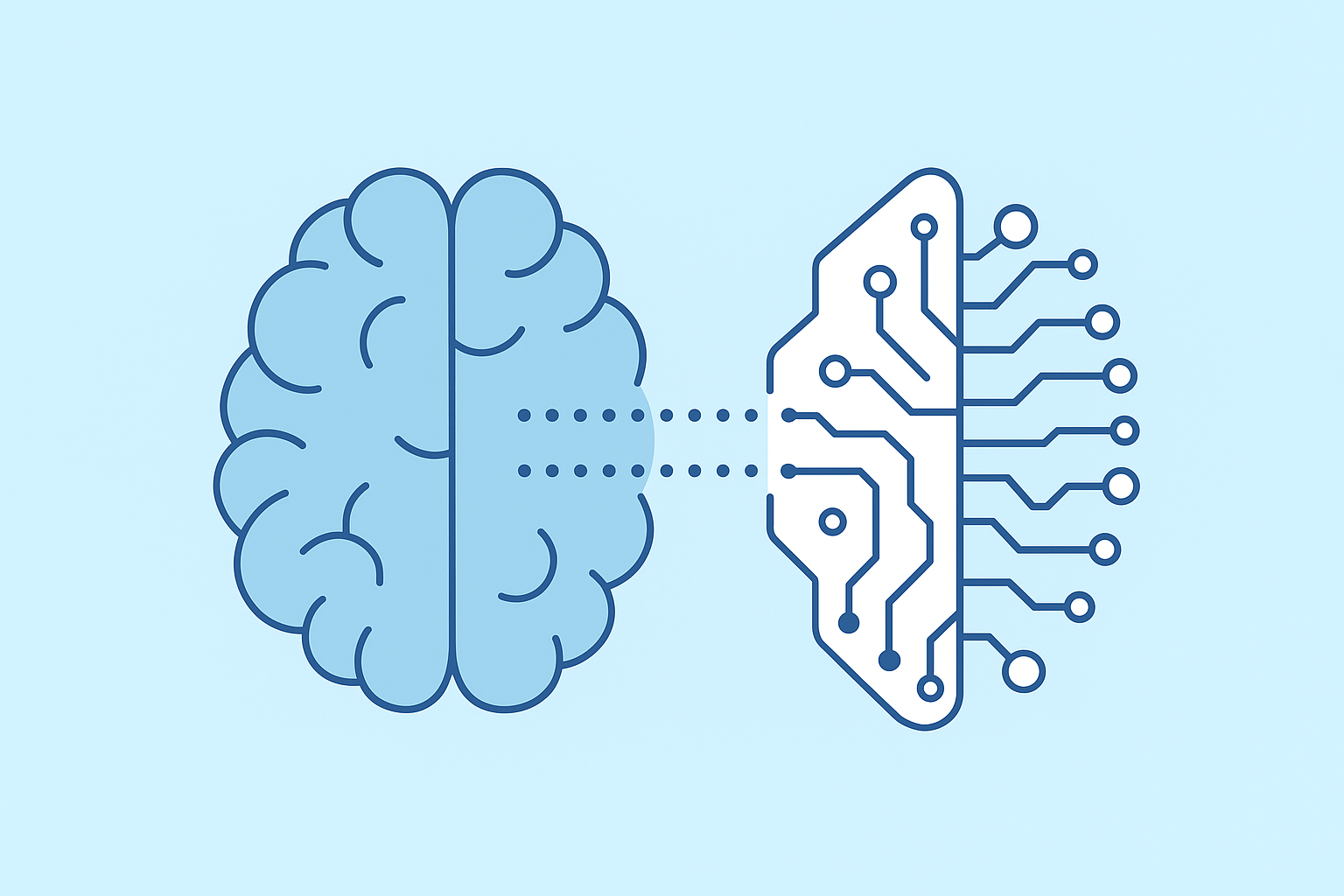
What Is Artificial Intelligence in Simple Words?
Artificial Intelligence is a branch of computer science where machines are trained to think, learn, and make decisions like humans—but only within specific limits.
In simple terms:
Artificial Intelligence means teaching computers how to perform tasks that usually need human thinking.
These tasks include:
- Understanding language
- Recognizing images or faces
- Making predictions
- Solving problems
- Learning from data
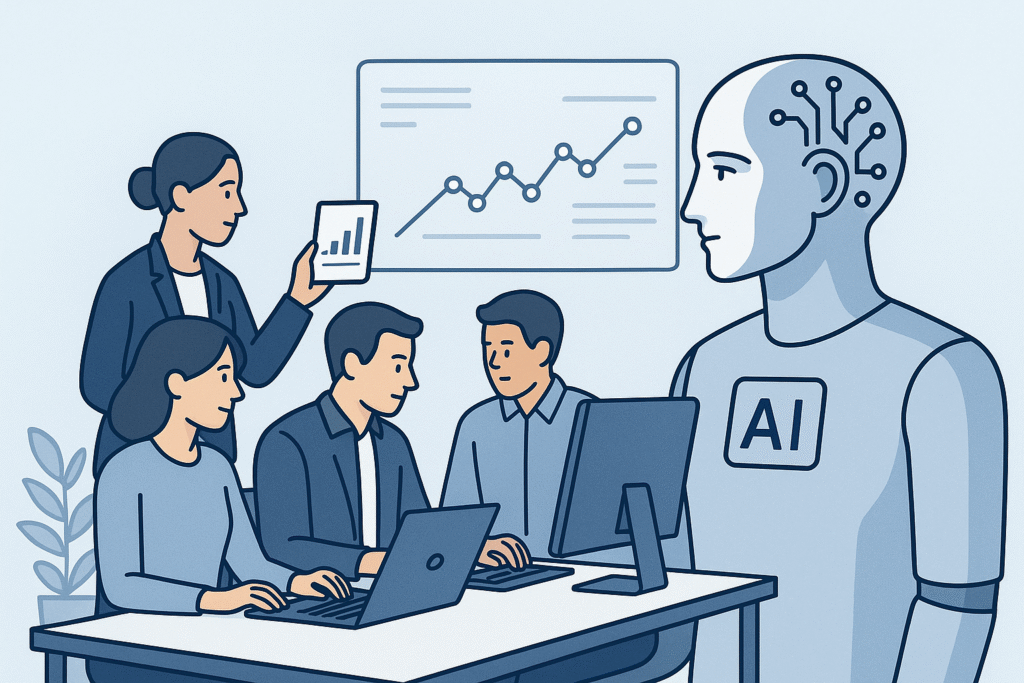
AI does not have emotions, consciousness, or common sense. It only works based on data, rules, and patterns.
Why Is Artificial Intelligence Called “Artificial”?
The word artificial means “man-made.”
The intelligence part comes from the ability to make decisions.
So, Artificial Intelligence is:
- Created by humans
- Controlled by humans
- Limited to what humans design it to do
AI does not think on its own. It does not have intentions. It only follows instructions, algorithms, and data.
This distinction is important because many beginners assume AI is like a human brain. It is not.
How Does Artificial Intelligence Work?
To understand how AI works, forget complex math for a moment.
AI works in three basic steps:
1. Data Collection
AI systems learn from data. This data can be:
- Text
- Images
- Videos
- Numbers
- User behavior
Example:
A spam email filter learns from thousands of emails marked as “spam” or “not spam.”
2. Pattern Learning
AI looks for patterns inside the data.
For example:
- Which words appear in spam emails?
- What do slow phones have in common?
- Which videos users watch till the end?
This learning process is called machine learning, which is a part of AI.
3. Decision Making
Once trained, AI uses learned patterns to make predictions or decisions.
Example:
- Is this email spam or not?
- Which video should be recommended next?
- Is this face the same as the saved photo?
Types of Artificial Intelligence (Explained Simply)
Not all AI is the same. Based on capability, AI is usually divided into three types.
1. Narrow AI (Weak AI)
This is the only type of AI that exists today.
Narrow AI is designed to perform one specific task.
Examples:
- Google Search
- Voice assistants
- Face recognition
- Recommendation systems
Narrow AI is very good at one job, but completely useless outside it.
2. General AI (Strong AI)
General AI would be able to:
- Think like humans
- Learn any task
- Apply knowledge across fields
This type of AI does not exist yet.
It is still theoretical and a topic of research.
3. Super AI
Super AI refers to machines that surpass human intelligence in every way.
This is purely hypothetical and often discussed in science fiction.
As a tech blogger, it’s important to be honest:
Super AI is not real today.
Real-Life Examples of Artificial Intelligence
Beginners understand AI best through examples they already use.
AI in Smartphones
- Face unlock
- Camera scene detection
- Voice typing
- Battery optimization
AI in Daily Internet Use
- Google Search results
- YouTube recommendations
- Netflix suggestions
- Spam filters
AI in Navigation
- Google Maps traffic prediction
- Route optimization
- ETA calculation
AI in Online Shopping
- Product recommendations
- Price suggestions
- Fraud detection
Artificial Intelligence vs Machine Learning vs Deep Learning
This is where beginners often get confused.
Let me simplify it clearly.
- Artificial Intelligence is the big umbrella
- Machine Learning is a subset of AI
- Deep Learning is a subset of Machine Learning
Think of it like this:
AI → Machine Learning → Deep Learning
You don’t need to master all of them to understand AI basics.
Benefits of Artificial Intelligence
AI is powerful when used correctly.
Key Benefits:
- Saves time
- Automates repetitive tasks
- Improves accuracy
- Analyzes large data quickly
- Helps businesses scale
For beginners, AI is mainly a productivity tool, not a replacement for thinking.
Limitations and Risks of Artificial Intelligence
As someone who has covered tech for years, this part is critical.
AI is not perfect.
Limitations:
- Depends heavily on data
- Can be biased
- Lacks human judgment
- Cannot understand emotions
- Makes mistakes confidently
Risks:
- Privacy concerns
- Data misuse
- Over-reliance on automation
- Low-quality AI-generated content
This is why responsible use of AI matters—especially for blogging, SEO, and content creation.
Can Beginners Learn Artificial Intelligence Easily?
Yes—if you start correctly.
Beginners should:
- Focus on understanding concepts first
- Avoid overhyping AI
- Use AI as an assistant, not a shortcut
- Learn basics before tools
You don’t need coding knowledge to understand what Artificial Intelligence is.
Is Artificial Intelligence Replacing Humans?
Short answer: No.
AI replaces tasks, not humans.
AI still needs:
- Human supervision
- Human creativity
- Human ethics
- Human decision-making
The smartest approach is to work with AI, not compete against it.
Future of Artificial Intelligence (Beginner Perspective)
AI will:
- Become more integrated into daily tools
- Improve automation
- Assist professionals
- Create new job roles
But it will not suddenly become conscious or human-like.
That idea belongs to movies, not reality.
Final Thoughts: What Is Artificial Intelligence Really?
So, what is Artificial Intelligence?
It is a powerful technology that helps machines learn from data and assist humans in solving problems. It is not magic. It is not a threat by default. And it is not something beginners should fear.
When understood correctly, AI becomes a tool, not a mystery.
If you are starting an AI blog or learning AI basics, clarity and honesty matter more than hype.
FAQs: Artificial Intelligence for Beginners
What is Artificial Intelligence in simple words?
Artificial Intelligence is a technology that allows machines to perform tasks that normally require human thinking, such as learning, decision-making, and problem-solving.
Is Artificial Intelligence dangerous?
AI itself is not dangerous, but misuse of AI and poor data handling can create risks. Responsible use is important.
Do I need coding to learn Artificial Intelligence?
No. Beginners can understand AI concepts without coding. Programming is required only for advanced development.
Is AI the same as robots?
No. Robots are physical machines. AI is software that can exist with or without robots.
Can AI replace human jobs?
AI replaces repetitive tasks, not humans. It also creates new types of jobs and opportunities.