
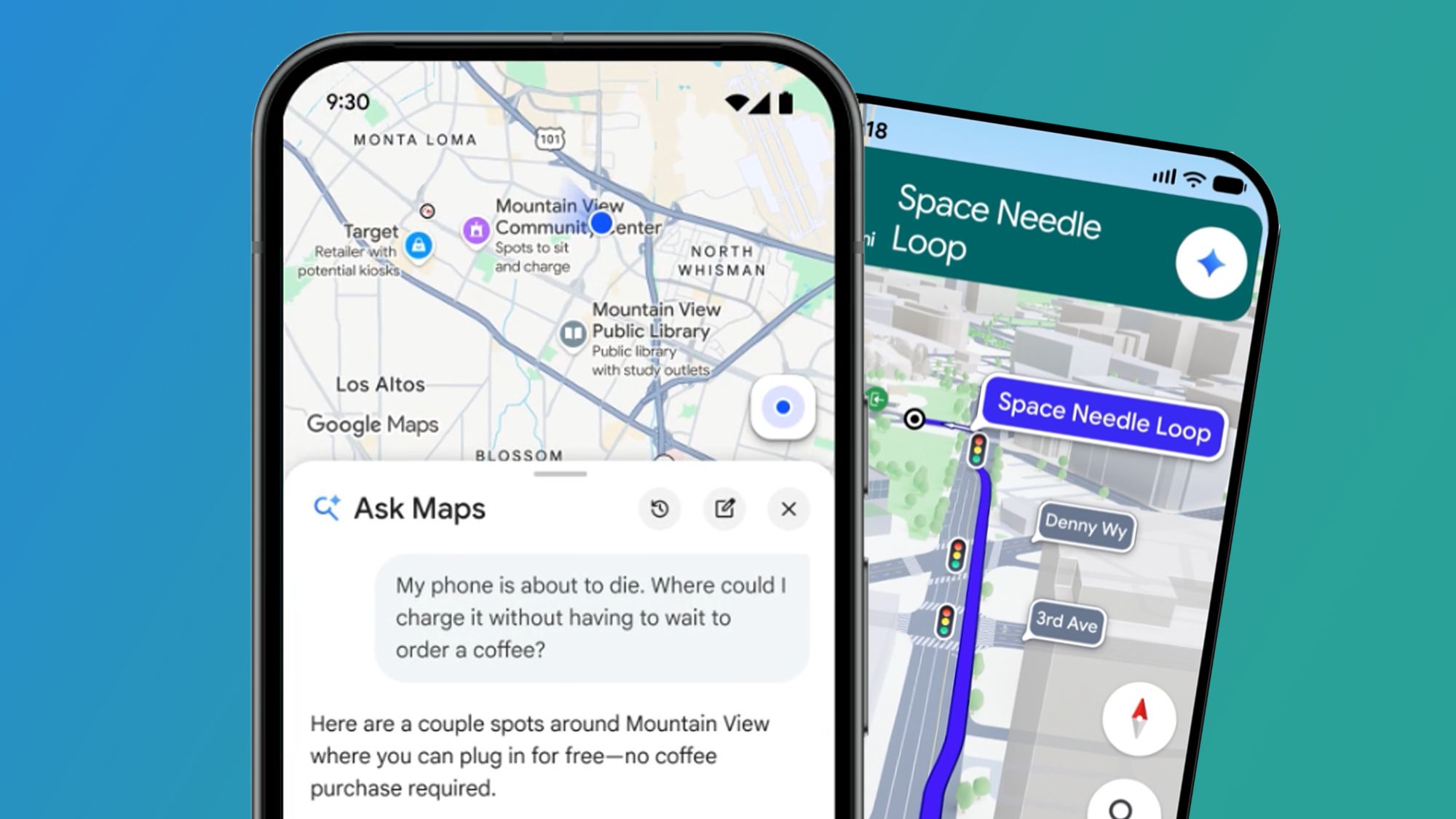
Google Maps Gemini marks one of the biggest updates to Google Maps in years. Google has started combining its Gemini AI models with the company’s massive mapping database to transform how people explore cities, plan trips, and navigate roads.
For years, Google Maps worked as a powerful navigation tool. You typed an address, followed directions, and hoped traffic behaved itself. The experience worked well, but it still required users to search manually for information.
Now Google wants Maps to behave more like a conversation with a knowledgeable local guide.
With the new Ask Maps feature and Immersive Navigation, the app moves beyond simple directions. Users can ask complex questions, receive personalized recommendations, and see realistic navigation views powered by artificial intelligence.
In short, Google Maps is evolving from a static map into an interactive exploration assistant.
Ask Maps: Conversational AI Inside Google Maps



The most visible feature of Google Maps Gemini is the new Ask Maps button.
Instead of searching with simple keywords, users can now ask natural questions about places around them.
For example, someone might ask:
- “Where can I charge my phone without waiting in a coffee shop line?”
- “Is there a public tennis court with lights nearby tonight?”
- “What are some cozy restaurants for four people around Midtown East?”
Gemini analyzes information from Google Maps’ enormous database and produces personalized answers.
The results appear on a customized map showing locations, directions, and helpful details.
This feature saves time because users no longer need to search multiple websites or read dozens of reviews.
You simply ask the map.
A Map Powered by Community Knowledge
The intelligence behind Google Maps Gemini comes from more than just AI.
Google Maps relies on a massive global community that contributes reviews, photos, and updates about places.
According to Google, the platform analyzes information from over 300 million locations and insights from more than 500 million contributors.
When you ask Gemini for suggestions, the AI examines:
- Location data
- User reviews
- Popular travel routes
- Saved places and previous searches
The result feels less like a search engine and more like advice from locals who know the area.
For instance, when planning a trip, users can ask something like:
“I’m visiting the Grand Canyon and Horseshoe Bend. Are there any interesting stops along the way?”
Gemini can then recommend scenic viewpoints, hidden hiking trails, or local attractions based on community feedback.Personalized Travel Planning
Another major benefit of Google Maps Gemini is personalization.
The assistant learns from a user’s past activity on Google Maps. This includes places they searched for, saved, or visited previously.
Imagine asking the map:
“My friends are meeting me after work. Any cozy restaurants for four people tonight?”
If your saved locations show a preference for vegan food, Gemini can prioritize restaurants that offer vegan options.
Once you select a place, Google Maps makes the next steps simple.
Users can:
- Book restaurant reservations
- Save locations to lists
- Share recommendations with friends
- Start navigation instantly
This seamless transition from discovery to action makes trip planning much easier.
Immersive Navigation: A Major Upgrade for Drivers
Beyond discovery features, Google Maps Gemini also introduces a major update for drivers called Immersive Navigation.
Google describes this as the largest navigation upgrade in more than a decade.
The new system uses 3D visuals and real-world imagery to create a more intuitive driving experience.
Instead of looking at a flat map, drivers can see:
- Buildings
- Overpasses
- Terrain
- Traffic lights
- Crosswalks
- Lane markings
Gemini analyzes imagery from Street View and aerial photographs to generate a detailed visualization of the route.
This helps drivers understand complicated intersections or highway merges before they reach them.
In busy cities, that extra context can make navigation far less stressful.
Smarter Voice Navigation
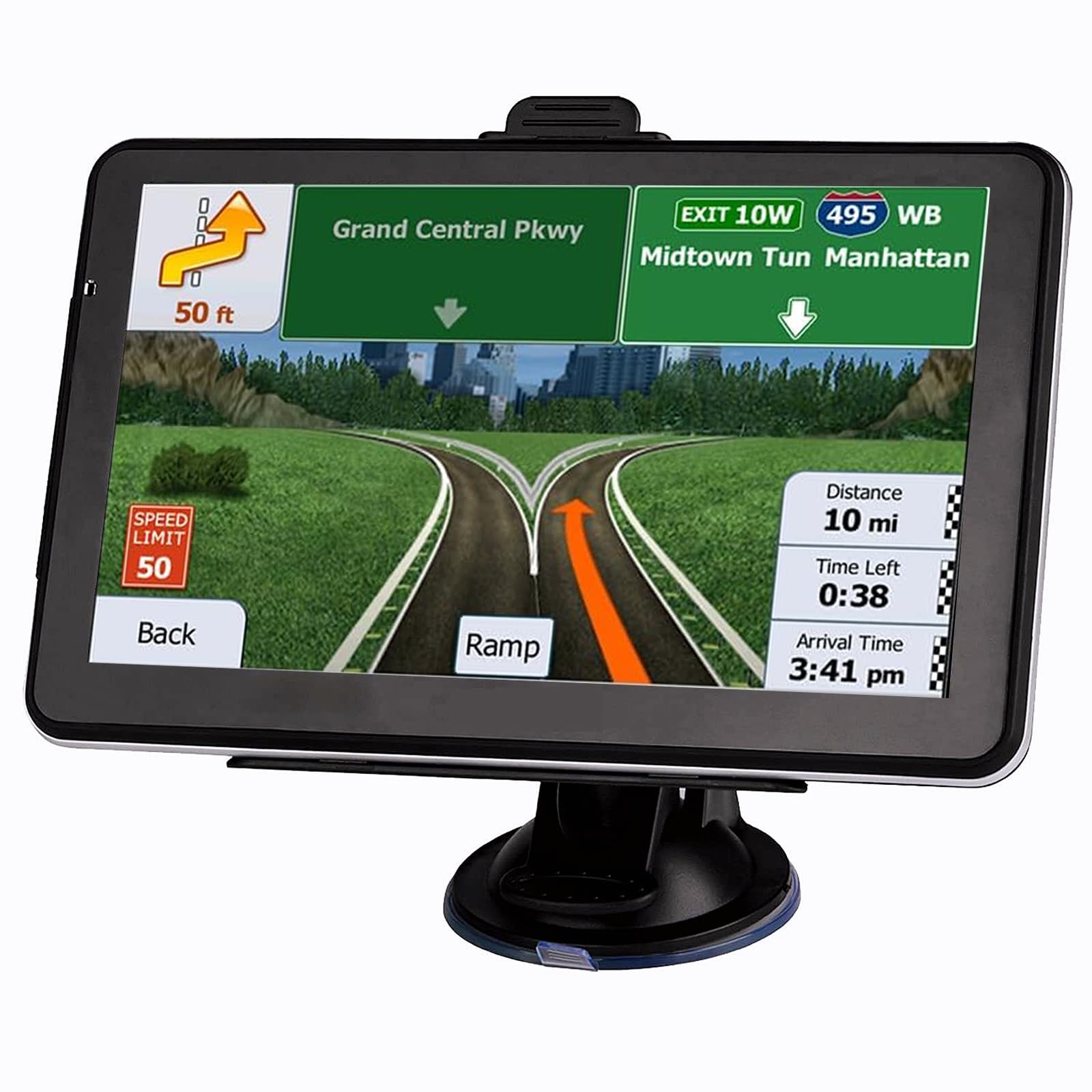

Navigation instructions are also getting smarter with Google Maps Gemini.
Traditional GPS directions often sound robotic and confusing. Gemini improves this experience by generating more natural voice guidance.
Instead of saying:
“Exit in 1.5 miles.”
You might hear something like:
“Go past this exit and take the next one for Illinois 43 South.”
This conversational tone feels closer to a friend giving directions from the passenger seat.
The system also highlights important parts of the route visually. If a tricky lane change appears ahead, the map zooms out slightly to show the bigger picture.
These adjustments help drivers prepare earlier and avoid last-minute mistakes.Real-Time Traffic and Route Decisions

Traffic constantly changes, and Google Maps Gemini tries to keep up with those changes in real time.
Google says the platform processes over five million traffic updates every second worldwide.
The new navigation experience also explains tradeoffs between routes.
For example, Maps may tell you:
- One route takes longer but avoids heavy traffic
- Another route is faster but includes toll roads
Users also receive alerts about real-time disruptions such as:
- Road construction
- Accidents
- Lane closures
Much of this data comes from drivers themselves. Google reports that its community provides more than 10 million traffic updates daily.Smarter Arrival Guidance

Anyone who has used GPS knows the most confusing part often comes after reaching the destination.
You arrive at the address but still wonder where the entrance or parking area actually is.
Google aims to fix that with smarter arrival guidance in Google Maps Gemini.
Before leaving, users can preview the destination using Street View imagery.
As you approach the location, Maps highlights:
- The correct building entrance
- Nearby parking areas
- The correct side of the street
This feature helps drivers complete the final steps of their trip smoothly.
Availability of Google Maps Gemini

Google has started rolling out Google Maps Gemini features in phases.
The Ask Maps conversational feature is currently available in:
- United States
- India
The feature works on Android and iOS devices, with desktop support expected later.
Meanwhile, Immersive Navigation begins rolling out in the United States and will expand to more regions and platforms over time. These include:
- Android Auto
- Apple CarPlay
- Vehicles with Google built-in systems
- Conclusion

Google Maps Gemini represents a significant shift in how mapping technology works.
Instead of typing searches and scanning results, users can now interact with maps through natural conversations.
Features like Ask Maps transform the discovery process, while Immersive Navigation makes driving easier and more intuitive.
By combining Gemini AI with its vast mapping data, Google has effectively turned Maps into a digital guide for everyday life.
And if this direction continues, the future of navigation may feel less like using an app and more like traveling with a knowledgeable companion.
Sources
- Google Official Blog – “How we’re reimagining Maps with Gemini”
- Google Maps product announcement (March 2026)
- Tech industry coverage of Gemini-powered Maps updates