Google’s AI Mode just got a significant upgrade, allowing it to connect and interact with more of your favorite apps than ever before. This isn’t just about linking; it’s about unlocking a new era of intelligent, seamless digital assistance.
In the ever-evolving landscape of artificial intelligence, Google continues to push the boundaries, transforming how we interact with our digital world. The latest buzz centers around a significant enhancement to Google’s AI Mode: a dramatic expansion in its ability to connect with and deeply interact with a growing roster of third-party applications. This isn’t merely an incremental update; it’s a leap forward in creating a truly unified and intelligent digital assistant.
What is Google AI Mode (and Why Does it Matter)?
For those new to the concept, Google AI Mode is designed to be your proactive, context-aware digital companion. It moves beyond simple command-and-response, aiming to understand your intent, anticipate your needs, and execute complex tasks across Google’s vast ecosystem. Traditionally, its power resided largely within Google’s own services like Search, Calendar, Gmail, and Maps.
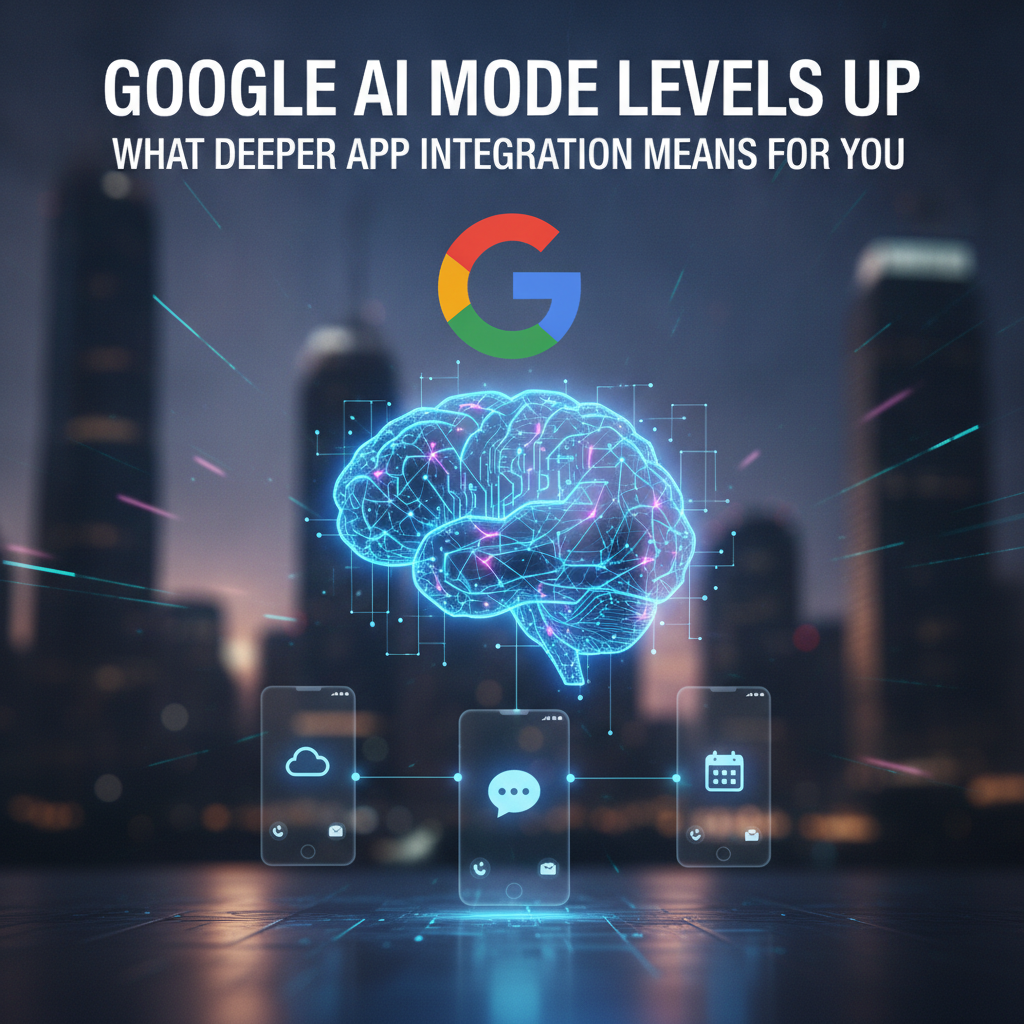
The significance of this update lies in breaking down those walls. By allowing AI Mode to link and interact with select apps outside of Google’s direct control, it transforms from a powerful individual assistant into a central orchestrator of your entire digital life.
The Big News: Deeper App Connectivity Unlocks New Powers
The core of this update is a vastly improved framework that enables Google AI Mode to establish more profound connections with a diverse array of applications. This isn’t just about launching an app or sending a basic command; it’s about intelligent, multi-step interactions that leverage the unique functionalities of each connected service.
Key Features and How It Works:
- Natural Language Across Apps: Imagine telling your Google AI, “Find a flight to London for next month, then add a reminder to pack a travel adapter and check the weather forecast for my trip.” Your AI could then seamlessly query a flight booking app, add an event to your calendar, and integrate with a weather service, all from a single, natural language prompt.
- Contextual Understanding and Memory: The AI doesn’t just process a command and forget it. It can maintain context across conversations and applications. If you’re discussing dinner plans with friends in a messaging app, your AI could proactively suggest restaurant reservations based on your preferences, past orders, and current location via a connected food delivery or booking app.
- Automated, Multi-Step Workflows: Users can now create or leverage pre-built routines that span multiple apps. For instance, a “Workday Start” routine could turn on your smart office lights (via a smart home app), open your project management software, and pull up your morning news brief from a news aggregator app.
- Personalized & Predictive Assistance: The more you use it, the smarter and more tailored the AI becomes. By understanding your habits across various apps, it can offer more relevant suggestions, automate repetitive tasks, and even anticipate your needs before you explicitly state them.
What This Means for You: Unprecedented Convenience and Efficiency
For the everyday user, this enhanced app integration translates directly into a host of tangible benefits:
- Hyper-Efficiency: Cut down on app switching and manual data entry. Your AI becomes a central hub for task management.
- Unified Digital Experience: Your digital tools no longer operate in silos. They work together harmoniously, creating a cohesive and less fragmented experience.
- Reduced Cognitive Load: Offload simple yet time-consuming tasks to your AI, freeing up your mental energy for more important work.
- Smarter Automation: Beyond basic routines, the AI can learn your patterns and proactively automate actions that truly enhance your daily life.
The Broader Implications: A Glimpse into the Future of AI
This move by Google isn’t just about better user experience; it’s a significant strategic play. By opening up its AI Mode to deeper third-party integration, Google is solidifying its position at the heart of the personal AI ecosystem. It sets a new benchmark for competitors and accelerates the industry-wide push towards truly pervasive and proactive AI assistants.
While such powerful integration naturally brings questions of data privacy and user control to the forefront, the potential for transformative utility is immense. This development moves us closer to a future where AI isn’t just a tool, but a genuine partner in navigating our increasingly complex digital lives.
Getting Started with Google AI Mode’s Connected Apps
To take advantage of these new capabilities, users will typically find options within their existing Google Assistant settings, the main Google app, or dedicated Google AI Mode interfaces. Keep an eye out for updates and new prompts that guide you through linking your preferred applications and setting up intelligent workflows.