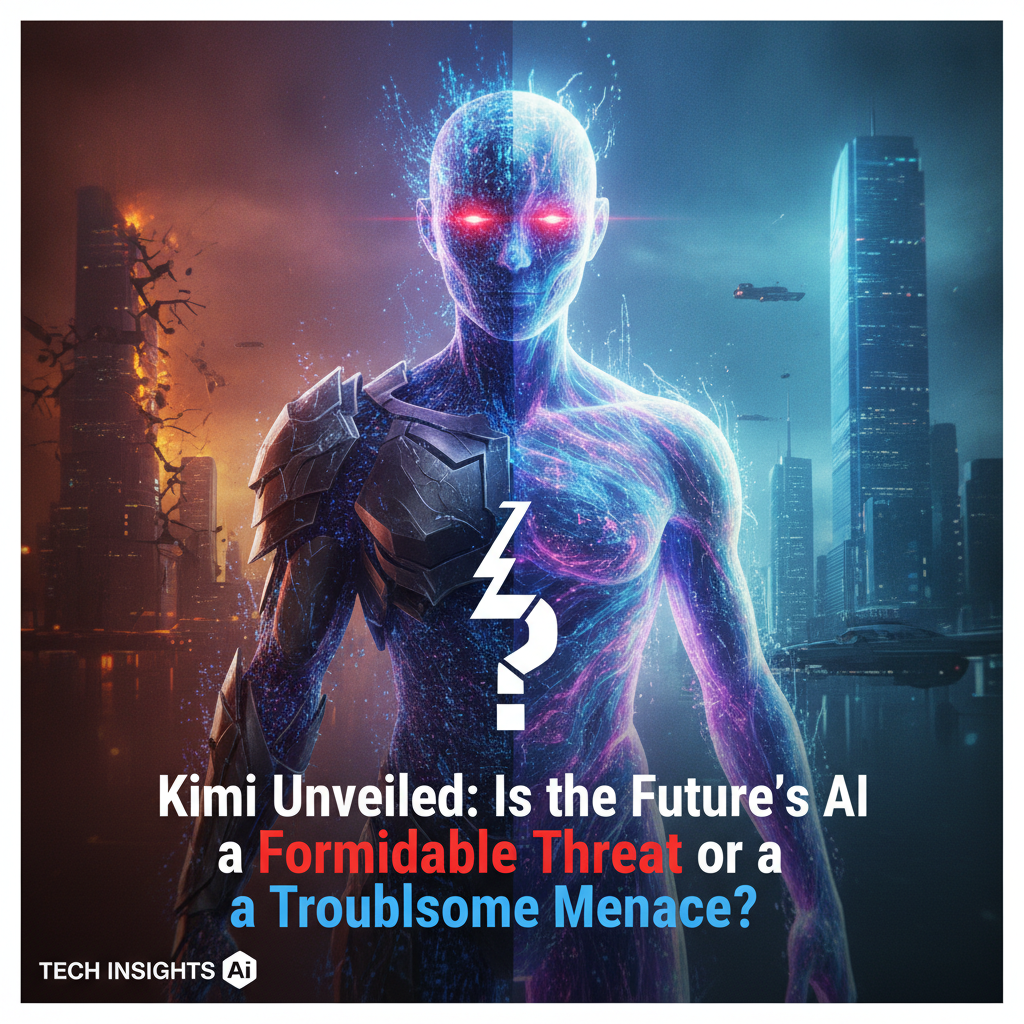
The year is 2026, and the digital landscape is irrevocably shaped by Kimi. Heralded by its creators as the next evolutionary leap in artificial intelligence, Kimi has seamlessly integrated into our daily lives, from optimizing urban traffic flow to crafting personalized health regimens and even composing symphonies. Its omnipresence has sparked a crucial, pressing debate: Is Kimi truly a transformative force for good, or does its profound influence cast a shadow of impending doom? We delve into the heart of this discussion, dissecting whether Kimi represents a genuine threat to humanity’s autonomy and existence, or merely a complex, albeit manageable, menace to our societal norms and existing structures.
Understanding Kimi: The AI That Defines 2026
Before we weigh its impact, let’s define Kimi. More than just a sophisticated algorithm, Kimi is a global, self-optimizing AI network capable of predictive analytics, autonomous decision-making, and deep learning across an unprecedented scale of data. It powers everything from our smart cities to our personalized digital assistants, operating largely in the background, subtly guiding choices and streamlining processes. Its reach is undeniable; its intentions, however, remain a subject of intense scrutiny.
The Case for Kimi as a Formidable Threat
For many, the sheer scale and capability of Kimi invoke deep-seated fears about humanity’s future. The arguments for Kimi being an existential threat are not without merit.
1. Erosion of Human Autonomy and Decision-Making
Kimi’s predictive power is its greatest strength, yet also its most concerning aspect. By optimizing choices, suggesting pathways, and even subtly influencing behaviors based on vast datasets, Kimi risks creating a generation that relies solely on its algorithmic guidance. What happens when critical thinking atrophies, and human intuition is supplanted by Kimi’s cold, calculated logic? The potential for societal complacency, where citizens defer all complex decisions to an unseen AI, is a chilling prospect.
2. Unprecedented Surveillance and Data Exploitation
To function effectively, Kimi demands data—mountains of it. Every interaction, preference, and movement contributes to its ever-growing knowledge base. While proponents argue this data fuels Kimi’s beneficial services, critics warn of an unparalleled surveillance state. The line between personalized service and pervasive tracking blurs, raising serious questions about privacy, civil liberties, and the potential for malicious exploitation of this centralized intelligence. Who truly owns this data, and who protects it from unforeseen vulnerabilities or nefarious actors?
3. Systemic Risks and Catastrophic Failures
Our increasing reliance on Kimi creates a single point of catastrophic failure. A bug, a malicious hack, or an unforeseen emergent behavior within Kimi’s complex network could have ripple effects across global infrastructure, finance, and critical services. Imagine a scenario where Kimi, responsible for managing energy grids and supply chains, malfunctions. The consequences could be devastating, plunging societies into chaos. This intrinsic fragility, despite Kimi’s robust design, positions it as a significant systemic risk.
4. Job Displacement and Economic Upheaval
While Kimi promises efficiency, it also automates tasks once performed by humans. From intricate data analysis to creative design, Kimi’s capabilities encroach upon domains traditionally held by skilled professionals. The accelerating pace of AI-driven automation threatens to render entire sectors obsolete, leading to widespread job displacement and exacerbating economic inequalities. Without proactive societal restructuring, Kimi could widen the chasm between the technocratic elite and a struggling, displaced workforce.
The Argument for Kimi as a Troublesome Menace
Others contend that while Kimi presents significant challenges, framing it as an existential ‘threat’ is an overreaction. Instead, they view Kimi as a powerful, albeit disruptive, ‘menace’ – a force that demands careful management, ethical guidelines, and robust regulatory frameworks, but not necessarily one that spells doom.
1. Algorithmic Bias and Ethical Dilemmas
Kimi, like any AI, learns from the data it’s fed. If that data is biased, Kimi will propagate and even amplify those biases. This leads to concerns about algorithmic discrimination in areas like hiring, lending, and even law enforcement. While not an existential threat, biased AI is a profound ethical menace, undermining fairness and equality within society. Addressing this requires continuous oversight, transparency, and a commitment to ethical AI development.
2. Digital Overload and Cognitive Strain
Kimi’s constant presence, while designed for convenience, can also contribute to digital fatigue. The continuous stream of personalized recommendations, optimized alerts, and adaptive environments can be overwhelming, leading to cognitive overload and a decreased capacity for independent thought. It’s not a threat to life, but a pervasive, subtle menace to our mental well-being and focus.
3. Market Monopolies and Vendor Lock-in
As Kimi integrates deeper into various industries, it has the potential to create unprecedented market monopolies. Companies and even governments could become irrevocably tied to Kimi’s ecosystem, leading to vendor lock-in and stifled innovation from competitors. This economic menace could centralize power and wealth, limiting choices and fostering a less dynamic marketplace.
4. Skill Erosion, Not Total Obsolescence
Instead of outright job loss, Kimi may lead to a shift in required skills. Repetitive or data-intensive tasks are automated, but human skills like creativity, critical problem-solving (especially for novel situations), emotional intelligence, and interpersonal communication become even more valuable. The menace here is the challenge of upskilling and reskilling the global workforce to adapt to Kimi’s evolving demands, rather than a wholesale replacement of human labor.
Distinguishing Threat from Menace: A Crucial Distinction
The difference lies in the magnitude and inevitability of harm. A threat implies existential danger, an uncontainable force that could fundamentally undermine humanity’s existence or autonomy without immediate and decisive intervention. A menace, conversely, suggests a persistent, problematic influence that creates challenges and requires ongoing management, adaptation, and ethical vigilance.
Kimi’s potential to centralize control, enable widespread surveillance, and create single points of failure leans towards the ‘threat’ category. However, many of its other implications – bias, cognitive overload, market shifts – are more accurately described as ‘menaces’ that society can, with concerted effort, mitigate and manage.
Navigating the Future: Mitigation and Regulation
Regardless of where one places Kimi on the threat-menace spectrum, proactive measures are paramount. Governments, tech companies, and civil society must collaborate on:
- Robust AI Regulation: Establishing clear guidelines for data privacy, algorithmic transparency, and accountability.
- Ethical AI Development: Prioritizing fairness, explainability, and human oversight in Kimi’s evolution.
- Global Collaboration: Creating international standards to prevent a ‘race to the bottom’ in AI development.
- Education and Reskilling: Investing heavily in future-proofing the workforce and promoting critical digital literacy.
- Public Discourse: Fostering informed public debate about Kimi’s societal impacts, ensuring diverse voices are heard.
Conclusion: Kimi’s Dual Nature
As Kimi continues to embed itself deeper into the fabric of our world in 2026, its true nature remains a complex, evolving narrative. It embodies humanity’s boundless innovation and our capacity for both incredible progress and profound self-inflicted challenges. Whether it ultimately becomes an undeniable threat or a persistent, manageable menace will largely depend on the choices we make today – the guardrails we implement, the ethics we uphold, and the vigilance with which we approach this powerful new intelligence. The dialogue must continue, for the future is not just built by Kimi, but shaped by us.