The digital landscape is constantly evolving, and with the rapid rise of generative AI, platforms and creators alike are grappling with unprecedented challenges. One of the most contentious issues has been the unauthorized scraping of online content by AI models for training purposes. For years, platforms have relied on polite requests via robots.txt files, essentially asking AI bots not to harvest their data. But now, a major player is changing its tune.
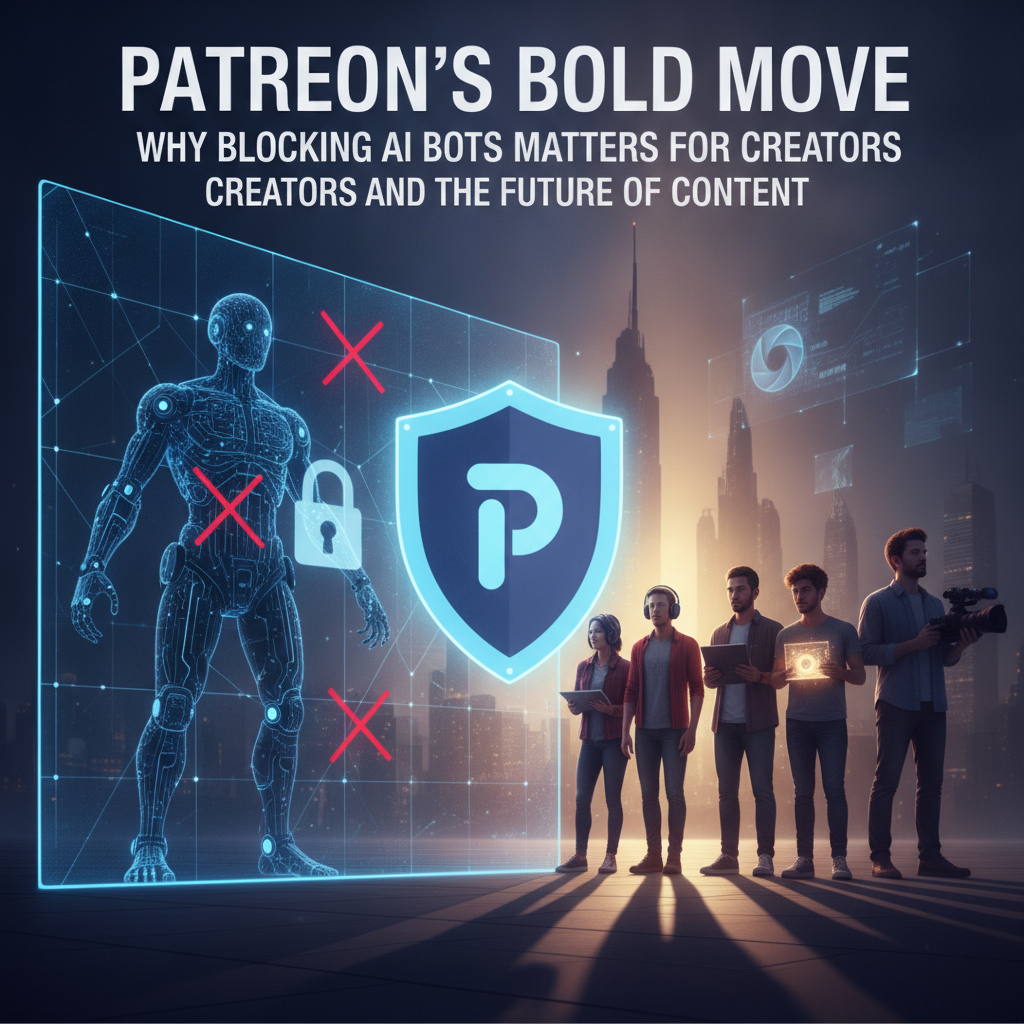
In a significant policy shift, Patreon has announced it will no longer merely ask AI bots to respect its content, but will actively block them. This pivotal decision marks a new chapter in the ongoing battle for creator rights and intellectual property protection in the age of artificial intelligence. Let’s delve into what this means for creators, AI developers, and the broader digital ecosystem.
From Polite Requests to Proactive Blocking: A Necessary Evolution
For a long time, the standard protocol for website owners to signal their content preferences to web crawlers and bots has been the robots.txt file. This file contains directives that essentially say, “Please don’t crawl these parts of my site.” While effective for well-behaved search engine crawlers, it often proved insufficient for AI models driven by commercial interests or less scrupulous actors. Many AI developers simply ignored these requests, treating the open web as a free-for-all data buffet.
Patreon, a platform built entirely on creators monetizing their unique content – from art and music to writing and podcasts – has a vested interest in protecting its users’ work. The realization that polite requests were largely ineffective in preventing unauthorized AI scraping has pushed them towards a more aggressive, protective stance. By moving to active blocking mechanisms, Patreon is signaling that it prioritizes its creators’ consent and control over their content above all else.
Empowering Creators: Protecting Originality and Income
This move is a massive win for Patreon creators. For artists worried their unique style might be replicated by an AI trained on their portfolio, or writers concerned their narratives could be repurposed without attribution, this offers a much-needed layer of security. The implications are profound:
- Safeguarding Intellectual Property: Creators can feel more confident that their original work is not being indiscriminately hoovered up to train AI models that might then compete with them or devalue their art.
- Preserving Monetization: If AI models are trained on content and then used to generate similar content, it can undercut the very value creators offer, potentially impacting their subscription revenue on platforms like Patreon. Blocking scraping helps maintain the unique value proposition of paid content.
- Peace of Mind: Knowing that the platform is actively fighting on their behalf can alleviate significant stress and allow creators to focus on what they do best – creating.
- Setting a Precedent: Patreon’s bold stance could encourage other creator-focused platforms to adopt similar protective measures, strengthening creator rights across the internet.
Implications for AI Developers and the Future of AI Training Data
While a boon for creators, Patreon’s decision presents a new set of challenges and considerations for AI developers and companies building large language models (LLMs) and other generative AI tools:
- Ethical Data Sourcing: This move reinforces the growing pressure on AI companies to source their training data ethically and legally. Simply scraping the internet without consent is becoming increasingly untenable.
- Licensing and Partnerships: AI developers may now need to actively seek out licensing agreements or partnerships with platforms and individual creators to access high-quality, diverse content for training. This could foster a new market for curated data sets.
- Technical Hurdles: Implementing effective blocking measures means AI bots will face more sophisticated barriers than simple
robots.txtfiles. Developers will need to adapt their scraping techniques, or more likely, pivot towards licensed data acquisition. - Industry Dialogue: This could spark further dialogue between AI developers, content platforms, and policymakers to establish clearer guidelines and regulations for data usage and AI development.
A Glimpse into the Future of Digital Content Protection
Patreon’s decision is not just an isolated policy change; it’s a bellwether for the future of digital content. As AI technology advances, the line between inspiration and appropriation becomes increasingly blurred. Platforms like Patreon are at the forefront of this battle, and their actions will likely influence how other content hosts, social media giants, and even individual websites approach AI ethics and data sovereignty.
This shift from ‘asking’ to ‘blocking’ reflects a broader industry movement towards greater accountability and respect for original works. It signals that content platforms are willing to take concrete steps to safeguard the livelihoods and creative output of their users. In an era where AI can generate impressive, yet often derivative, content, the protection of unique, human-made creations becomes more vital than ever.
Conclusion: A Win for Creators, A Call to Action for AI
Patreon’s move to actively block AI bots from scraping its platform is a definitive step forward for creator rights and the ethical use of artificial intelligence. It underscores the urgent need for AI developers to engage in responsible data practices and for platforms to take proactive measures to protect their communities. As the digital world continues to intertwine with AI, this decision sets a powerful precedent, hopefully paving the way for a more equitable and respectful ecosystem for all.
What are your thoughts on Patreon’s new policy? Do you think other platforms will follow suit? Share your perspective in the comments below!