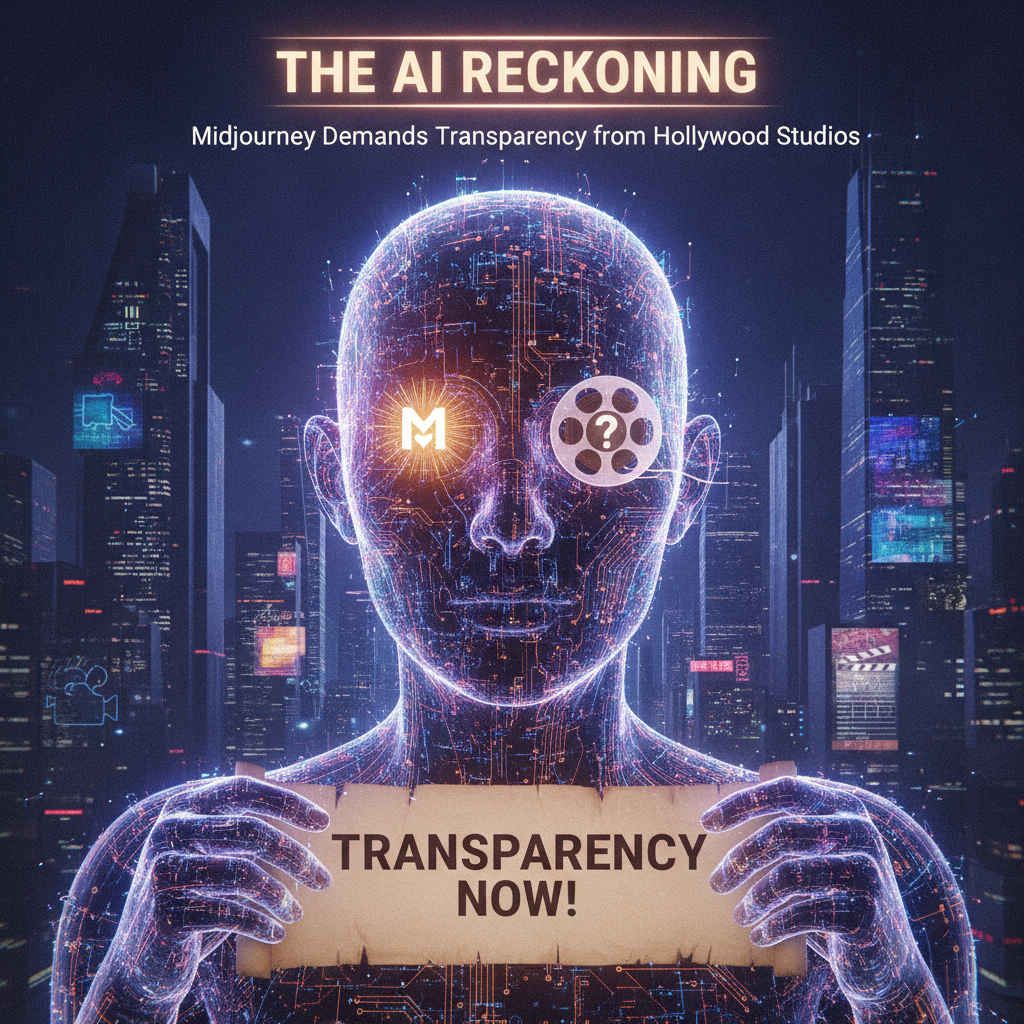
As artificial intelligence rapidly reshapes the creative landscape, Midjourney, a frontrunner in generative AI, is pushing for unprecedented transparency from Hollywood. This move signals a critical juncture for intellectual property, creator rights, and the future of filmmaking.
The Blurring Lines: AI’s Inroads into Hollywood
Hollywood has always been a cradle of innovation, quick to adopt technologies that push the boundaries of storytelling. From CGI to motion capture, advancements have consistently revolutionized the silver screen. Now, the spotlight is firmly on Artificial Intelligence, with generative AI tools like Midjourney demonstrating astonishing capabilities in image and video creation.
Studios are increasingly exploring AI for a myriad of tasks: generating visual effects, creating synthetic actors, assisting with script development, de-aging performers, and even crafting entire scenes. The allure is clear: increased efficiency, reduced costs, and the ability to realize previously impossible creative visions. However, this rapid adoption has also ignited fervent debates about ethical implications, intellectual property rights, and the very definition of creativity.
Midjourney’s Bold Call for Disclosure
At the forefront of these discussions is Midjourney, a powerful AI image generator that has democratized high-quality visual creation. Recognizing the profound impact their technology, and AI in general, is having on the entertainment industry, Midjourney has taken a significant step: they are calling on Hollywood studios to reveal the intricate details of their AI usage.
This isn’t merely a request; it’s a demand for accountability and clarity in an increasingly opaque field. Midjourney’s push for transparency highlights a growing consensus among AI developers and creators that the rapid integration of AI necessitates clear guidelines and open communication, particularly when it touches on the sensitive areas of content creation and human artistry.
Why Transparency Matters: Unpacking the Core Issues
Midjourney’s demand isn’t arbitrary. It stems from a confluence of critical issues that have emerged with the proliferation of AI in creative industries:
- Intellectual Property & Copyright: A paramount concern is the ownership of AI-generated content. If an AI is trained on vast datasets of existing copyrighted works, what are the implications for derivative works? Who owns the output? And how are the original creators protected or compensated?
- Creator Rights & Compensation: As AI tools become more sophisticated, the line between human and machine contribution blurs. Artists, writers, and technicians are justifiably concerned about job displacement, fair compensation, and proper attribution for their work when AI assists or takes over tasks.
- Ethical & Authenticity Concerns: The rise of deepfakes, synthetic media, and AI-generated personas raises questions about authenticity and trust. Audiences and consumers may have a right to know if what they are seeing is entirely human-made, partially AI-generated, or fully synthetic.
- Training Data & Bias: AI models are only as good and as ethical as the data they’re trained on. Transparency around training data can help identify and mitigate biases, ensuring fairer and more representative content.
- Setting Precedents: Hollywood, as a global cultural powerhouse, often sets industry standards. How it addresses AI usage will likely influence other creative sectors, from music to gaming and publishing.
Hollywood’s Dilemma: Innovation vs. Accountability
For Hollywood studios, Midjourney’s demand presents a significant challenge. On one hand, AI offers undeniable advantages in production pipelines, creative exploration, and cost efficiency. On the other, full disclosure could expose them to:
- Legal Scrutiny: Potential lawsuits regarding copyright infringement or unfair labor practices if AI usage isn’t handled ethically.
- Public Relations Backlash: Concerns from audiences and creative communities about the ‘human touch’ being lost or jobs being jeopardized.
- Union Negotiations: Further complexity in discussions with guilds and unions, which have already voiced strong concerns about AI’s role.
Navigating this complex landscape requires a delicate balance between embracing technological progress and upholding ethical responsibilities to creators and audiences.
The Road Ahead: Towards a Transparent Future?
Midjourney’s call for transparency is a pivotal moment, forcing Hollywood to confront the implications of its accelerating AI adoption. This could lead to several outcomes:
- Industry Standards: The development of new industry-wide protocols for AI usage, disclosure, and attribution.
- Regulatory Frameworks: Increased pressure for legislative bodies to create clearer laws around AI, copyright, and creative output.
- New Union Agreements: Revised contracts and agreements between studios and creative unions that specifically address AI integration and its impact on human labor.
- Technological Solutions: Development of tools that can watermark AI-generated content or provide metadata about its creation process.
The dialogue initiated by Midjourney isn’t just about revealing details; it’s about fostering a more equitable, ethical, and sustainable future for creativity in the age of artificial intelligence. It’s a reminder that as technology evolves, so too must our commitment to transparency and the protection of human ingenuity.
Leave a Reply