

The Darwin’s Paradox Review conversation has grown steadily among gamers who enjoy creative indie titles and unusual gameplay mechanics. When a game introduces a stealth-focused octopus exploring a dangerous world, curiosity naturally follows. It sounds strange at first—but sometimes the strangest ideas create the most memorable experiences.
Developed by ZeDrimeTim and published with support from Konami, Darwin’s Paradox! blends stealth, exploration, and environmental puzzles into one cohesive adventure. The subtitle Passive Prowling Polypus reflects the game’s core concept: survival through patience and strategy rather than brute force.
In simple terms, this game rewards clever thinking.
Let’s break down the full Darwin’s Paradox Review, including gameplay mechanics, story design, performance, and whether the experience justifies your time.
What Is Darwin’s Paradox?
4
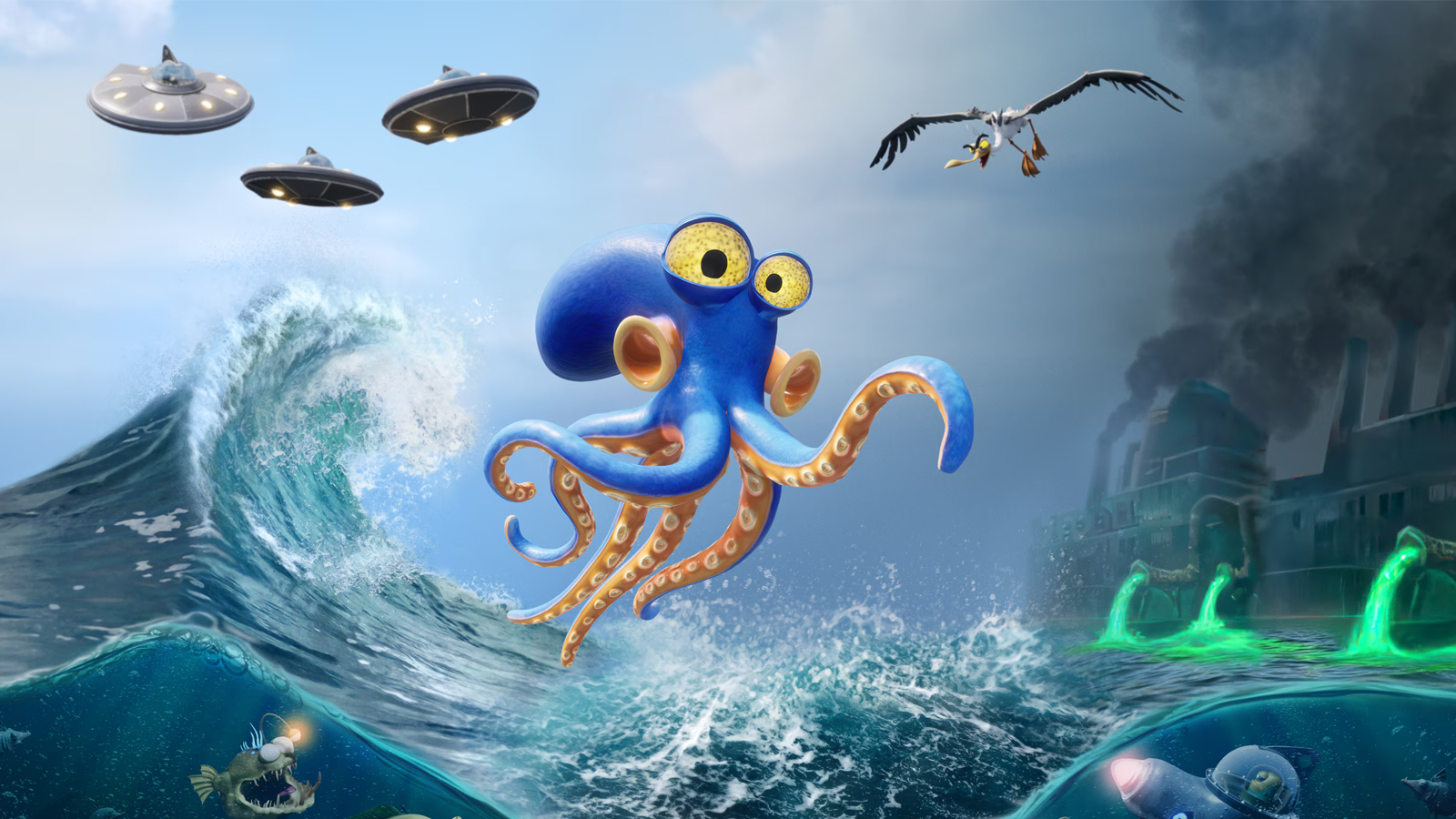
Darwin’s Paradox! is a side-scrolling adventure game where players control an octopus trapped in a hostile environment. The world mixes natural ocean settings with industrial hazards, creating a constant sense of danger.
The game emphasizes:
- Stealth gameplay
- Environmental puzzles
- Careful movement
- Survival mechanics
Instead of fighting enemies directly, players avoid detection and use the environment to stay safe.
That design choice immediately sets the tone.
This is not a fast-paced action game. It is a thinking game.
Story Overview in Darwin’s Paradox Review
The story follows Darwin, an intelligent octopus who escapes from captivity and attempts to return to the ocean. Along the way, he encounters mechanical threats, human interference, and environmental obstacles.
The narrative explores themes such as:
- Survival
- Adaptation
- Curiosity
- Environmental awareness
The storyline unfolds gradually through gameplay rather than long cutscenes. That approach keeps players engaged without overwhelming them with exposition.
Gameplay Mechanics Explained
The gameplay structure forms the heart of this Darwin’s Paradox Review.
Stealth-Based Movement
Darwin relies on stealth to survive.
Players must:
- Hide behind objects
- Move quietly
- Avoid light sources
- Stay out of enemy sight
Mistakes carry consequences.
If enemies detect Darwin, escape becomes difficult.
Environmental Interaction
The environment plays a major role in gameplay.
Players can:
- Manipulate objects
- Open pathways
- Solve puzzles
- Trigger distractions
These interactions create variety and challenge.
Puzzle Design
Puzzle mechanics encourage logical thinking.
Examples include:
- Timing movements carefully
- Finding hidden routes
- Using tools creatively
The puzzles rarely feel unfair. Instead, they reward observation and patience.
Graphics and Visual Design
Visual presentation plays a critical role in immersion.
Detailed Environments
The game features highly detailed backgrounds.
Players will notice:
- Dynamic lighting
- Realistic water effects
- Industrial textures
- Atmospheric shadows
These elements create tension.
Character Animation
Darwin moves smoothly across surfaces.
His animations feel natural and responsive.
Small details—like tentacle movement—add personality.
Art Direction
The art style blends realism with stylized design.
This balance keeps the game visually appealing without sacrificing performance.
Sound Design and Music
Audio design enhances the overall experience.
Ambient Sound Effects
Players hear:
- Water movement
- Machinery noise
- Environmental echoes
These sounds build atmosphere.
Music Composition
The soundtrack uses subtle melodies rather than loud action themes.
This approach supports stealth gameplay.
Music intensifies during tense moments, guiding player emotions.
Performance and Technical Stability
Performance remains an important factor in any game review.
Frame Rate Stability
Early testing shows consistent frame rates across modern systems.
Smooth performance improves gameplay accuracy.
Loading Times
Loading screens remain short.
Players can transition between areas quickly.
Optimization
The game runs efficiently on current-generation hardware, including:
- PlayStation 5
- Xbox Series X
- PC
Stable performance reduces frustration.
Difficulty Level and Learning Curve
Difficulty balance determines long-term enjoyment.
Beginner Accessibility
New players can understand controls quickly.
Tutorial sections introduce mechanics clearly.
Increasing Challenge
The game gradually becomes more demanding.
Later levels require:
- Precise timing
- Strategic planning
- Problem-solving skills
This progression keeps gameplay engaging.
Strengths Highlighted in Darwin’s Paradox Review
Several features stand out positively.
Unique Concept
Playing as an octopus immediately feels different.
The concept alone attracts attention.
Strong Atmosphere
The environment creates tension without relying on constant action.
That design improves immersion.
Smart Puzzle Design
Puzzles feel logical and rewarding.
Players rarely feel stuck for long.
Weaknesses Noted in Darwin’s Paradox Review
No game is perfect.
Slower Gameplay Pace
Some players may find the pacing slow.
Action-focused gamers might prefer faster titles.
Limited Combat Options
The lack of combat may disappoint players who enjoy fighting mechanics.
However, this choice supports the stealth focus.
Who Should Play Darwin’s Paradox?
This game appeals to specific audiences.
Ideal Players
- Puzzle enthusiasts
- Stealth game fans
- Story-driven gamers
- Indie game supporters
Less Suitable Players
- Fast-action gamers
- Competitive multiplayer players
- Combat-focused players
Understanding your preferences helps set expectations.
How Darwin’s Paradox Compares to Similar Games
Comparisons provide helpful context.
Similar Titles
Games with comparable mechanics include:
- Inside
- Little Nightmares
- Limbo
These titles share:
- Atmospheric storytelling
- Puzzle-driven gameplay
- Minimal dialogue
Replay Value and Longevity
Replay value depends on content variety.
Exploration Incentives
Hidden collectibles encourage multiple playthroughs.
Players may revisit levels to discover missed secrets.
Skill Improvement
Players often improve performance with experience.
Mastering stealth routes increases satisfaction.
Final Verdict in Darwin’s Paradox Review
The full Darwin’s Paradox Review reveals a thoughtful and creative game that focuses on strategy rather than speed. Its unique concept, strong atmosphere, and intelligent puzzle design make it stand out in the indie gaming space.
Here is the simple summary:
Pros
- Unique gameplay concept
- Strong visual design
- Smart puzzle mechanics
- Immersive atmosphere
Cons
- Slower pacing
- Limited combat
For players who enjoy stealth and problem-solving, the experience feels rewarding and memorable.
And sometimes, controlling a clever octopus quietly sneaking through danger turns out to be far more exciting than charging into battle.