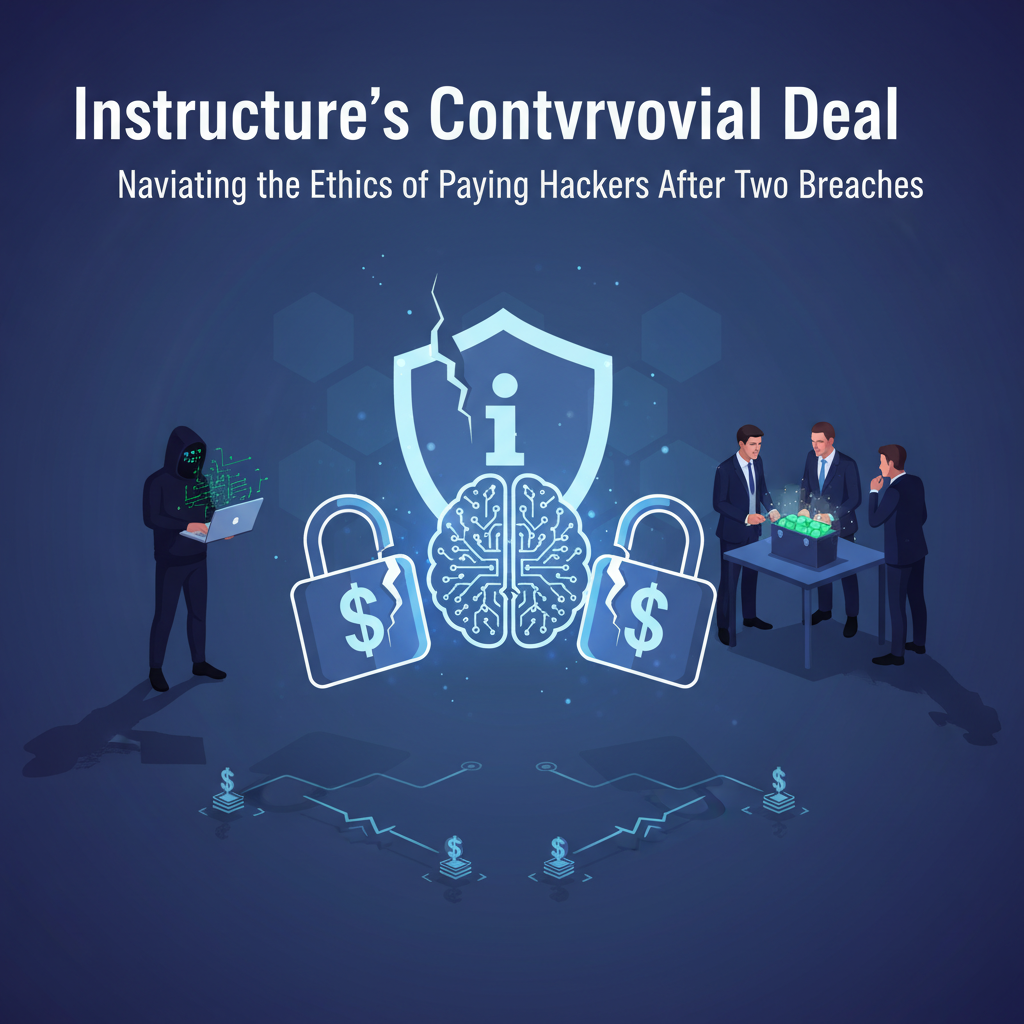
In a move that has sent ripples through the cybersecurity and business communities, educational technology giant Instructure has confirmed striking a deal with the very hackers responsible for breaching its systems not once, but twice. This unprecedented situation, originating from a 2026 incident reported by TechCrunch, raises critical questions about corporate incident response, the ethics of negotiating with cybercriminals, and the true cost of data security in an increasingly vulnerable digital landscape.
The Double Breach: A Troubling Pattern for Instructure
Instructure, best known for its Canvas Learning Management System (LMS), is a cornerstone of digital education globally. The revelation of two successful breaches by the same threat actors underscores significant concerns about their security posture and the persistent vulnerabilities that allowed a repeat intrusion.
- First Breach: While specifics remain undisclosed, the initial attack likely involved the exfiltration of sensitive data, potential disruption to services, or unauthorized access to critical infrastructure.
- Second Breach: The alarming aspect is the subsequent breach by the same group. This suggests either a failure to fully remediate the initial vulnerabilities, persistent backdoors, or an advanced, targeted campaign that exploited new weaknesses after the first incident.
For a company entrusted with vast amounts of educational data – from student records to institutional information – such a repeated failure to secure its environment is a severe blow to its reputation and user trust.
The Deal: A Desperate Measure or Strategic Necessity?
The decision by Instructure to strike a deal with its tormentors is fraught with ethical and practical dilemmas. While the exact terms of the agreement are not public, such deals typically involve:
- Ransom Payment: Financial compensation to prevent the leak of stolen data, unlock encrypted systems, or cease further attacks.
- Non-Disclosure Agreement: An agreement by the hackers not to publicize the breach or future vulnerabilities.
- Security Information Exchange: In rare cases, hackers might provide details on the vulnerabilities exploited in exchange for payment, akin to a controversial ‘bug bounty’ program for criminal activity.
Instructure’s motivation for such a deal could stem from a variety of pressures: the immense cost of ongoing business disruption, the catastrophic potential of further data leaks, the desire to recover stolen information, or to avoid protracted legal battles and regulatory fines. However, this approach stands in stark contrast to traditional cybersecurity advice, which generally discourages negotiating with cybercriminals due to the risk of encouraging future attacks and funding illicit activities.
Ethical and Legal Quandaries of Paying Cybercriminals
The Moral Compass: Rewarding Bad Behavior?
The most immediate ethical concern is whether paying hackers legitimizes their actions and emboldens other cybercriminals. It sets a precedent that companies, particularly those holding valuable data, might be willing to pay to resolve a crisis rather than focusing solely on prevention and traditional recovery methods. This could inadvertently fuel the ransomware and data extortion ecosystem.
Legal and Compliance Complexities
Operating under regulations like GDPR, CCPA, and various industry-specific mandates, Instructure faces significant legal scrutiny. A deal with hackers could have implications for:
- Reporting Requirements: Does the deal affect transparency obligations to affected individuals and regulatory bodies?
- Sanctions Compliance: If the hackers are linked to sanctioned entities or states, payments could inadvertently violate international laws.
- Civil Litigation: Affected users or institutions might pursue legal action, arguing that the deal prioritized corporate damage control over their data security.
Erosion of User Trust
For an educational platform, trust is paramount. Students, parents, and institutions rely on Instructure to safeguard sensitive personal and academic data. The revelation of repeat breaches followed by a deal with the perpetrators could severely erode this trust, leading to user exodus and significant reputational damage.
Lessons Learned: Fortifying Defenses Against Repeat Attacks
Instructure’s situation serves as a stark warning and a critical learning opportunity for organizations across all sectors. Preventing repeat breaches and avoiding the desperate measure of negotiating with attackers requires a multi-faceted and proactive cybersecurity strategy:
1. Robust Vulnerability Management & Patching
- Implement continuous vulnerability scanning and penetration testing.
- Ensure a rigorous patch management process to close known security gaps swiftly.
- Conduct thorough post-incident forensic analysis to identify root causes and ensure complete eradication of threats.
2. Advanced Threat Detection and Response (EDR/MDR)
- Deploy Endpoint Detection and Response (EDR) and Managed Detection and Response (MDR) solutions for real-time threat monitoring.
- Utilize Security Information and Event Management (SIEM) systems for centralized log analysis and threat intelligence.
3. Zero-Trust Architecture
- Assume no user or device can be trusted by default, regardless of whether they are inside or outside the network perimeter.
- Implement stringent access controls, multi-factor authentication (MFA), and micro-segmentation.
4. Comprehensive Incident Response Planning
- Develop and regularly test a detailed incident response plan that covers detection, containment, eradication, recovery, and post-incident analysis.
- Establish clear communication protocols for stakeholders, including legal, PR, and regulatory bodies.
- Consider tabletop exercises to simulate repeat breach scenarios and refine response strategies.
5. Employee Security Awareness Training
- Regularly train employees on phishing recognition, secure coding practices (for developers), and general cybersecurity hygiene.
- Human error often remains the weakest link in an organization’s security chain.
The Future of Cybersecurity Response
Instructure’s deal with repeat hackers might be a sign of evolving tactics in the face of increasingly sophisticated cyber threats. While controversial, it highlights the immense pressure companies face. This incident will undoubtedly prompt further debate on the role of cyber insurance, governmental intervention, and the potential for a more formalized, albeit ethically challenging, framework for engaging with cybercriminals in extreme circumstances.
Conclusion: A Wake-Up Call for All Organizations
The Instructure double breach and subsequent deal underscore the critical need for robust, adaptive cybersecurity strategies. While the immediate crisis might be averted for Instructure, the long-term implications for its reputation and the broader cybersecurity landscape are profound. Organizations must move beyond reactive measures and invest in proactive, multi-layered security strategies to protect their data, their reputation, and their stakeholders from the relentless and evolving threats of the digital age. Prevention remains the best defense, but an ethical, well-prepared incident response plan is now more crucial than ever.
Leave a Reply