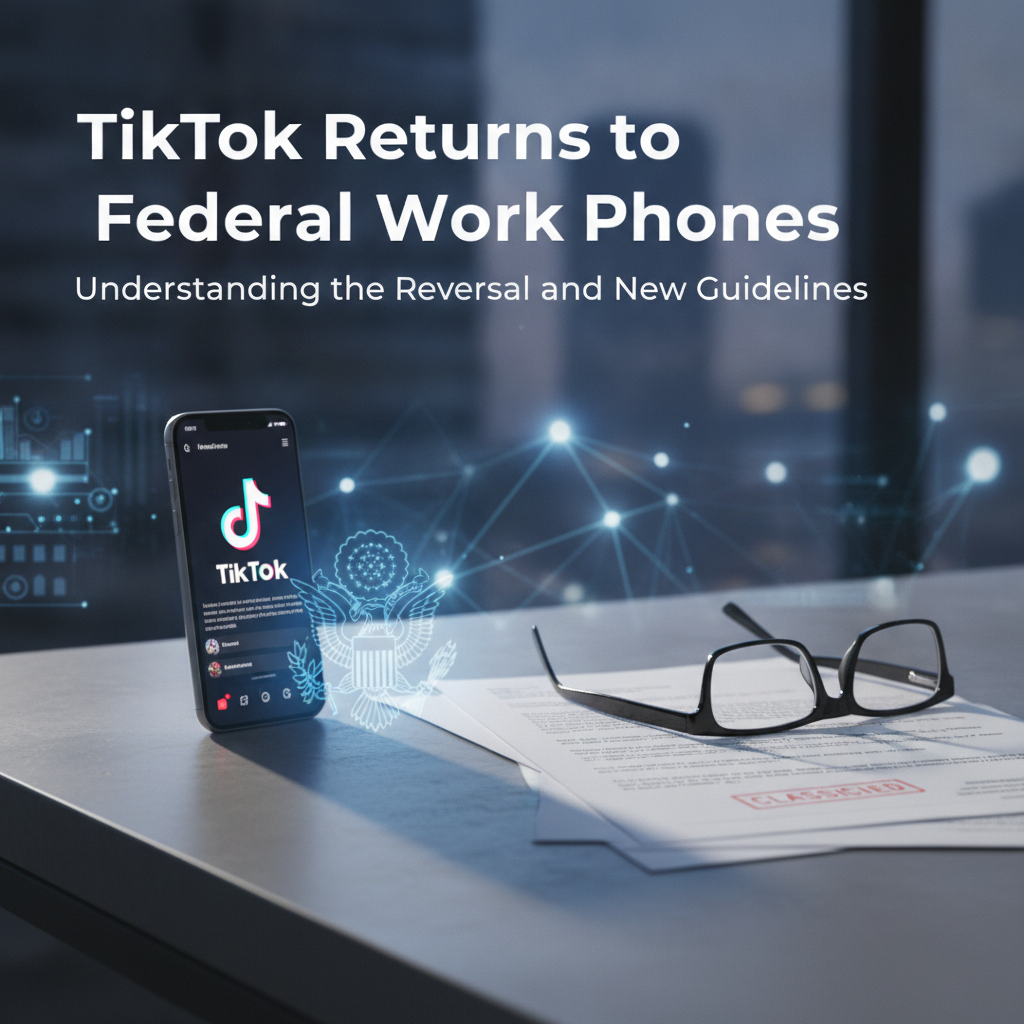
After years of restrictions, a significant policy shift has just been announced: federal employees can now download and use TikTok on their government-issued work phones again. This groundbreaking decision, effective immediately, marks a major reversal of the ban that swept across federal agencies, driven by national security and data privacy concerns.
The original prohibition, which began in 2020 and solidified across numerous federal bodies, cited fears that TikTok’s parent company, ByteDance, could be compelled by the Chinese government to share U.S. user data, posing a potential intelligence risk. Now, following extensive reviews, newly implemented security protocols, and specific agreements, the landscape has changed.
But what does this mean for the millions of federal workers, their agencies, and the broader cybersecurity posture of the U.S. government? Let’s dive into the details.
The Road to Reinstatement: Why the Ban Was Lifted
The decision to lift the ban wasn’t made lightly. Multiple sources within the Office of Management and Budget (OMB) and the Cybersecurity and Infrastructure Security Agency (CISA) indicate a multi-year effort involving:
- Enhanced Security Frameworks: The government has established a new, stringent set of security requirements for all third-party applications permissible on federal devices. TikTok, after considerable modifications and commitments, has reportedly met these enhanced standards.
- TikTok’s Data Localization Commitments: A key factor in the reversal is TikTok’s implementation of a highly secured, U.S.-based data repository for all data pertaining to U.S. government users. This infrastructure is said to operate under independent third-party auditing and oversight, physically and logically separating federal employee data from other user data pools.
- Rigorous Vetting by CISA: CISA, working with various intelligence agencies, conducted an exhaustive security audit of TikTok’s updated application and backend infrastructure. This included penetration testing and source code reviews, confirming that identified vulnerabilities and data exfiltration risks have been adequately mitigated for government-level use.
- Strategic Re-evaluation: A broader policy review recognized the increasing role of social media in public outreach, communication, and even specialized governmental functions. Maintaining a blanket ban on a widely used platform was deemed potentially counterproductive to certain agency missions, provided robust safeguards could be established.
What This Means for Federal Employees
While the ban is lifted, it’s crucial for federal employees to understand that this is not a blanket endorsement for unfettered personal use. Agencies will issue their own specific guidelines, which are expected to include:
- Agency-Specific Policies: Expect individual agencies (e.g., DoD, State Dept., IRS) to release their own detailed directives on TikTok usage, aligning with their unique security postures and mission requirements. Some might still restrict use in highly sensitive departments.
- Official Use Primarily: The primary intent behind this reversal is to allow for legitimate official use cases, such as public engagement, recruitment, policy communication, and specialized research. Personal use, while now permitted, will likely come with strong recommendations for caution and segregation.
- Data Handling and Privacy: Employees will be mandated to adhere to strict data classification policies, avoiding the sharing of sensitive or proprietary government information on the platform. Training on privacy settings and responsible digital citizenship will be a requirement.
- Application Containerization: Many agencies are expected to deploy TikTok within secure, isolated containers on government devices, ensuring that the app’s access to other device data and functionalities is strictly limited and monitored.
Navigating the New Digital Landscape: Challenges and Opportunities
For IT and Cybersecurity Teams:
The lifting of the ban presents both new responsibilities and opportunities for federal IT and cybersecurity personnel:
- Mobile Device Management (MDM) Updates: Integrating TikTok securely will require significant updates to MDM policies, ensuring proper provisioning, monitoring, and de-provisioning of the application.
- Continuous Monitoring: Robust threat detection and incident response capabilities must be in place to monitor TikTok’s behavior and detect any potential anomalies or compliance breaches.
- User Training: Comprehensive training programs are essential to educate employees on acceptable use, privacy best practices, and the risks associated with social media on government devices.
For Agencies:
- Policy Development: Agencies must swiftly develop clear, actionable policies that balance security, productivity, and the potential benefits of engaging on TikTok.
- Risk Assessment: Ongoing risk assessments related to data exposure, foreign influence, and insider threats will be critical.
- Public Engagement: For agencies involved in public communication, TikTok could offer a new, dynamic channel to reach younger demographics and share information efficiently, provided content is carefully curated and approved.
Beyond TikTok: Setting a Precedent?
This policy reversal could signify a broader shift in how the U.S. government approaches technology policy and national security in an interconnected world. It suggests a move away from outright bans towards a more nuanced approach of stringent vetting, risk mitigation, and regulated integration.
The precedent set by TikTok’s return could influence future decisions regarding other foreign-owned applications or technologies facing similar scrutiny, paving the way for a framework that prioritizes robust security measures over blanket prohibitions.
Best Practices for Responsible Use
Even with the ban lifted, vigilance is paramount. Federal employees are advised to:
- Know Your Agency’s Policy: Always refer to and strictly follow your specific agency’s guidelines for using TikTok.
- Separate Personal & Professional: Where possible, maintain clear distinctions between personal and official use, perhaps even considering a personal device for non-work-related TikTok activities.
- Guard Sensitive Information: Never discuss or share classified, sensitive, or proprietary government information on TikTok, regardless of its new security status.
- Update Regularly: Keep the TikTok app and your device’s operating system updated to benefit from the latest security patches.
- Report Suspicious Activity: If you notice anything unusual or suspicious related to the app’s behavior, report it immediately to your agency’s IT or cybersecurity department.
Conclusion
The return of TikTok to federal work phones is a monumental development, reflecting a complex interplay of national security imperatives, technological advancements, and evolving policy considerations. It signals a new era where collaboration and stringent security frameworks might replace outright bans, allowing federal workers to leverage modern tools while still safeguarding critical national interests.
As federal agencies navigate this new digital terrain, the success of this policy reversal will hinge on continuous oversight, adaptive security measures, and the informed, responsible conduct of every federal employee. The coming months will undoubtedly reveal the full implications of this landmark decision.