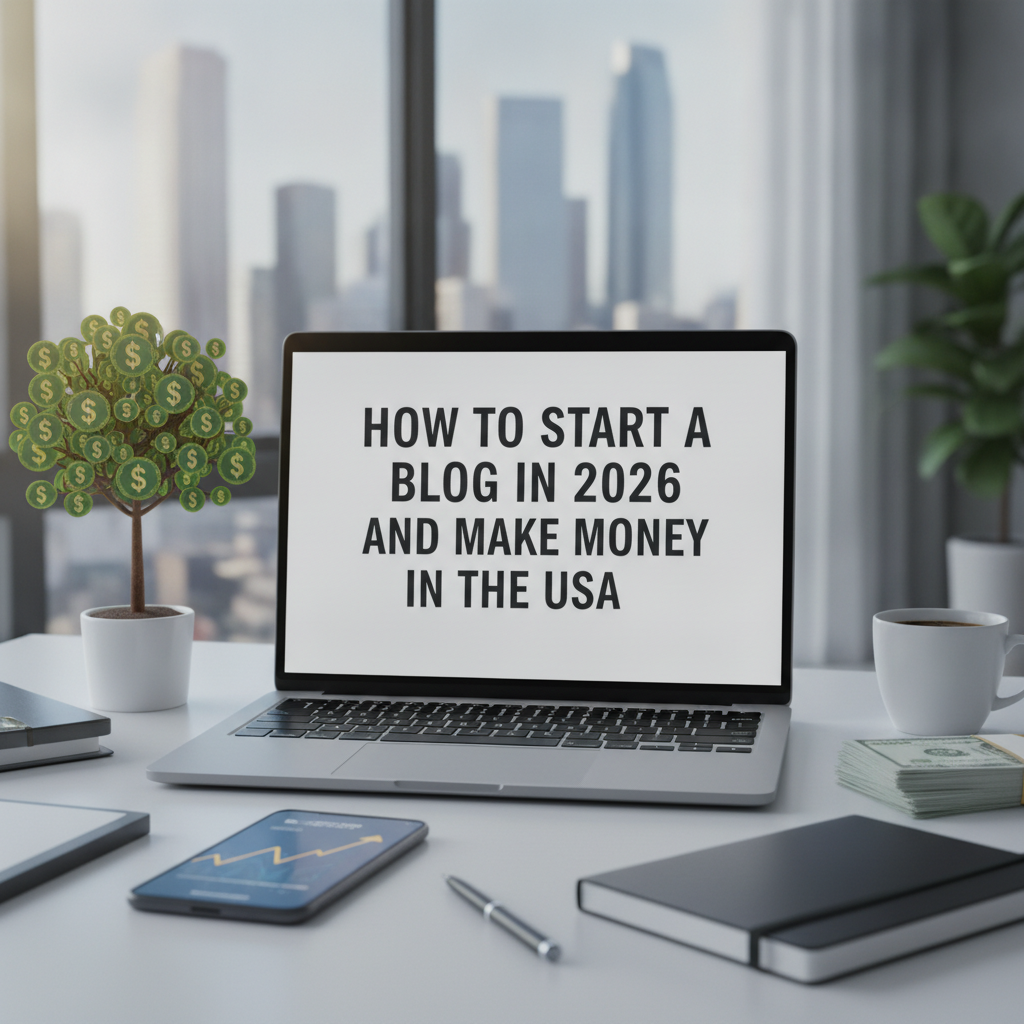
The digital landscape is constantly evolving, yet one truth remains: content is king. As we look ahead to 2026, the opportunity to start a blog and build a profitable online business from the USA is not only alive but thriving for those who understand the new rules of engagement. Forget the outdated advice; this guide will equip you with a forward-thinking strategy to launch, grow, and monetize a successful blog in the modern era.
Whether you’re dreaming of a side hustle, financial independence, or becoming an authority in your niche, the journey starts now. Let’s dive into how to build a blog that stands out, serves its audience, and generates significant income in the United States by 2026.
1. The Foundation: Building Your Future-Proof Blog (2026 Edition)
Starting strong is crucial. In 2026, this means making intelligent choices from the outset, leveraging technology, and prioritizing user experience.
1.1 Find Your Niche (and Future-Proof It)
The era of generic blogs is over. By 2026, hyper-focused niches dominate. Consider:
- Passion & Expertise: What genuinely interests you and what are you knowledgeable about? Authenticity builds trust.
- Audience Demand: Use tools like Google Trends, Ahrefs, or Semrush to identify trending topics, unmet information needs, or evergreen subjects with consistent search volume. Look for sub-niches within larger categories.
- Monetization Potential: Can you sell products, services, or run ads effectively in this niche?
- AI-Assisted Research: Leverage AI tools to analyze market gaps, competitor content, and future topic predictions.
1.2 Choose Your Platform & Hosting Wisely
While new platforms may emerge, the core recommendations for reliability and scalability remain:
- WordPress.org (Self-Hosted): Still the gold standard for flexibility, control, and monetization options. It allows for limitless customization and ownership of your content.
- Premium Hosting: Invest in reputable hosting providers with excellent uptime, fast loading speeds, and robust security. For US audiences, choosing a host with US-based servers can improve performance. Companies like Bluehost, SiteGround, or WP Engine are popular choices.
- Domain Name: Choose a memorable, brandable, and relevant domain name (.com is still preferred). Secure it quickly!
1.3 Essential Setup & Design
- Mobile-First Design: With most internet usage on mobile devices, your blog must be responsive and provide an exceptional mobile experience.
- Speed Optimization: Google prioritizes fast-loading sites. Optimize images, use caching plugins, and minimize unnecessary code.
- User Experience (UX): Intuitive navigation, clear calls to action, and easy-to-read formatting keep visitors engaged.
- Analytics: Install Google Analytics and Google Search Console from day one to track performance and understand your audience.
2. Content Strategy for the Modern Blogger (2026)
Content quality and strategy are paramount. Google’s E-E-A-T (Experience, Expertise, Authoritativeness, Trustworthiness) guidelines will be even more critical by 2026.
2.1 Embrace Generative AI (Strategically)
AI isn’t replacing content writers, but it’s an indispensable tool for:
- Research & Outlining: Quickly gather information, generate content ideas, and structure posts.
- Drafting & Brainstorming: Overcome writer’s block and create initial drafts that you then heavily edit and infuse with your unique voice and experience.
- Optimization: Use AI to suggest SEO improvements, summarize content, or generate meta descriptions.
Remember: AI should assist, not replace, human creativity and expertise. Google will continue to reward original, insightful, and helpful human-created content.
2.2 Prioritize Evergreen, In-Depth Content
Focus on comprehensive guides, tutorials, and informational articles that remain relevant over time. These become long-term traffic drivers and authority builders.
2.3 Multimedia & Interactivity
Static text is less engaging. Incorporate:
- High-Quality Images & Graphics: Break up text and illustrate points.
- Video Content: Embed relevant YouTube videos (yours or others’).
- Infographics: Present complex data visually.
- Quizzes & Polls: Boost engagement and gather audience insights.
2.4 Master SEO (Search Engine Optimization)
SEO in 2026 is about understanding user intent and semantic search:
- Keyword Research: Go beyond single keywords. Research long-tail keywords, related terms, and questions your audience asks.
- On-Page SEO: Optimize titles, headings, meta descriptions, image alt text, and internal linking.
- Technical SEO: Ensure your site is crawlable, mobile-friendly, and secure (HTTPS).
- E-E-A-T: Showcase your expertise through author bios, case studies, personal experiences, and citations from authoritative sources.
3. Monetization Strategies for US Bloggers in 2026
Making money from your blog in the USA involves diversifying your income streams. Relying on just one method is risky; a mix provides stability and growth.
3.1 Affiliate Marketing
Promote products and services you genuinely use and recommend. When readers click your unique link and make a purchase, you earn a commission.
- Popular US Programs: Amazon Associates, ShareASale, CJ Affiliate, Rakuten Advertising.
- Ethical Disclosure: Always disclose affiliate links clearly, as required by the FTC in the USA.
3.2 Advertising Networks
Once you have significant traffic, display ads can be a passive income stream.
- Google AdSense: A good starting point for new blogs.
- Premium Ad Networks: For higher traffic blogs (e.g., 50k+ sessions/month), networks like Mediavine or AdThrive offer significantly higher RPMs (Revenue Per Mille/Thousand views).
3.3 Selling Your Own Digital Products
This is often the most profitable method as you keep the majority of the revenue.
- Ebooks & Guides: Share your expertise in a downloadable format.
- Online Courses: Create in-depth video or text courses on platforms like Teachable or Thinkific.
- Templates & Presets: For niches like graphic design, photography, or social media.
- Software or Apps: If you have technical skills, this can be highly lucrative.
3.4 Services & Consulting
Leverage your blog’s authority to offer paid services:
- Coaching: One-on-one or group sessions.
- Consulting: Offer your expertise to businesses in your niche.
- Freelance Writing/Speaking: Position yourself as an expert and attract opportunities.
3.5 Sponsored Content & Brand Partnerships
Collaborate with brands for sponsored posts, product reviews, or social media campaigns. Ensure the brands align with your audience and values.
- Disclosure is Key: The FTC requires clear disclosure for sponsored content.
3.6 Memberships & Subscriptions
Offer exclusive content, a private community, or advanced resources behind a paywall.
- Patreon: For creators offering ongoing value.
- Membership Plugins: For WordPress, platforms like MemberPress.
4. Building Your Audience and Authority in the USA
Traffic is the lifeblood of a profitable blog. In 2026, building a loyal audience requires a multi-faceted approach.
4.1 Advanced SEO & Semantic Search
Beyond keywords, focus on answering user questions comprehensively. Google’s algorithms are increasingly sophisticated, understanding the context and intent behind queries. Optimize for featured snippets and voice search.
4.2 Social Media Dominance (Strategic Use)
Don’t try to be everywhere. Focus on platforms where your target audience spends their time.
- TikTok & Instagram Reels: For short-form video content and quick tips.
- Pinterest: Powerful for visual niches (food, DIY, fashion, travel).
- YouTube: An excellent platform for tutorials, reviews, and expanding your reach.
- LinkedIn: For B2B or professional niches.
4.3 Email Marketing (Your Most Valuable Asset)
An email list is direct access to your audience, independent of algorithms. Offer valuable lead magnets (e.g., free guides, checklists) to encourage sign-ups.
- Platforms: Mailchimp, ConvertKit, ActiveCampaign.
- Nurture Sequences: Build relationships and trust through automated email sequences.
4.4 Community Building & Engagement
Foster a community around your blog. Respond to comments, engage on social media, and consider a private Facebook group or forum.
4.5 Networking & Collaborations
Connect with other bloggers and influencers in your niche. Guest posting, joint webinars, or social media shout-outs can expose you to new audiences.
5. Legal and Financial Considerations for US Bloggers (2026)
Operating a blog for profit in the USA means understanding your legal and tax obligations.
5.1 Business Structure
- Sole Proprietorship: Simplest to set up, but offers no personal liability protection. Your business and personal assets are not separated.
- LLC (Limited Liability Company): Recommended for most profitable bloggers. It separates your personal assets from your business liabilities and offers tax flexibility. Consult with an attorney or accountant to determine the best structure for your situation.
5.2 Tax Implications
- Self-Employment Tax: As a self-employed individual, you’ll be responsible for both the employer and employee portions of Social Security and Medicare taxes.
- Income Tax: Your blog income is taxable. It’s wise to set aside a portion of your earnings for taxes throughout the year and make estimated tax payments quarterly to the IRS.
- Sales Tax (on Digital Products/Services): Depending on your state and what you sell, you may be required to collect and remit sales tax on digital products or services. This is a complex area, and laws vary significantly by state, especially after the Wayfair decision.
- State & Local Taxes: Don’t forget state income taxes and potential local business taxes or licenses.
- Record Keeping: Maintain meticulous records of all income and expenses for tax purposes. Consider accounting software like QuickBooks Self-Employed.
5.3 Disclosures & Privacy
- FTC Disclosure: Clearly disclose any affiliate links, sponsored content, or free products received in exchange for reviews.
- Privacy Policy: A legally required document that informs users about what data you collect, how you use it, and how they can control it.
- Terms of Service: Outlines the rules for using your blog.
- Cookie Consent: Comply with US state privacy laws (e.g., CCPA for California residents) regarding cookie usage.
Conclusion: Your Blog, Your Future
Starting a blog in 2026 and making money in the USA is a tangible goal, but it demands dedication, smart strategy, and continuous learning. The key is to provide immense value to your audience, adapt to technological shifts (especially AI and evolving search), and diversify your monetization efforts.
Don’t wait for the perfect moment. The blogging landscape of 2026 will reward those who start building their online presence today, cultivate genuine connections, and consistently refine their approach. Your expertise is valuable; it’s time to share it with the world and build the profitable future you envision.