
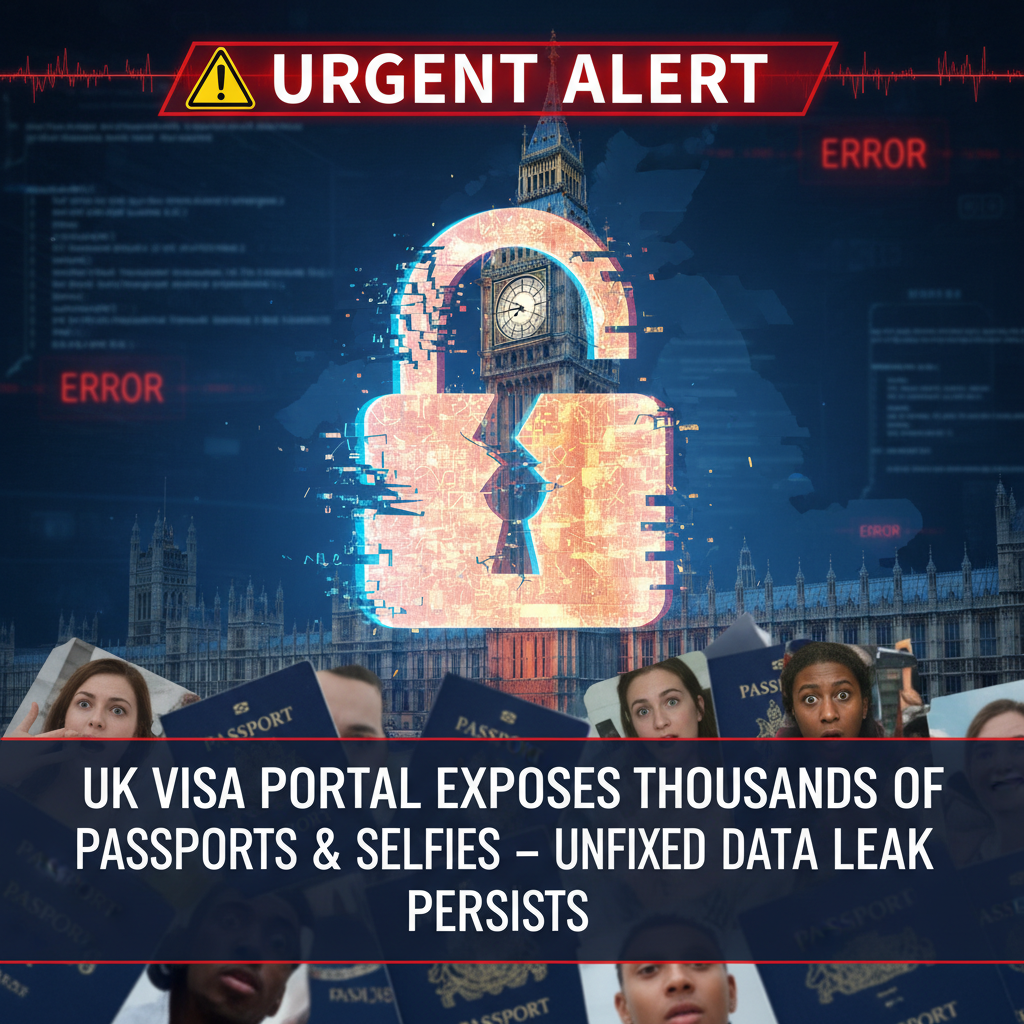
In a deeply alarming revelation that has sent shockwaves through the cybersecurity and immigration communities, the official UK Visa Portal has been found to be leaking highly sensitive personal data belonging to thousands of applicants. Passports, identification documents, and even biometric selfies are reportedly exposed online, leaving countless individuals vulnerable to identity theft and fraud. More critically, reports indicate that the gaping security vulnerability remains unfixed, potentially extending the period of exposure for sensitive personal information.
This incident raises serious questions about the digital security protocols in place for crucial government services and the urgent need for robust data protection, especially for non-UK citizens entrusting their most private information to the system.
The Breach Unpacked: What Data Was Exposed?
According to recent reports, an unauthenticated web directory or misconfigured server associated with the UK Visa application process has inadvertently made accessible a treasure trove of personal data. The scope of the leak is extensive, including:
- Full Passport Scans: Copies of applicants’ passports, containing names, dates of birth, nationalities, passport numbers, issue and expiry dates, and signatures.
- Biometric Selfies: High-resolution photographs submitted by applicants for identification purposes, which often contain sensitive biometric markers.
- Other Identifying Documents: Potentially other supporting documents used for visa applications.
The exposure of these documents is not merely a privacy breach; it’s a catastrophic security failure that places thousands of prospective visitors, workers, and residents at severe risk.
Why This Leak is Catastrophic: Identity Theft and Beyond
The combination of passport data and biometric selfies is a goldmine for malicious actors. The potential consequences for affected individuals are dire:
- Identity Theft: Malicious actors can use passport details to open fraudulent bank accounts, apply for credit, or engage in other forms of financial crime.
- Fraudulent Travel Documents: The exposed passport information could be used to create counterfeit travel documents, posing a national security risk.
- Blackmail and Extortion: With such intimate personal data, individuals could become targets for blackmail or extortion attempts.
- Sophisticated Phishing Attacks: Armed with accurate personal details, scammers can craft highly convincing phishing emails or messages, tricking victims into divulging more information or falling for scams.
- Impersonation: Biometric data, though harder to weaponize immediately, could be valuable in future advanced impersonation scenarios.
For thousands of applicants already navigating the often-stressful visa process, this leak adds an unprecedented layer of anxiety and vulnerability.
The Alarming Reality: The Leak Remains Unfixed
Perhaps the most concerning aspect of this incident is the reported inaction. Despite the severity of the data exposure, sources indicate that the vulnerability leading to the leak has not yet been fully patched or secured. This means that personal data continues to be accessible, potentially to anyone with the right knowledge or tools, compounding the risk for those affected.
The delay in remediation is unacceptable for a government portal handling such critical personal information. It suggests a lack of urgency or insufficient resources allocated to cybersecurity, undermining public trust in digital government services.
What UK Visa Applicants Should Do Now
If you have applied for a UK visa and are concerned your data may have been compromised, here are immediate steps you can take:
- Monitor Your Financial Accounts: Regularly check bank statements, credit card activity, and credit reports for any suspicious transactions or new accounts opened in your name.
- Be Vigilant Against Phishing: Exercise extreme caution with emails, calls, or messages claiming to be from official government bodies or banks, especially those asking for personal information. Verify requests independently.
- Change Passwords: If you used the same password for your visa application as for other online services, change them immediately.
- Report Suspicious Activity: If you detect any fraudulent activity or believe you are a victim of identity theft, report it to your local police and relevant financial institutions.
- Stay Informed: Follow official announcements from the UK Home Office or relevant cybersecurity agencies for updates and guidance.
- Consider a Credit Freeze: Depending on your country of residence, consider placing a freeze on your credit to prevent new accounts from being opened.
Urgent Call for Action and Accountability
This incident is a stark reminder of the fragile nature of digital privacy and the immense responsibility entities like the UK Visa Portal hold. We urge the UK government and the Home Office to:
- Immediately Secure the Vulnerability: Prioritize fixing the data leak without any further delay.
- Transparently Communicate: Provide clear, comprehensive information to all potentially affected applicants, detailing the extent of the breach and the steps being taken.
- Offer Support: Provide affected individuals with resources for identity theft protection, credit monitoring, and legal assistance.
- Conduct a Full Investigation: Identify the root cause of the vulnerability and implement robust, preventative measures to ensure such a breach never happens again.
- Strengthen Cybersecurity: Review and significantly enhance the cybersecurity infrastructure and protocols across all government digital services.
The trust placed in government portals to safeguard personal data is paramount. A breach of this magnitude, compounded by delayed resolution, erodes that trust and leaves thousands of individuals exposed to potentially life-altering risks. The time for decisive action is now.
Leave a Reply