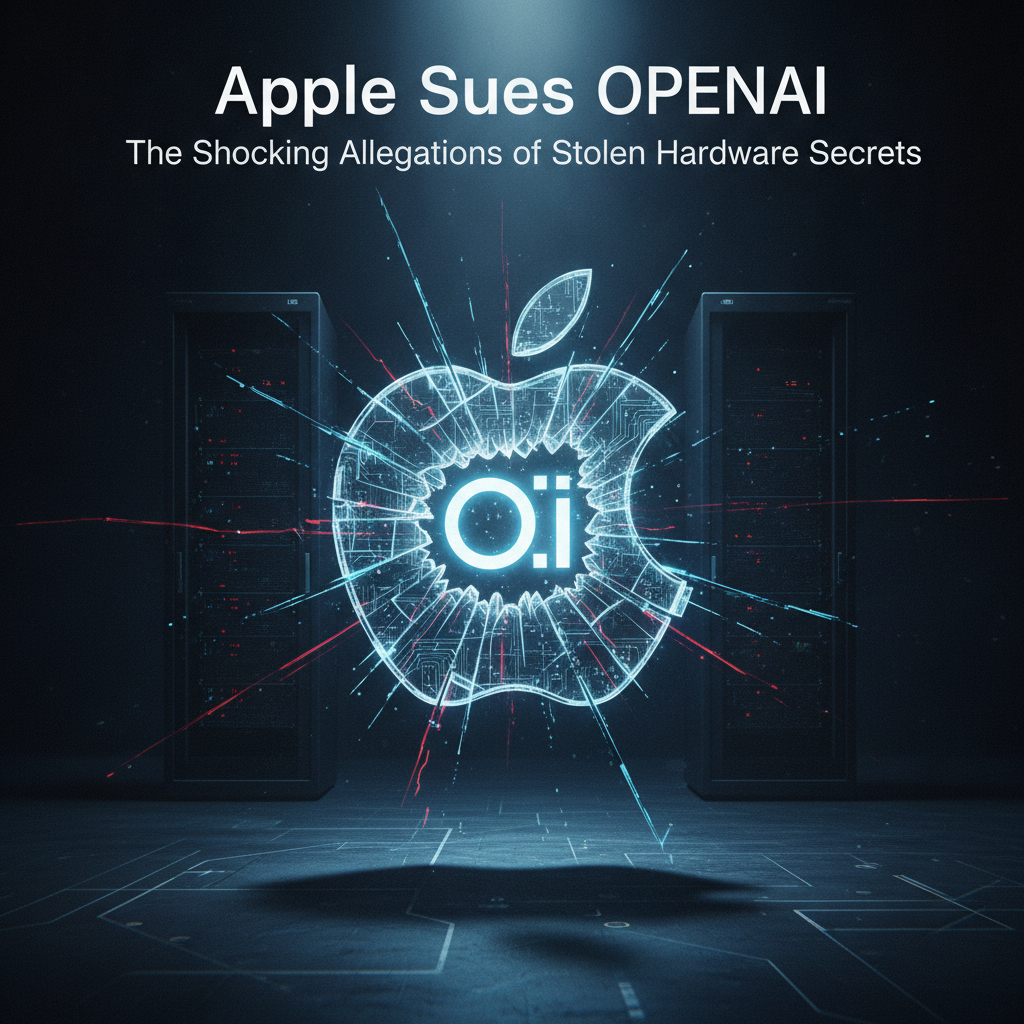
In a bombshell development that has sent ripples across the tech industry, Apple, the Cupertino giant, has reportedly filed a lawsuit against OpenAI, the trailblazing artificial intelligence company behind ChatGPT. The core of the dispute? Allegations that OpenAI has illicitly obtained and utilized Apple’s highly confidential hardware secrets and intellectual property (IP).
This lawsuit marks a significant escalation in the ongoing debate surrounding intellectual property rights in the age of generative AI, pitting two of the most influential companies in their respective fields against each other. What does this mean for the future of AI development, corporate espionage, and the sanctity of proprietary information?
The Heart of the Accusation: Stolen Hardware IP
While the full details of Apple’s filing are still emerging, the crux of the allegations centers on the theft of hardware-related intellectual property. This isn’t merely a dispute over software code or data; it points to a much deeper breach involving potentially sensitive designs, specifications, and manufacturing processes that are the bedrock of Apple’s innovative product ecosystem.
Key questions arise:
- What specific hardware secrets are alleged to have been stolen? The lawsuit likely details specific components, architectural designs, or proprietary manufacturing techniques that Apple claims are now in OpenAI’s possession or have influenced their work.
- How were these secrets allegedly obtained? This could range from former employees taking confidential data, supply chain leaks, or more sophisticated methods of industrial espionage.
- How has OpenAI allegedly used this IP? Whether for training AI models that inform hardware design, influencing strategic hardware initiatives, or even direct replication, the alleged misuse is central to Apple’s claim.
Why Hardware Secrets Matter to Apple
Apple’s reputation and market dominance are built on its seamless integration of hardware, software, and services. The company invests billions annually in research and development to create groundbreaking devices like iPhones, Macs, and Apple Watch. Their proprietary chip designs (e.g., M-series, A-series), unique sensor technologies, and advanced manufacturing processes are competitive differentiators.
The theft of such hardware secrets could:
- Undermine Apple’s competitive edge in the highly lucrative hardware market.
- Compromise future product roadmaps and innovations.
- Lead to financial damages and a loss of market share if competitors gain unfair advantages.
- Damage trust among suppliers and partners who handle sensitive information.
For Apple, protecting its intellectual property is paramount to its business model and long-term success. This lawsuit signals a fierce commitment to defending its innovations.
OpenAI’s Position and Potential Implications
OpenAI, known for its rapid advancements in artificial intelligence, has largely operated in the software and data space. An accusation involving hardware secrets introduces a new dimension to their legal challenges. While the company has yet to issue a comprehensive response, the allegations could have severe consequences:
- Legal Battles: A protracted and costly legal battle against Apple, a company with vast legal resources.
- Reputational Damage: Accusations of IP theft could tarnish OpenAI’s image, potentially affecting partnerships, investments, and public trust.
- Operational Impact: If found liable, OpenAI might face injunctions preventing the use of certain technologies or substantial financial penalties.
- Scrutiny on Data Sourcing: The lawsuit could intensify scrutiny on how AI companies source and utilize data, extending beyond public datasets to confidential corporate information.
Wider Industry Impact: IP Law in the AI Era
This lawsuit isn’t just about Apple and OpenAI; it’s a test case for intellectual property law in an era increasingly defined by artificial intelligence. As AI models become more sophisticated and capable of processing vast amounts of information, the lines between inspiration, accidental exposure, and deliberate theft become blurrier.
The tech world will be watching closely to see how courts grapple with:
- Defining what constitutes “stolen” IP when AI models are involved.
- Establishing the burden of proof for showing AI models were trained on or influenced by confidential data.
- Setting precedents for corporate responsibility regarding employee access to and use of sensitive information.
This case could shape how tech companies protect their innovations and how AI developers navigate ethical and legal boundaries in their pursuit of advanced intelligence.
What Happens Next?
The legal process will unfold over months, if not years. We can expect:
- Further Filings and Discovery: Both sides will present evidence, and a thorough discovery process will likely reveal more details about the alleged theft.
- Public Statements: Apple and OpenAI will likely issue official statements and potentially engage in public relations efforts to shape narratives.
- Potential Settlement or Trial: Like many high-stakes corporate lawsuits, this could end in a confidential settlement or proceed to a full trial, leading to a landmark legal decision.
Regardless of the outcome, this lawsuit underscores the intense competition and the critical importance of intellectual property in the fast-evolving tech landscape. The implications for both companies and the broader AI industry are profound, promising to redefine the rules of innovation and competition.
Stay Tuned for Updates
As this high-profile legal battle unfolds, the tech world will be keenly observing every development. The outcome could significantly impact how intellectual property is protected in the digital age and how AI companies are held accountable for their data sourcing and development practices. We will continue to monitor this story and provide updates as more information becomes available.
Leave a Reply