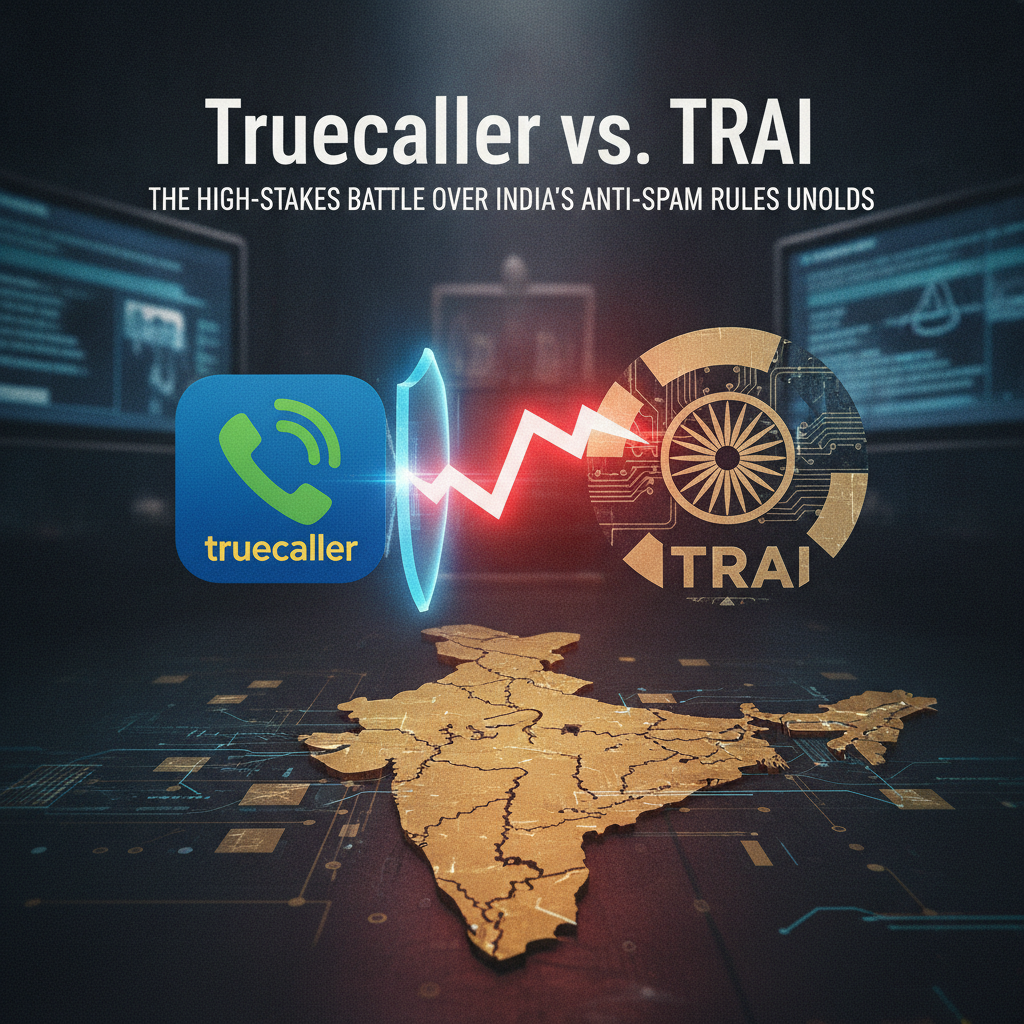
As India grapples with persistent spam calls, a significant regulatory clash between Truecaller and TRAI is reaching a boiling point, potentially reshaping how we identify and block unwanted communication.
India, a nation with one of the world’s largest mobile user bases, has long been plagued by unsolicited commercial communication – commonly known as spam calls. In a monumental effort to combat this menace, the Telecom Regulatory Authority of India (TRAI) has been rolling out stringent new anti-spam regulations. However, these sweeping changes have put the regulator on a collision course with a major player in the fight against spam: Truecaller.
The popular caller identification app, a household name for millions of Indian smartphone users, finds itself at odds with TRAI over the implementation and implications of these new rules. This clash, currently unfolding in mid-2026, is more than just a regulatory skirmish; it’s a battle for the future of digital communication privacy, user control, and the operating landscape for tech innovators in India.
Understanding TRAI’s Ambitious Anti-Spam Framework
TRAI’s latest directives, building on previous efforts, aim to provide a robust, consent-based framework for commercial communication. Key aspects of their new rules include:
- Mandatory Caller ID via Network: A proposal to display the caller’s verified identity (name) directly from the telecom network, eliminating reliance on third-party apps for basic identification.
- Consent Management: Stricter regulations around explicit user consent for promotional calls and messages, with severe penalties for violations.
- Digital Consent Acquisition: Introducing standardized platforms for users to grant or revoke consent for marketing communications.
- Identification of Principal Entities: Clearer guidelines for businesses to register their telemarketing intentions, making them traceable and accountable.
The overarching goal for TRAI is clear: empower users, reduce unsolicited communications, and bring greater transparency and accountability to the telecom ecosystem. They envision a future where network-level identification provides a universal, reliable solution for all.
Truecaller’s Stance: Innovation, Privacy, and the Potential Impact
For over a decade, Truecaller India has been a frontline warrior against spam, identifying billions of calls annually through its crowdsourced database and proprietary algorithms. Their service has become indispensable for many, offering a shield against telemarketing fraud and nuisance calls.
However, Truecaller’s concerns about TRAI’s new rules are multi-faceted:
- Impact on Core Functionality: If network-level caller ID becomes the primary and mandatory method, Truecaller questions the future relevance and effectiveness of its own established, user-driven identification system.
- Data Privacy & User Control: Truecaller emphasizes its user-centric approach, where users opt-in to share and access data. They are wary of any mandates that might compel them to alter their privacy model or share sensitive user data in ways that compromise their existing commitments.
- Defining ‘Telecom Service Provider’: The company asserts it is an over-the-top (OTT) service, not a telecom operator, and argues that applying telecom regulations designed for network providers is misdirected and could stifle innovation.
- Effectiveness of Solutions: While acknowledging TRAI’s intent, Truecaller suggests its dynamic, real-time community-driven spam detection is often more agile and comprehensive than static network-based solutions for identifying nuanced spam and fraud.
- Competition and Innovation: The company fears that overly restrictive regulations could create an uneven playing field, potentially disadvantaging innovative apps and limiting choices for users.
Truecaller maintains that its service complements, rather than competes with, regulatory efforts, offering an additional layer of protection and control to users. They advocate for collaborative solutions that leverage both regulatory power and technological innovation.
The Heart of the Dispute: A Clash of Philosophies
The core of the Truecaller TRAI clash lies in differing philosophies on how best to tackle spam and ensure user security. TRAI leans towards a top-down, network-centric approach, believing that comprehensive regulation at the foundational telecom infrastructure level is the only way to ensure uniform protection for all.
Truecaller, on the other hand, champions a bottom-up, community-driven, and technologically advanced approach. They believe that robust app-level solutions, powered by user contributions and sophisticated algorithms, offer greater flexibility and precision in identifying evolving spam tactics.
The immediate point of contention often revolves around the feasibility and desirability of TRAI’s proposed Caller ID via network system, and how it would coexist – or clash – with Truecaller’s existing service model. Truecaller argues that its current methods provide more granular control and often identify spam and scam calls that might slip through a purely network-based system.
Wider Implications: What This Means for Users, Tech, and Regulation
This ongoing dispute carries significant implications beyond the immediate parties involved:
- For Indian Users: The outcome will directly impact the effectiveness of spam protection, how their calls are identified, and their control over personal data. Will they experience fewer spam calls, or will their favorite anti-spam apps become less effective?
- For Tech Innovation: How India regulates global tech companies sets a precedent. Overly restrictive measures could deter future innovation in privacy, security, and communication tools.
- Data Governance: The debate highlights the complex challenges of data privacy, collection, and sharing in a digital economy, especially when regulatory mandates intersect with user-generated data.
- Regulatory Power: This clash will test the extent of TRAI’s authority over OTT services that leverage telecom networks, potentially redefining the boundaries of telecom regulation.
Awaiting Resolution: The Future of Anti-Spam in India
As of mid-2026, the dialogue between Truecaller and TRAI continues, underscoring a critical juncture for India’s digital future. While both entities share the common goal of a spam-free communication environment, their approaches diverge significantly. The challenge lies in finding a balanced solution that leverages both regulatory power and technological innovation, ensuring robust consumer protection without stifling the tools that users have come to rely on.
The resolution of this Truecaller TRAI anti-spam rules clash will not only determine the fate of caller ID apps in India but also establish a blueprint for how global tech services operate within India’s increasingly assertive regulatory landscape. All eyes are on the outcome, as it promises to reshape how we answer our phones for years to come.
Leave a Reply