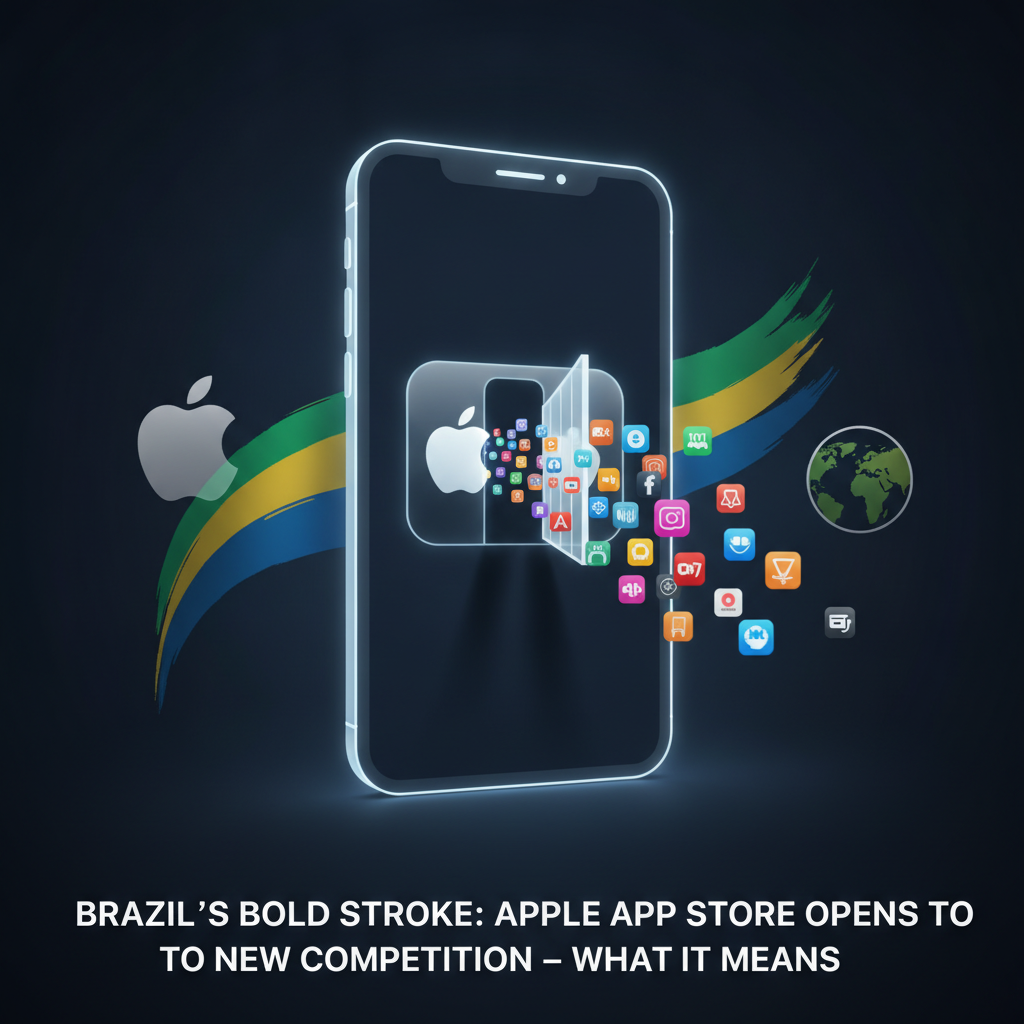
In a landmark decision that sends ripples across the global tech industry, Apple has announced significant changes to its App Store policies in Brazil. Bowing to pressure and new regulatory frameworks, the Cupertino giant is opening up its previously walled garden, allowing for third-party app stores and alternative payment systems. This move marks a pivotal moment, not just for Apple but for developers and consumers alike in one of Latin America’s largest markets.
For years, the Apple App Store has operated as the sole gateway for iPhone users to access applications, with Apple dictating terms, including a standard 15-30% commission on in-app purchases. This new mandate from Brazil signals a clear intent to foster digital competition and empower both developers and consumers. But what exactly does this mean in practice, and what are the immediate and long-term implications?
The Seismic Shift: What’s Happening in Brazil?
The changes in Brazil are not merely a minor tweak; they represent a fundamental restructuring of how apps can be distributed and monetized on iOS devices within the country. While the full details are still emerging, key aspects of the new policy are expected to include:
- Alternative App Stores: iPhone users in Brazil will now have the option to download apps from storefronts other than Apple’s official App Store. This could pave the way for specialized app markets or those run by large tech companies.
- Third-Party Payment Systems: Developers will be able to offer alternative in-app purchase mechanisms, bypassing Apple’s own payment processing and potentially avoiding the hefty commissions.
- Sideloading Possibilities: While not explicitly confirmed, the allowance for third-party app stores often implies a pathway for sideloading, giving users even more direct control over app installation.
This development mirrors legislative efforts seen in other regions, most notably the European Union’s Digital Markets Act (DMA), which has forced similar concessions from Apple. Brazil’s proactive stance positions it as a significant player in the global movement towards digital market fairness.
Implications for Developers: A World of New Opportunities (and Challenges)
For Brazilian and international developers targeting the Brazilian market, this shift is a double-edged sword, presenting both exciting opportunities and new considerations.
Opportunities:
- Increased Revenue Potential: By sidestepping Apple’s commissions, developers can retain a larger share of their earnings, potentially leading to more investment in app development and innovation.
- Wider Distribution: Access to multiple app stores means more avenues to reach users who might prefer specific platforms or payment methods.
- Direct Consumer Relationships: Alternative payment systems and distribution channels can foster more direct relationships between developers and their user base.
- Innovation and Competition: Lower barriers to entry and reduced costs could spur a new wave of localized app development tailored specifically for the Brazilian market.
Challenges:
- Security Concerns: Managing distribution across multiple platforms might introduce new security vulnerabilities if not handled carefully, potentially exposing users to malicious apps.
- Fragmented User Experience: Users might find it confusing to manage apps from various sources, requiring developers to consider multi-store presence and updates.
- Marketing and Discoverability: While there are more storefronts, discoverability could become a challenge, requiring developers to adapt their marketing strategies for each platform.
- Increased Responsibility: Developers will bear more responsibility for payment processing, refunds, and customer support for transactions made outside Apple’s system.
What Does This Mean for Brazilian iPhone Users?
The primary beneficiaries of increased competition are often the consumers. Brazilian iPhone users can look forward to:
- More Choice: A wider array of apps, potentially from developers who previously couldn’t afford Apple’s commission structure or who sought alternative distribution.
- Potentially Lower Prices: If developers save on commissions, some of those savings might be passed on to consumers through lower app prices or in-app purchase costs.
- Diverse Payment Options: Greater flexibility in how they pay for apps and digital content, including local payment methods that might be more convenient.
However, users will also need to be more vigilant about app sources to ensure they are downloading from trusted providers and understand the implications of using non-Apple payment systems.
Apple’s Strategy: Adapting to a Changing Regulatory Landscape
For Apple, this move represents a significant concession. The App Store has been a cornerstone of its services revenue, a rapidly growing segment of its business. While Apple has often cited security and user experience as reasons for its closed ecosystem, regulatory bodies worldwide are increasingly prioritizing fair competition.
Apple’s response will likely involve:
- Implementing the changes in Brazil while attempting to maintain its high standards for security and user experience, perhaps through new developer guidelines or vetting processes for third-party stores.
- Learning from the Brazilian experience to inform its strategy in other markets where similar regulations are anticipated or already in force.
- Exploring new revenue streams or enhancing existing services to offset any potential impact on App Store commissions.
The Global Ripple Effect: Is Brazil a Precedent?
Brazil’s action is not isolated; it’s part of a growing global trend. Following the EU’s DMA, countries like Japan, South Korea, and the United States are also examining antitrust concerns related to app store dominance. Brazil’s bold step could embolden other nations to push for similar reforms, creating a more open and competitive digital ecosystem worldwide.
Conclusion
The opening of the Apple App Store in Brazil marks a watershed moment. It signals a future where tech giants will face increasing pressure to democratize their platforms, fostering greater developer choice and consumer benefits. While the transition may bring its own set of challenges, the long-term outlook points towards a more vibrant, competitive, and innovative app market for millions of users in Brazil and potentially beyond.
Stay tuned as we continue to track this evolving story and analyze its impact on the digital landscape.
Leave a Reply