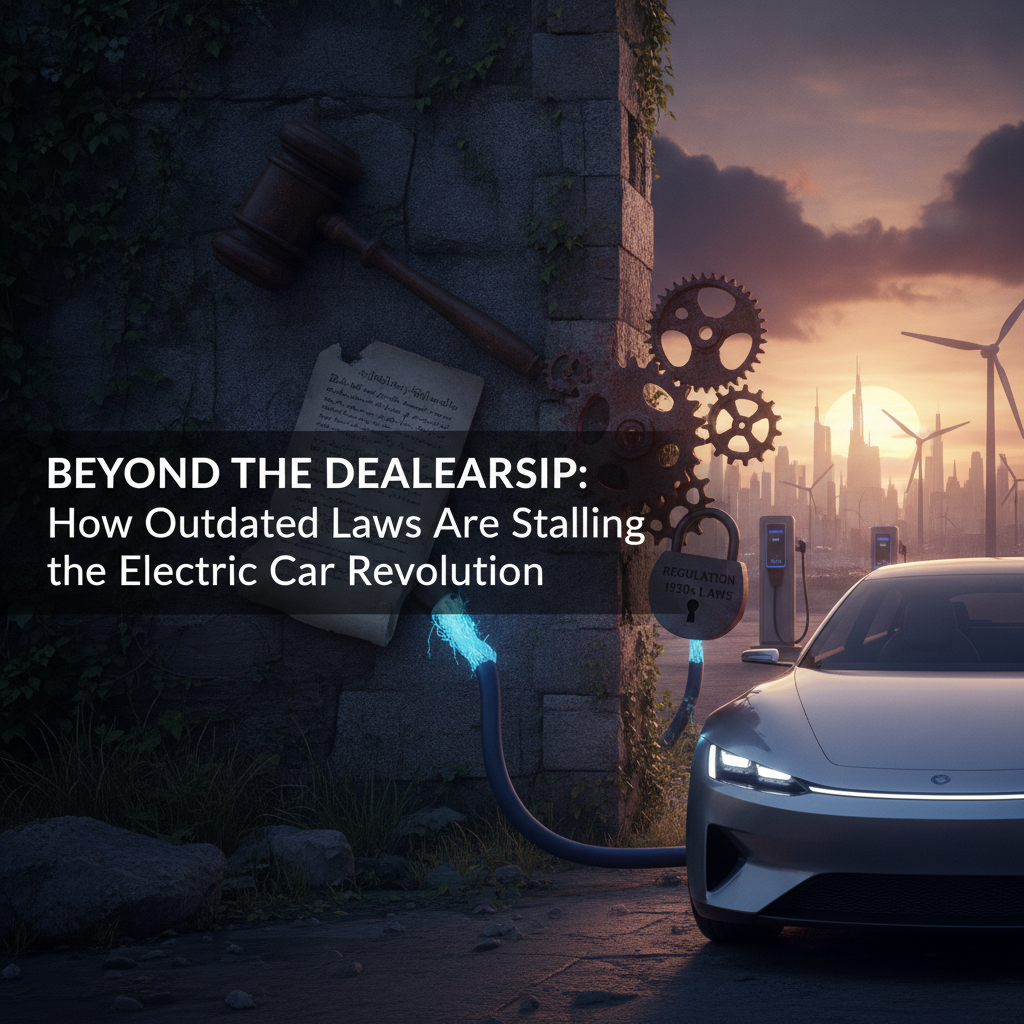
The electric vehicle (EV) revolution is accelerating, promising a cleaner, more sustainable future. Yet, beneath the hood of this exciting progress lies a contentious battleground: the car sales model itself. For innovative EV manufacturers like Polestar, Tesla, Rivian, and Lucid, the path to bringing their groundbreaking vehicles directly to consumers is often blocked by a powerful, unexpected adversary: the law.
State-by-state, long-standing franchise laws—originally designed to protect independent dealerships from manufacturer overreach—are now inadvertently stifling competition, limiting consumer choice, and slowing down the very EV adoption they claim to support. This isn’t just a legal skirmish; it’s a fundamental challenge to how modern electric cars are bought and sold, impacting everyone from aspiring EV owners to the future of the automotive industry.
The Heart of the Conflict: Understanding State Franchise Laws
For decades, car sales in the U.S. have operated on a well-established model: manufacturers produce vehicles, and independent franchised dealerships sell them to the public. State franchise laws fortify this system, often prohibiting manufacturers from owning and operating their own retail stores within the state. The original intent was sound: to prevent powerful manufacturers from unfairly competing with or coercing their independent dealers, ensuring a stable market and local jobs.
However, the automotive landscape has dramatically shifted. Modern EV startups, unburdened by legacy internal combustion engine (ICE) dealerships, often prefer a direct-to-consumer (DTC) sales model. They want to control the entire customer experience, from initial inquiry to post-purchase service, ensuring brand consistency and a seamless, transparent buying process. This direct model inherently clashes with the traditional franchise system.
Why EV Innovators Prefer Direct Sales
The DTC model offers significant advantages for emerging EV companies and, arguably, for consumers:
- Brand Control & Education: Direct sales allow manufacturers to ensure their brand message is consistently communicated. For new technology like EVs, this means sales staff who are highly trained experts, focused on educating customers rather than negotiating commissions or pushing inventory.
- Transparent Pricing: Many direct sellers offer non-negotiable pricing, eliminating the haggling often associated with traditional dealerships. This transparency is appealing to a segment of buyers seeking a simpler process.
- Streamlined Customer Experience: From online configuration to home delivery and integrated service, the DTC model can create a cohesive, user-friendly journey tailored for digital-first consumers.
- Lower Overhead for Startups: Building a national network of franchised dealerships requires immense capital and time. Direct sales, especially with a strong online component and fewer physical “galleries” or service centers, can be more agile for startups.
- Direct Customer Feedback: Engaging directly with buyers provides invaluable data and feedback, allowing manufacturers to rapidly iterate and improve their products and services.
Polestar’s Predicament: A Case Study in Legal Hurdles
Polestar, the electric performance car brand born from Volvo, epitomizes the struggle. While it operates “Polestar Spaces” – sleek, modern showrooms designed to educate rather than hard-sell – these are often limited in what they can legally do. In many states, customers cannot complete a purchase directly at a Polestar Space. Instead, they must order online, with the actual transaction sometimes technically handled by an affiliated franchised dealer in a different state, or through a cumbersome workaround.
Tesla famously paved the way, battling state laws for years to establish its direct sales model, and still faces restrictions in several states. Rivian and Lucid Motors encounter similar barriers. These companies are forced to navigate a patchwork of state regulations, leading to inconsistent buying experiences and unnecessary complexities that slow their growth and EV adoption overall.
The Ripple Effect: Impact on Consumers and the EV Market
When the law effectively “kills” or severely limits direct EV sales, the consequences ripple outwards:
- Limited Consumer Choice: Fewer sales channels mean less access to innovative EV brands, especially for residents in states with strict franchise laws.
- Slower EV Adoption: Complex, inconsistent buying processes can deter potential EV buyers, particularly those new to the technology.
- Stifled Competition: New entrants face higher barriers to market entry, protecting incumbent brands and potentially slowing innovation across the industry.
- Inconsistent Service: Without direct manufacturer control, the quality and consistency of service and support for newer EV technologies can vary.
Navigating the Future: Solutions and Debates
The debate over direct sales is far from settled. States like Michigan, which famously battled Tesla for years, have begun to ease some restrictions. Several states now allow manufacturers to own dealerships, provided they don’t have existing franchised dealers. Other potential solutions and ongoing discussions include:
- Legislative Reform: The most direct path is for states to update their franchise laws to create specific carve-outs for EV-only manufacturers, or to allow a certain number of manufacturer-owned stores.
- Hybrid Models: Some manufacturers are exploring “agency models” where dealers act as agents for the manufacturer, earning a fixed fee rather than buying and reselling inventory. This offers some benefits of direct sales while maintaining a local presence.
- Educating Policymakers: Advocates for direct sales continue to lobby state legislatures, highlighting the benefits for consumers, competition, and environmental goals.
While traditional dealerships argue for the value they provide—local jobs, service infrastructure, and consumer advocacy—the core issue remains: do existing laws adequately serve the needs of a rapidly evolving market and the modern consumer? The goal should be a regulatory framework that fosters competition, promotes innovation, and ultimately benefits the consumer and the environment.
Conclusion: Paving the Way for a Modern EV Market
The story of EV manufacturers battling outdated dealership laws is more than just a legal footnote; it’s a critical challenge to the future of sustainable transportation. As brands like Polestar push the boundaries of automotive technology, they deserve a sales framework that enables, rather than obstructs, their mission. By embracing thoughtful legislative reform and innovative sales models, we can pave a smoother, more direct road for electric vehicles to reach every driveway, accelerating the transition to a greener tomorrow.
What are your thoughts on direct-to-consumer EV sales? Share your opinions in the comments below!
Leave a Reply