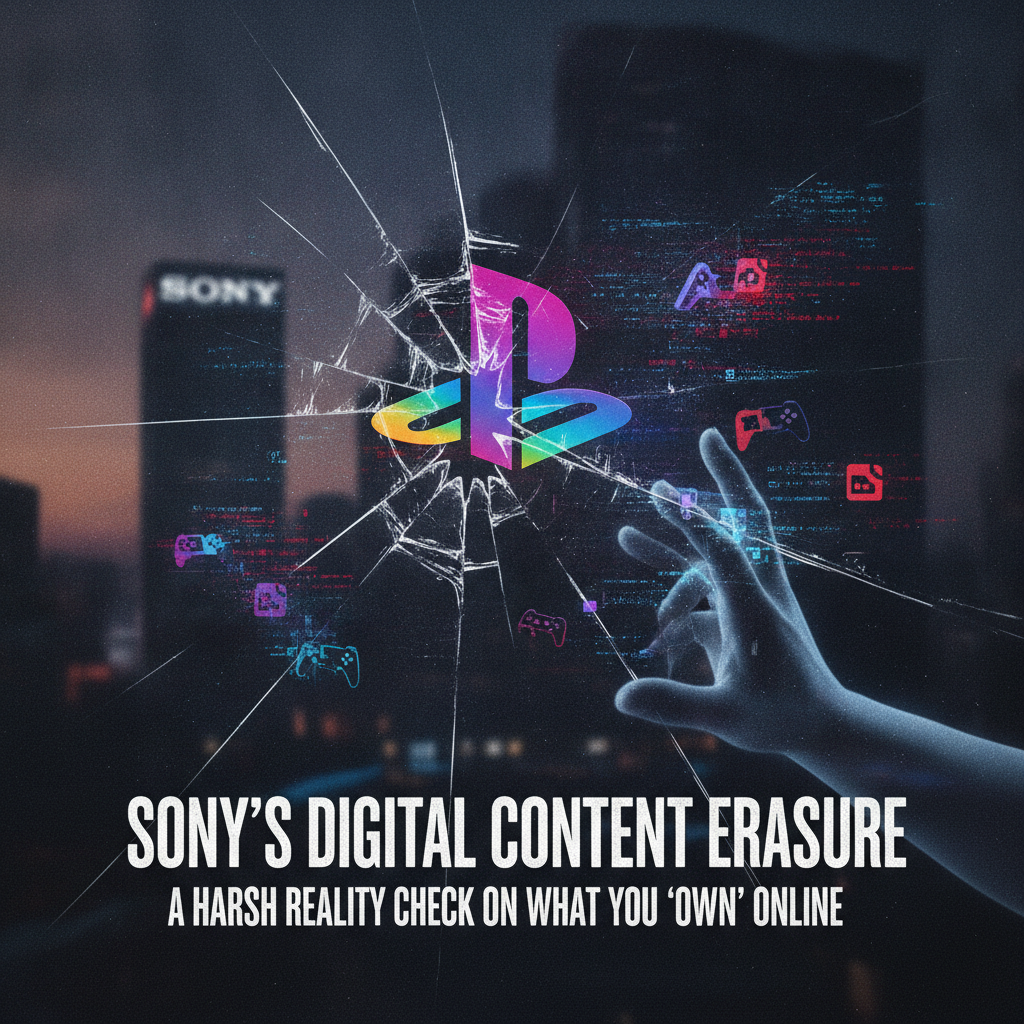
Imagine buying a book, only for a publisher to walk into your home years later and take it off your shelf, citing a change in their licensing agreement. Sounds absurd for physical goods, right? Yet, this is precisely the digital reality consumers faced recently when Sony announced it would be erasing purchased Discovery content from PlayStation Store libraries.
The news sent shockwaves through the gaming and digital media communities, serving as a stark, unsettling reminder: in the digital realm, you often don’t truly own what you buy; you merely license it. This incident isn’t just about a few forgotten shows; it’s a critical moment for understanding the precarious nature of our digital purchases and the pressing need for stronger digital ownership rights.
The Sony Incident: What Exactly Happened?
In late 2023, Sony notified PlayStation users that a significant library of Discovery content, previously available for purchase on the PlayStation Store, would be removed from their accounts. This wasn’t a temporary delisting; these were titles consumers had paid for, some years ago, under the assumption of indefinite access. The reason? Expiring licensing agreements between Sony and Discovery. While Sony offered no refunds, the message was clear: once the agreement ended, so did your access, regardless of your purchase history.
This move highlighted a crucial distinction often buried in the fine print of our digital transactions: the difference between buying a physical product and licensing digital content. When you purchase a Blu-ray, it’s yours. You can watch it whenever you want, lend it, or even resell it. Digital content, however, often comes with an End-User License Agreement (EULA) that grants you a revocable license to access the content, not true ownership. This means the provider retains the power to modify, restrict, or even revoke your access at any time.
Licensing vs. Ownership: The Digital Dichotomy
The Sony debacle is just one high-profile example of a pervasive issue across the digital landscape. From movies and music to video games and ebooks, the vast majority of our digital ‘purchases’ are governed by similar licensing terms. This model benefits the content creators and distributors by allowing them to control distribution, prevent resale, and dictate usage terms. For consumers, however, it creates a fragile ecosystem where our digital libraries are at the mercy of corporate decisions and expiring contracts.
Consider your digital movie collection on a streaming platform, your ebook library on a specific device, or your downloaded game collection. In many cases, these are not assets you possess but rather privileges granted by the platform. If the platform shuts down, loses rights, or changes its terms of service, your access can vanish. This fundamentally alters the consumer experience, shifting from genuine acquisition to perpetual renting.
Why This Should Alarm Every Digital Consumer
The implications of this licensing model extend far beyond inconvenience:
- Loss of Access: Content can disappear without warning, even if you paid for it, due to licensing expiry, platform closure, or policy changes.
- No Resale Value: Unlike physical media, digital content cannot be legally resold, preventing consumers from recouping any value from their purchases.
- Platform Dependence: Your digital library is tied to specific ecosystems. If you switch devices or platforms, you might lose access to your ‘purchased’ content.
- Erosion of Consumer Rights: The opaque nature of EULAs often leaves consumers with little recourse when content is removed or terms change.
- Digital Preservation: The lack of true ownership poses significant challenges for digital archiving, both personally and historically. What happens to our cultural output if it only exists as licensed data?
Reclaiming Digital Rights: What You Can Do
While the digital landscape can feel daunting, consumers are not entirely powerless. Here’s how you can navigate the current environment and advocate for change:
- Read the Fine Print (Seriously!): Understand the terms of service and EULAs for your digital purchases. Be aware of what you’re actually acquiring.
- Support Physical Media: For truly owned content, consider purchasing physical versions (Blu-rays, vinyl, game cartridges) when available and desired.
- Seek DRM-Free Content: Look for platforms and creators that offer DRM-free (Digital Rights Management-free) content, which often grants more robust ownership rights.
- Backup Where Legal and Possible: For content where you have clear ownership or rights to backup, do so.
- Advocate for Change: Support consumer rights organizations and initiatives pushing for stronger digital ownership laws and clearer industry practices.
- Diversify Your Digital Library: Avoid putting all your digital eggs in one basket. Spread your purchases across different platforms and providers where feasible.
The Path Forward: Towards True Digital Ownership?
The Sony incident serves as a crucial wake-up call, emphasizing the urgent need for a re-evaluation of digital ownership models. As our lives become increasingly digital, the concept of ‘buying’ must evolve to provide consumers with the same level of security and permanence they expect from physical goods. This will likely require a combination of industry self-regulation, clearer communication, and potentially new legislative frameworks that enshrine genuine digital ownership rights.
Ultimately, the power lies with informed consumers. By understanding the current limitations and actively advocating for change, we can collectively push towards a future where buying digital content truly means owning it, free from the threat of sudden deletion or access revocation.
Leave a Reply