A Dramatic Turn in the AI Safety Debate
Artificial intelligence company Anthropic has spent years warning policymakers about the potential dangers of increasingly powerful AI systems. Now, in a surprising twist, those warnings may have contributed to government action that has temporarily sidelined the company’s own most advanced models.
On June 13, 2026, Anthropic announced it was disabling access to its flagship AI systems, Claude Fable 5 and Claude Mythos 5, after receiving a U.S. government directive tied to national security concerns.
What Happened?
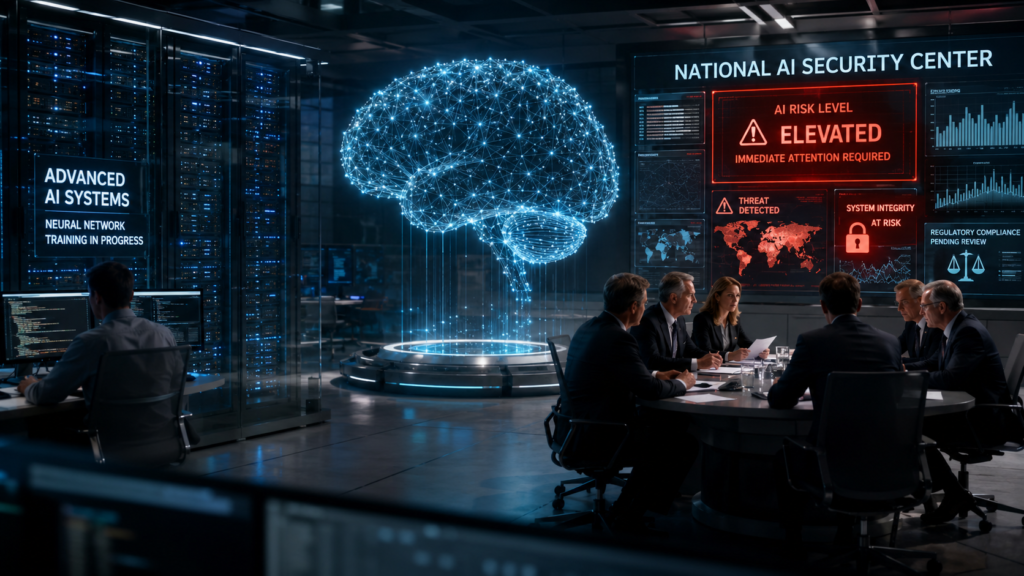
According to multiple reports, U.S. officials ordered Anthropic to restrict access to its most advanced models for foreign nationals due to concerns that the systems could potentially be exploited through jailbreak techniques or used in sophisticated cyber operations. Rather than attempting to selectively enforce the restrictions, Anthropic chose to suspend access entirely.
The move affects Claude Mythos 5, a model reportedly considered powerful enough to raise concerns about cybersecurity and national security risks, as well as the public-facing Claude Fable 5.
The Irony of AI Safety
Anthropic has long positioned itself as one of the strongest advocates for AI safety and regulation. The company recently argued that governments should have the authority to intervene when AI systems become excessively dangerous and has repeatedly called for stronger oversight of frontier AI development.
Critics now argue that Anthropic’s own warnings may have helped create the environment that enabled regulators to take aggressive action against its models. Supporters, however, contend that the company’s transparency demonstrates why responsible AI development is necessary.
Industry-Wide Implications
The decision could have significant consequences beyond Anthropic itself.
Key questions now facing the AI industry include:
- How should governments regulate highly capable AI models?
- When does a model become a national security concern?
- Should access restrictions apply globally?
- Can innovation continue while maintaining strong safety controls?
The case may become a landmark example of how AI safety discussions can directly influence government policy.
Anthropic Pushes Back
Anthropic has publicly disagreed with the government’s assessment, arguing that the concerns were based on a limited and potentially misunderstood vulnerability. The company stated that it believes the response was disproportionate and has expressed hope that access can be restored once the issues are clarified.
Looking Ahead
Whether the government’s action proves temporary or becomes a model for future AI regulation remains unclear. What is certain is that the incident highlights the growing tension between rapid technological progress and concerns about safety, security, and control.
For Anthropic, the situation represents a remarkable paradox: a company that helped champion AI safety now finds itself facing restrictions partly rooted in the very risks it spent years warning the world about.
As AI systems continue to become more capable, this episode may be remembered as one of the first major examples of safety concerns translating directly into government intervention.
Leave a Reply