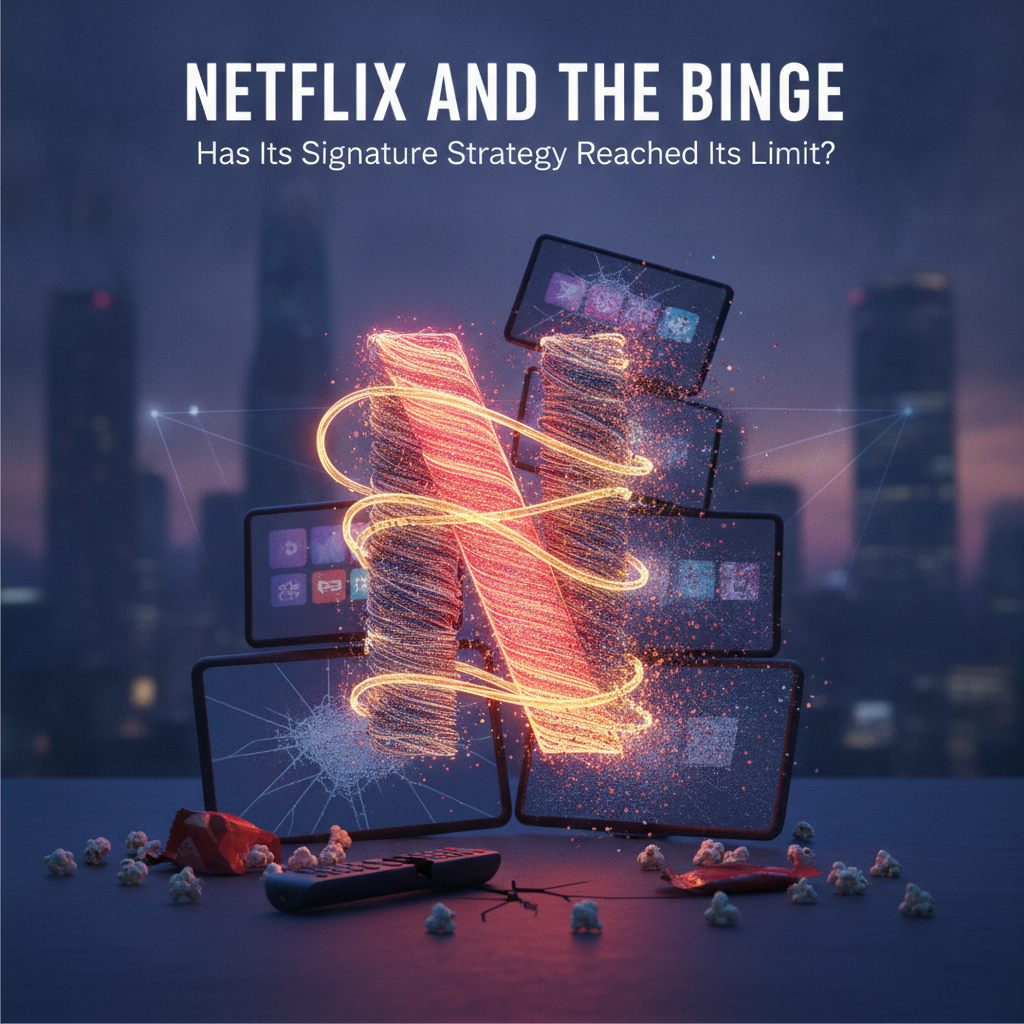
For over a decade, the term "binge-watching" has been synonymous with Netflix. The streaming giant didn’t just popularize the act of devouring an entire season in a single sitting; it engineered a content release model that redefined how we consume television. With full seasons dropping simultaneously, Netflix offered unparalleled freedom and choice, drawing millions into its orbit.
Yet, as the streaming landscape matures and competition intensifies, cracks have begun to show in the very strategy that built Netflix’s empire. Is the pioneer of binge-watching now considering a future where instant gratification takes a back seat to sustained engagement? The signs suggest that Netflix may be outgrowing its own invention, ushering in a new era for content consumption.
The Genesis of a Cultural Phenomenon: How Netflix Mastered the Binge
Before Netflix, episodic television meant week-to-week anticipation, water cooler discussions, and the frustrating wait for the next installment. Netflix changed everything. With its foray into original content like House of Cards in 2013, the "drop the whole season" model became its signature. This strategy offered several key advantages:
- Subscriber Acquisition & Retention: New users could sign up, watch a buzzy show, and stay subscribed to finish it without delay.
- Unprecedented Viewer Freedom: Audiences could watch what they wanted, when they wanted, at their own pace – a revolutionary concept at the time.
- Intense Engagement: Binge-watching fostered deep immersion in narratives and characters, creating dedicated fan bases.
- Global Buzz: A show could become a worldwide phenomenon overnight, thanks to simultaneous global releases.
This model cultivated a unique relationship with its audience, establishing Netflix as the go-to platform for uninterrupted storytelling.
The Downside of Instant Gratification: Cracks in the Binge Model
While wildly successful initially, the all-at-once release model has revealed its limitations in a crowded market:
- Subscriber Churn: The "watch and cancel" phenomenon became prevalent. Once a subscriber finished a highly anticipated series, there was less incentive to remain subscribed until the next big release.
- Ephemeral Buzz: While immediate, the cultural conversation around a show often peaked quickly and faded just as fast, unlike weekly releases that sustain discussions over months.
- Content Treadmill: To combat churn, Netflix had to constantly produce a high volume of new, expensive content, leading to a relentless cycle of production and pressure for the next big hit.
- Lost "Event" Status: In a world of infinite choices, very few shows achieve true "event television" status when they’re simply another drop in the bucket.
As competitors like Disney+, Max, and Apple TV+ emerged, many opted for hybrid or traditional weekly release schedules, proving there were other viable paths to subscriber engagement.
Netflix’s Strategic Pivot: Signs of a New Era
Observable trends suggest Netflix is actively re-evaluating its monolithic binge strategy. This pivot isn’t a sudden U-turn, but a gradual, calculated evolution:
Reconsidering Release Schedules
While not abandoning binge-watching entirely, Netflix has experimented with staggered releases. For instance, some popular reality shows or competition series have adopted weekly drops (e.g., The Great British Baking Show). Even major dramas have seen releases split into two parts, extending their lifespan and buzz (e.g., Stranger Things 4, The Crown final season). This allows for sustained conversations and keeps subscribers engaged for longer periods.
Embracing Live Events and Ad Tiers
The introduction of a cheaper, ad-supported tier signals a shift towards new monetization models that rely on sustained viewership, not just episodic binges. Furthermore, Netflix’s dabbling in live sports and live event programming (like comedy specials or the Chris Rock live stream) demonstrates a desire to create real-time, shared experiences – the antithesis of the solitary binge.
Beyond Streaming: Gaming and Experiential Content
Netflix’s investment in mobile gaming and interactive experiences further illustrates a move beyond passive content consumption. These ventures aim to deepen engagement and provide value outside of traditional episodic viewing.
Why the Change? Adapting to a Maturing Market
This strategic evolution is a response to several market realities:
- Market Saturation: The golden age of rapid subscriber growth is slowing. Acquiring new subscribers is harder, making retention paramount.
- Profitability Pressure: Wall Street demands profitability. Sustained engagement through varied content models and new revenue streams (like ads) is crucial.
- Competitive Landscape: Every major media company has its own streaming service. Netflix needs to differentiate and adapt to stay ahead.
- The Power of "Event" Television: The success of shows like Game of Thrones (weekly) or live sporting events proves the immense value of shared, real-time cultural moments that binge-watching often dilutes.
What Does This Mean for Viewers and the Industry?
For viewers, this shift could mean a more diverse content calendar, with a mix of binges and weekly releases. It might reintroduce the joy of collective anticipation and water cooler discussions. For the industry, it signals a move towards hybrid models, where platforms strategically deploy different release patterns to maximize engagement and profitability for specific content types.
Netflix isn’t abandoning the binge entirely; it’s refining its strategy. The future of streaming may not be one-size-fits-all, but rather a sophisticated tapestry of release models, each designed to optimize a show’s impact and a subscriber’s long-term value.
Conclusion: The Evolution of Entertainment
Netflix’s journey with binge-watching is a testament to its innovative spirit. What started as a disruptive differentiator has become a powerful, yet increasingly complex, tool. By cautiously diversifying its content strategy, Netflix is not just reacting to market pressures; it’s once again attempting to shape the future of entertainment. The next chapter will likely see a more nuanced approach to content delivery, proving that even the most revolutionary inventions must evolve to stay relevant.
Leave a Reply