
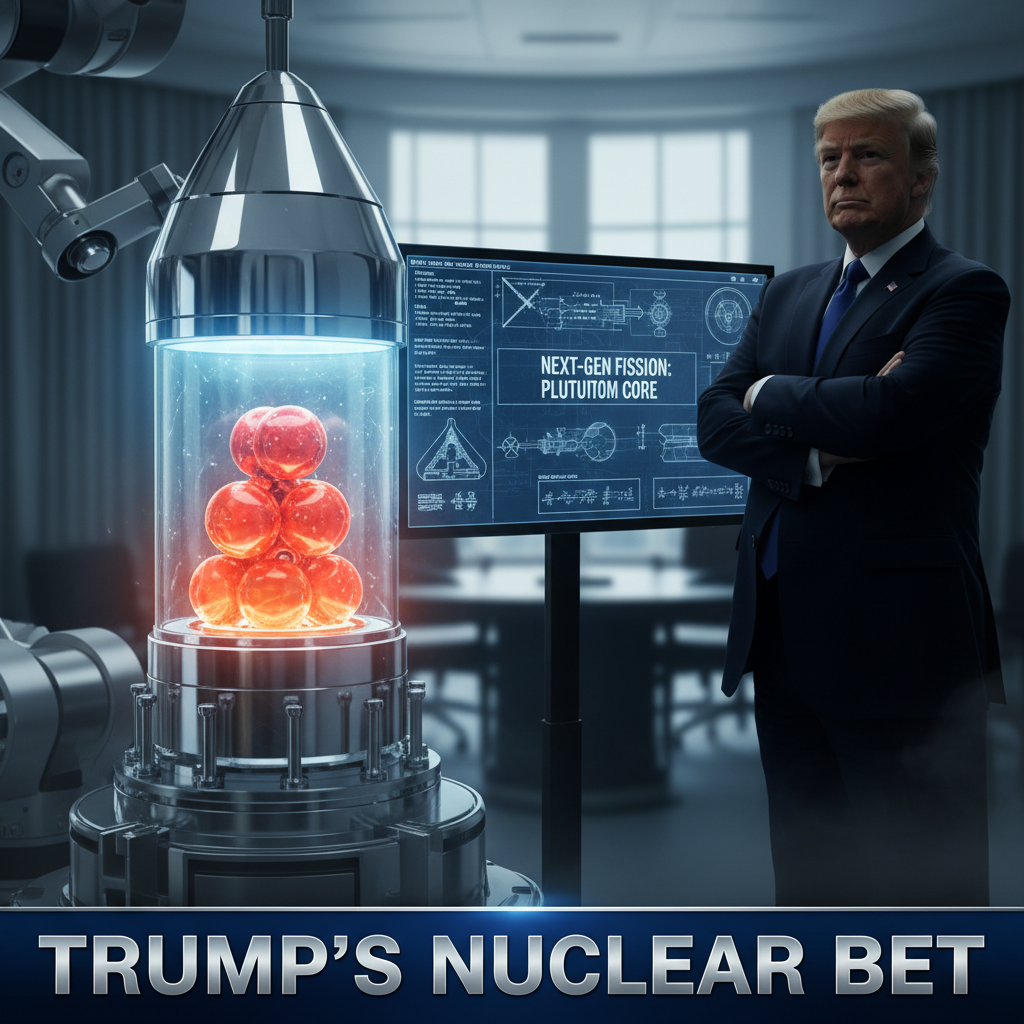
In a significant policy shift aimed at revitalizing America’s nuclear energy sector, the Trump administration has signaled a strong intent to encourage nuclear startups to utilize plutonium as fuel for their advanced reactor designs. This move, if fully implemented, could mark a pivotal moment for the future of nuclear power, promising both unprecedented opportunities for innovation and complex challenges in security and public perception.
The proposal targets a new generation of nuclear companies and their cutting-edge reactor technologies, moving beyond traditional light-water reactors to embrace designs that can efficiently use materials previously deemed challenging or undesirable for civilian power generation. At its core, this initiative reflects a strategic push for energy independence, waste reduction, and leadership in global nuclear technology.
Unpacking the Policy: Why Plutonium Now?
For decades, the United States has largely avoided the reprocessing of spent nuclear fuel and the direct use of plutonium in commercial reactors, primarily due to proliferation concerns and the complexities of the nuclear fuel cycle. However, the landscape of nuclear technology is evolving rapidly, with startups developing advanced reactors – such as Small Modular Reactors (SMRs), fast reactors, and molten salt reactors – that are inherently designed to operate safely with a wider range of fuels, including plutonium.
The administration’s rationale for this policy pivot is multi-faceted:
- Waste Reduction: Plutonium is a key component of spent nuclear fuel. By recycling it as fuel, the volume and radiotoxicity of high-level nuclear waste could be significantly reduced.
- Energy Independence: Tapping into a domestic source of fuel (from existing stockpiles of plutonium or reprocessed spent fuel) could lessen reliance on imported uranium.
- Technological Leadership: Supporting the development of advanced reactors capable of utilizing plutonium could position the U.S. at the forefront of global nuclear innovation.
- Enhanced Efficiency: Certain advanced reactor designs can extract far more energy from plutonium than traditional reactors can from uranium, increasing fuel efficiency.
The Promise and Peril of Plutonium Fuel
Embracing plutonium as a viable fuel source for nuclear startups presents a double-edged sword, offering immense benefits alongside substantial risks.
The Advantages: A Cleaner, More Powerful Future?
- Sustainable Fuel Cycle: By closing the fuel cycle – reprocessing spent fuel to extract plutonium and then burning it – the U.S. could move towards a more sustainable and resource-efficient nuclear power system.
- High Energy Density: Plutonium possesses an incredibly high energy density, meaning a small amount can produce vast quantities of electricity, making it ideal for compact and powerful advanced reactors.
- Addressing Legacy Waste: The policy could provide a pathway to manage and potentially eliminate existing stockpiles of weapons-grade plutonium and civil plutonium, transforming a security liability into an energy asset.
The Challenges: Proliferation and Public Trust
- Non-Proliferation Concerns: The most significant hurdle is the risk of nuclear proliferation. Plutonium can be used in nuclear weapons, and any expansion of its use requires robust safeguards and international oversight to prevent its diversion.
- Public Perception: The term “plutonium” often carries a negative connotation due to its association with nuclear weapons and waste. Overcoming public apprehension through transparent communication and stringent safety measures will be crucial.
- Regulatory Hurdles: The Nuclear Regulatory Commission (NRC) will face the complex task of developing and implementing new regulatory frameworks for reactors using plutonium fuel, ensuring safety and security.
- Economic Viability: Reprocessing spent fuel and fabricating plutonium-based fuels are expensive processes. The economic competitiveness of these new technologies will depend on subsidies, market demand, and cost efficiencies.
Catalyzing Innovation: The Role of Nuclear Startups
The administration’s focus on nuclear startups is deliberate. These agile companies are at the forefront of developing groundbreaking reactor technologies that are inherently safer, more efficient, and often smaller than conventional plants. Designs like TerraPower’s Natrium reactor, Oklo’s microreactors, or designs from companies exploring molten salt reactors and fast neutron reactors, are particularly suited to handle advanced fuels, including plutonium.
This policy could provide the necessary impetus and financial backing for these startups to accelerate their research, development, and deployment efforts, turning theoretical advantages into tangible energy solutions. By providing a clear pathway for advanced fuel cycles, the U.S. aims to regain its global leadership in nuclear energy innovation, fostering both domestic job growth and export opportunities for cutting-edge technologies.
Navigating the Future of Nuclear Energy
The Trump administration’s proposal to leverage plutonium for advanced nuclear reactors represents a bold step towards a potentially transformative future for energy production. While promising significant advancements in waste management, energy independence, and technological innovation, it also demands rigorous attention to non-proliferation, public engagement, and regulatory oversight.
As nuclear startups continue to push the boundaries of what’s possible, the success of this policy will ultimately hinge on the ability of government, industry, and the public to collaboratively navigate the complex technical, economic, and geopolitical landscape. The outcome could redefine nuclear power’s role in the global energy mix for generations to come, ushering in an era where nuclear waste becomes nuclear fuel, and advanced reactors power a cleaner, more secure future.
Leave a Reply