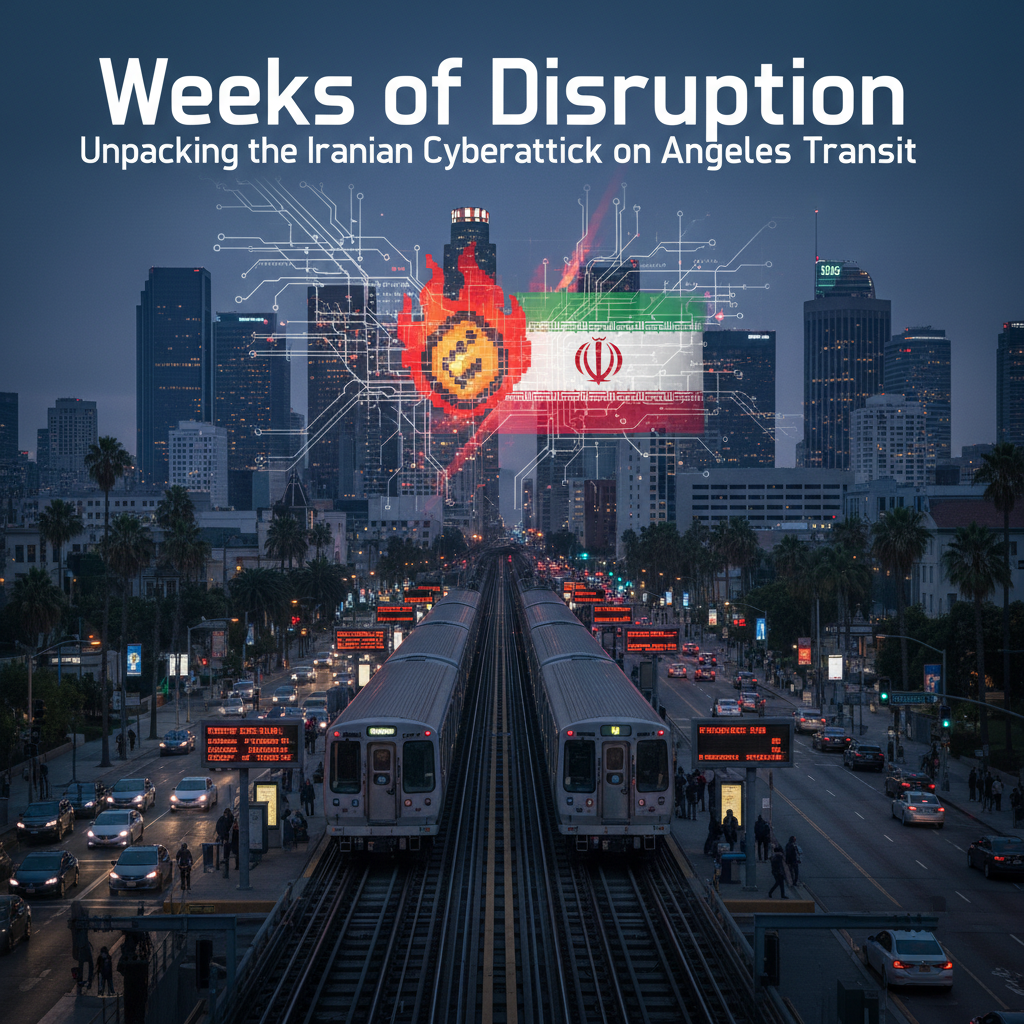
The digital battlefield extends far beyond traditional military conflicts, increasingly targeting the very infrastructure that underpins our daily lives. A stark reminder of this global threat recently emerged from the heart of Southern California, where the Los Angeles transit system fell victim to a sophisticated cyberattack, attributed to Iranian hackers. The incident didn’t just cause a momentary hiccup; it resulted in weeks of operational disruption and recovery efforts, sending shockwaves through the city and highlighting the profound vulnerability of critical public services.
This blog post delves into the specifics of this significant LA transit system breach, exploring its implications, the broader context of Iranian cyberattacks, and the crucial lessons that must be learned to safeguard our increasingly interconnected world.
The Breach: How Los Angeles Transit Was Paralyzed
While the full technical details of the attack are often kept under wraps for security reasons, reports indicate the incident involved a multi-pronged assault that likely began with phishing campaigns or exploiting known vulnerabilities within the transit system’s digital infrastructure. Once inside, the perpetrators, identified as Iranian state-sponsored or affiliated hackers, deployed malware that compromised critical operational systems, including scheduling, ticketing, and potentially even communication networks.
The immediate aftermath was severe. Commuters faced delays, disruptions, and an understandable sense of unease. The logistical nightmare of manually managing a vast transit network designed for automated efficiency quickly became apparent. For a city as sprawling and reliant on public transport as Los Angeles, even partial paralysis translates into monumental inconvenience, economic impact, and a tangible erosion of public trust.
Attribution and Motives: Why Iran?
The attribution to Iranian hackers is a critical aspect of this incident. Cybersecurity agencies and intelligence communities worldwide have consistently tracked sophisticated cyber operations emanating from Iran, often targeting critical infrastructure, government entities, and private sector organizations in rival nations. While the immediate motive behind the LA transit attack might seem purely disruptive, it likely serves broader strategic objectives:
- Geopolitical Messaging: A demonstration of capability and a warning shot, indicating Iran’s reach into vital infrastructure of adversaries.
- Data Exfiltration: The possibility of stealing sensitive operational data, blueprints, or commuter information for espionage or future attacks.
- Disruption and Deterrence: Creating chaos and forcing significant resource expenditure for recovery, thereby challenging an adversary’s stability.
- Testing Capabilities: Using real-world targets to refine attack techniques and tools for more significant future campaigns.
This incident underscores the complex web of geopolitical cyber warfare and the rising threat of nations leveraging digital means to project power and influence.
Weeks of Recovery: The True Cost of a Cyberattack
The phrase "took weeks to recover" often masks the immense effort, resources, and stress involved. Recovery from a major critical infrastructure cyberattack is not merely about restoring data; it’s about:
- Containment: Isolating affected systems to prevent further spread of the malware.
- Forensics: Investigating how the breach occurred, what data was accessed, and what vulnerabilities were exploited.
- Remediation: Cleaning compromised systems, patching vulnerabilities, and rebuilding infrastructure from secure backups.
- Validation: Thoroughly testing all systems to ensure full functionality and security before going live.
- Communication: Managing public perception and keeping commuters informed, often under immense pressure.
Each step is complex and time-consuming, requiring specialized expertise and significant financial investment. The prolonged recovery period for the Los Angeles public transportation hack serves as a stark warning about the need for robust incident response plans and resilient system architecture.
Lessons Learned: Strengthening Critical Infrastructure Security
The LA transit system breach is a wake-up call for all entities managing critical infrastructure, from transportation and energy grids to water supply and healthcare systems. Several key takeaways emerge:
1. Proactive Defense is Paramount
- Regular Audits & Penetration Testing: Continuously assess systems for vulnerabilities that attackers might exploit.
- Robust Patch Management: Ensure all software and hardware are up-to-date with the latest security patches.
- Employee Training: The human element is often the weakest link. Comprehensive training on phishing awareness and secure practices is crucial.
2. Invest in Incident Response and Recovery
- Comprehensive Incident Response Plan: A well-defined, regularly tested plan for detecting, containing, and recovering from attacks.
- Immutable Backups: Maintain isolated, air-gapped backups of critical data and systems that cannot be compromised by an active attack.
- Cybersecurity Insurance: While not a solution, it can help mitigate the financial impact of a breach.
3. Embrace a ‘Zero Trust’ Security Model
Assume no user, device, or application can be implicitly trusted, regardless of whether it’s inside or outside the network perimeter. Verify everything.
4. Foster Public-Private Partnerships
Collaboration between government agencies, private sector cybersecurity firms, and infrastructure operators is essential for sharing threat intelligence and developing collective defense strategies against state-sponsored cyber threats.
Conclusion: A Call for Unwavering Vigilance
The cyberattack on the Los Angeles transit system by Iranian hackers is more than just a news story; it’s a profound demonstration of the evolving nature of global conflict and the pressing need for unparalleled cybersecurity resilience. As our societies become increasingly digitized, the targets for sophisticated adversaries expand, placing essential services at ever-greater risk.
Protecting critical infrastructure requires continuous investment, unwavering vigilance, and a collaborative approach across all sectors. The weeks of disruption in Los Angeles serve as a powerful reminder: the cost of inaction far outweighs the investment in robust cyber defense. It’s time to fortify our digital borders before the next major incident brings an even more vital service to its knees.