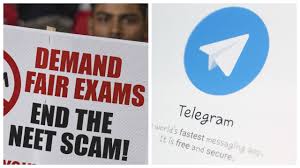
India has reportedly ordered a temporary ban on Telegram following growing concerns that the messaging platform was being used to facilitate examination fraud, reigniting debates about the responsibilities of technology companies, digital privacy, and the integrity of the country’s education system.
The move comes amid increasing scrutiny of online platforms that have become central to communication, information sharing, and community building for millions of users. While authorities argue that stronger action is necessary to combat organized cheating networks, critics warn that platform-wide restrictions may have broader consequences for legitimate users who rely on these services for education, business, and everyday communication.
The controversy highlights a challenge facing governments around the world: how to prevent digital platforms from being exploited for illegal activities without undermining the benefits they provide to society.
The Growing Problem of Exam Fraud
Examination fraud has become a major concern in India, where competitive exams often determine access to universities, government jobs, and professional opportunities. With millions of candidates competing for limited seats and positions, the stakes are exceptionally high.
In recent years, authorities have uncovered numerous cases involving leaked question papers, impersonation schemes, organized cheating rings, and the use of digital communication channels to distribute confidential exam materials.
Messaging platforms have become particularly attractive tools for such operations. Large group chats, private channels, encrypted communication, and rapid information sharing can allow fraudulent networks to coordinate activities at scale.
Investigators reportedly believe that some Telegram groups and channels were being used to circulate examination content, answer keys, and other sensitive materials before or during exams.
Why Telegram Is Under Scrutiny
Telegram has long distinguished itself from other messaging platforms through features such as large channels, extensive group capacities, cloud-based messaging, and privacy-focused tools.
While these features have made the platform popular among communities, businesses, educators, and content creators, they have also attracted criticism from governments worldwide who argue that bad actors can exploit the platform’s infrastructure.
Authorities have increasingly focused on the role of digital platforms in enabling activities ranging from misinformation campaigns and financial scams to piracy and exam-related fraud.
The latest action suggests regulators are becoming more willing to hold platforms accountable when they believe enforcement mechanisms are insufficient.
The Debate Over Platform Responsibility
The reported ban raises important questions about where responsibility should lie when illegal activity occurs on digital platforms.
Supporters of stronger intervention argue that technology companies must proactively detect and remove channels involved in criminal activities. They contend that platforms cannot simply provide communication tools while ignoring how those tools are being misused.
Others argue that holding an entire platform responsible for the actions of a relatively small number of users creates a dangerous precedent. Critics point out that most Telegram users are not involved in fraudulent activity and may be unfairly affected by restrictions.
This debate has become increasingly common as governments attempt to regulate large online platforms that serve hundreds of millions of people.
A Global Trend Toward Stronger Digital Regulation
India’s reported action reflects a broader global trend.
Governments around the world are introducing new regulations aimed at increasing accountability for digital platforms. Lawmakers are demanding greater transparency, faster content moderation, stronger compliance measures, and improved cooperation with law enforcement agencies.
At the same time, technology companies argue that balancing privacy, security, and freedom of communication remains an extremely complex challenge.
The tension is particularly visible when encrypted services are involved. While encryption protects user privacy and security, it can also make investigations more difficult when authorities seek to identify individuals engaged in illegal activities.
Impact on Users
Any restriction on a major communication platform can have significant ripple effects.
Telegram is widely used for educational communities, business communications, news distribution, technology discussions, and content creation. A temporary ban could disrupt thousands of groups and channels that operate entirely within legal boundaries.
Students themselves may be among those affected, as many rely on messaging platforms to access study materials, exam updates, coaching resources, and peer support networks.
This raises a difficult policy question: how can governments target bad actors without disrupting legitimate users?
What Happens Next?
The future of the reported restrictions will likely depend on discussions between regulators and Telegram regarding compliance measures and enforcement mechanisms.
Authorities may seek stronger monitoring systems, faster responses to fraud-related reports, improved cooperation during investigations, or additional safeguards designed to prevent misuse during major examinations.
For Telegram and other technology companies, the situation serves as another reminder that governments increasingly expect platforms to play an active role in combating harmful activities occurring within their ecosystems.
For policymakers, the challenge remains finding a balance between preserving digital freedoms and protecting critical public institutions from abuse.
As education systems become more digitized and communication platforms continue to expand their influence, conflicts between technological openness and regulatory oversight are likely to become more frequent.
The Telegram controversy is not just about exam fraud. It reflects a larger global debate over how societies should govern digital platforms in an era where communication technology can simultaneously empower millions of users and create new avenues for misuse.
How governments, technology companies, and users navigate that balance may shape the future of the internet itself.
Leave a Reply