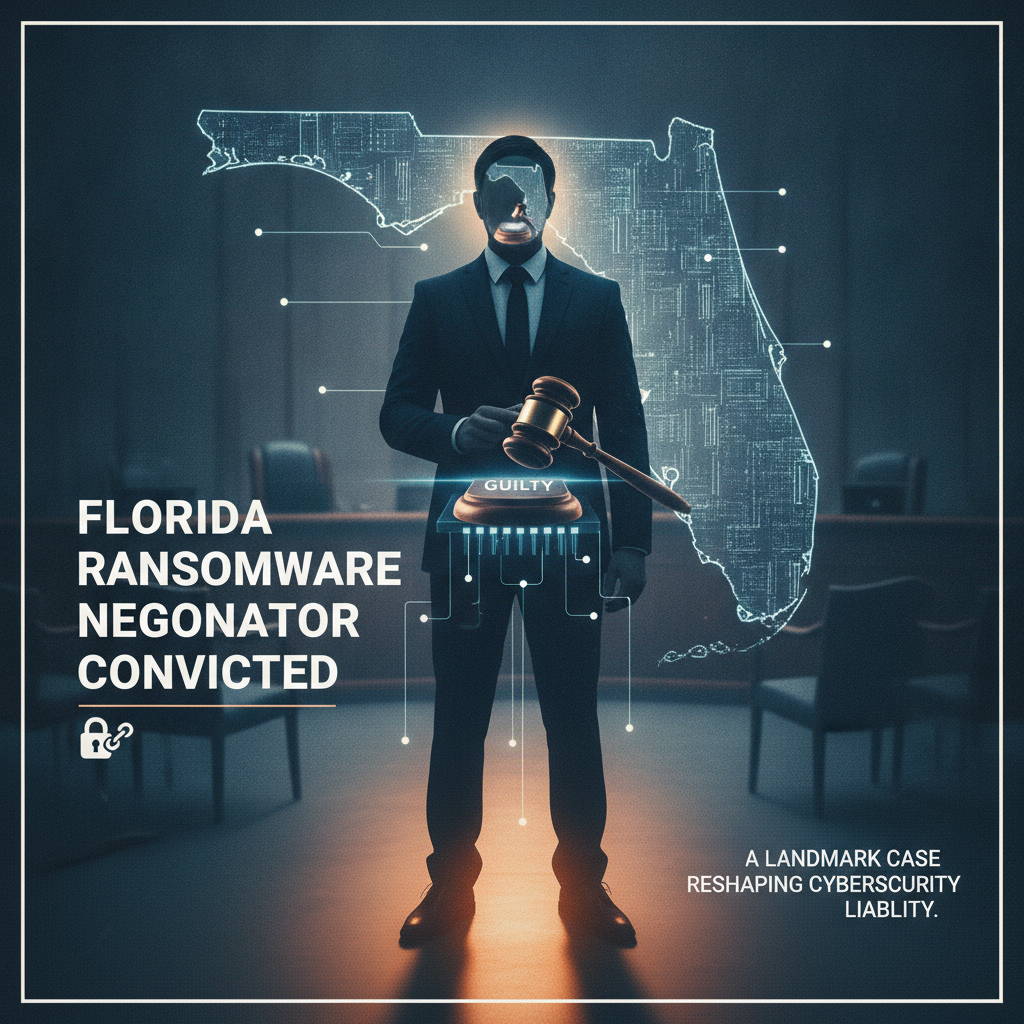
The cybersecurity world is reeling from a groundbreaking verdict out of Florida. In a case that signals a dramatic shift in legal liability within the incident response ecosystem, a prominent ransomware negotiator has been convicted for actively aiding a ransomware gang in extorting U.S. companies. This unprecedented ruling, highlighted by a recent TechCrunch report, sends a clear warning to all third-party cybersecurity service providers: the line between facilitator and accomplice is now under intense legal scrutiny.
The Unprecedented Conviction: What Happened in Florida?
The conviction of Reginald Thorne, CEO of Miami-based RansomSecure Inc., marks a critical juncture in the fight against cybercrime. Thorne, whose firm specialized in ransomware negotiation and incident response, was found guilty on multiple counts, including conspiracy to commit wire fraud, money laundering, and aiding and abetting a known international ransomware syndicate. Prosecutors presented compelling evidence that Thorne’s firm, under the guise of helping victimized U.S. businesses, was systematically inflating ransom demands, sharing sensitive victim intelligence with the attackers, and deliberately facilitating payments to sanctioned entities, all while pocketing inflated fees.
This wasn’t a case of negligence or poor judgment; the prosecution successfully argued that Thorne and key members of his team had established a symbiotic relationship with the ‘DarkHydra’ ransomware gang. By acting as a seemingly legitimate intermediary, RansomSecure Inc. provided a veneer of respectability, making it easier for DarkHydra to extract larger sums from desperate U.S. businesses.
The Shifting Sands of Ransomware Negotiation
For years, ransomware negotiators have walked a tightrope, balancing the immediate needs of a victimized company with the ethical and legal complexities of engaging with criminals. Their role has traditionally been to de-escalate, reduce financial impact, and facilitate data recovery. However, this Florida conviction fundamentally alters that landscape.
The ruling clarifies that the ‘negotiator’ label does not grant immunity from criminal prosecution if those negotiations cross into active complicity. It underscores the critical difference between minimizing harm for a victim and actively participating in the extortion process. Companies offering incident response and negotiation services must now operate with absolute transparency and meticulous adherence to legal and ethical standards, especially concerning financial transactions and communication with threat actors.
Profound Implications for U.S. Businesses and Cybersecurity Providers
This landmark case has far-reaching implications for various stakeholders:
- For Victim Companies: The conviction is a sobering reminder that engaging with third-party incident response firms requires rigorous due diligence. Businesses must vet their partners not just for technical prowess but also for their ethical framework, financial transparency, and adherence to anti-money laundering (AML) and sanctions compliance. An unwitting victim could inadvertently become entangled in a legal quagmire if their chosen negotiator is later found to be complicit.
- For Incident Response Firms: This case sets a new precedent for legal liability. Firms must implement robust internal controls, conduct thorough background checks on their personnel, ensure complete transparency with clients, and establish clear ethical guidelines for engaging with ransomware groups. Any practice that hints at collusion, such as inflating demands or sharing victim data beyond what’s necessary for negotiation, will now carry severe legal risks.
- For the Cybersecurity Industry: The conviction will likely spur a re-evaluation of industry best practices and potentially lead to stronger regulatory oversight for incident response services. It highlights the urgent need for standardized ethical frameworks and certification for ransomware negotiators to build trust and ensure accountability.
Navigating the Ransomware Threat Responsibly
In the wake of this conviction, U.S. companies must double down on proactive cybersecurity measures and exercise extreme caution when responding to an attack:
- Strengthen Defenses: Prioritize robust backups, multi-factor authentication (MFA), regular security awareness training, endpoint detection and response (EDR), and proactive threat hunting.
- Develop a Comprehensive IR Plan: Have a detailed incident response plan in place before an attack, including clear communication protocols and roles and responsibilities.
- Vet Your Partners Diligently: Choose incident response and negotiation partners with impeccable reputations, transparent practices, and a clear commitment to ethical conduct and legal compliance. Ask tough questions about their engagement with threat actors, payment processes, and adherence to OFAC regulations.
- Engage Law Enforcement: Report ransomware incidents to the FBI and CISA immediately. They can provide guidance, potential decryption tools, and intelligence, and can help ensure that any negotiation efforts remain within legal boundaries.
A New Era of Accountability
The conviction of the Florida ransomware negotiator is more than just a headline; it’s a watershed moment. It signals an aggressive stance by law enforcement against anyone who profits from or enables cyber extortion, regardless of their perceived role. As the battle against ransomware intensifies, integrity, transparency, and strict adherence to the law will be paramount for all actors in the cybersecurity ecosystem. This case serves as a stark reminder: in the fight against cybercrime, there is no room for complicity.
Leave a Reply