
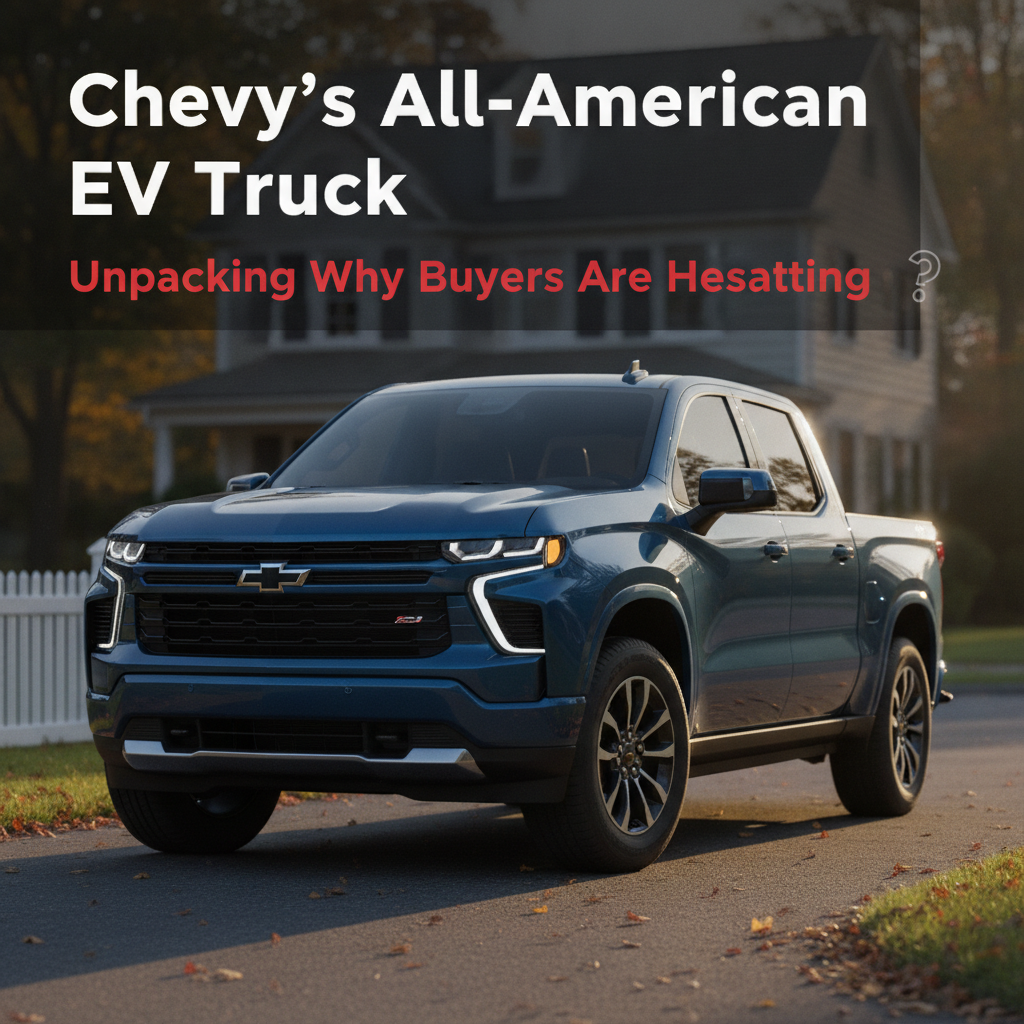
By mid-2026, the automotive landscape has seen a seismic shift towards electrification. Among the most anticipated entries was General Motors’ vision for an electric pickup truck – an all-American EV truck designed to marry rugged utility with sustainable power. Chevy’s contender, the Silverado EV, promised a compelling package of range, power, and Made-in-America pride. Yet, despite its strong initial fanfare and patriotic branding, sales figures reveal a surprising truth: buyers are hesitating. Why isn’t this highly anticipated electric truck selling as expected?
This deep dive explores the multifaceted reasons behind the lukewarm reception, from broader market challenges to specific decisions that may have hindered its journey from the factory floor to American driveways.
The Promise: American Grit Meets Electric Innovation
When Chevy first unveiled its electric truck plans, the message was clear: this wouldn’t just be another EV; it would be a true American workhorse, reimagined. Leveraging the advanced Ultium platform, the Silverado EV was slated to offer impressive towing capacities, competitive range, and innovative features like the Multi-Flex Midgate, appealing to both traditional truck owners and tech-savvy early adopters. The narrative centered on combining classic American strength with a future-forward, zero-emission powertrain, aiming to be the definitive ‘all-American EV truck’.
The marketing highlighted its manufacturing in the U.S., tapping into a powerful sense of national pride and economic support. For many, it seemed like a guaranteed success, positioned perfectly to capture a significant share of the rapidly evolving electric vehicle market, especially within the crucial truck segment.
Roadblocks to Adoption: Broader EV Truck Challenges
While Chevy’s execution is one part of the equation, the broader market for electric trucks presents its own unique set of hurdles that affect all players, including the Silverado EV.
Price Sensitivity in a Tough Economy
Electric trucks, particularly those with the range and features desired by consumers, come with a premium price tag. In an economic climate marked by inflation and rising interest rates, the average American buyer is increasingly sensitive to vehicle cost. A top-trim electric truck, even with potential tax credits, remains a substantial investment that many are not yet ready or able to make, especially when more affordable (and proven) internal combustion engine (ICE) alternatives exist.
Range Anxiety & Charging Infrastructure Gaps
For truck owners, range isn’t just about daily commuting; it’s about towing trailers, hauling equipment to remote job sites, and embarking on long road trips with heavy loads. The impact of towing on EV range is a significant concern, often reducing effective range by 30-50% or more. Combined with a still-developing public charging infrastructure, particularly in rural areas where many trucks operate, this creates palpable range anxiety. Drivers need confidence that they can reliably get to their destination and find suitable fast charging stations, even when operating under demanding conditions.
The Traditional Truck Buyer’s Mindset
The pickup truck segment boasts some of the most loyal and discerning buyers in the automotive world. Many traditional truck owners prioritize proven reliability, long-term durability, and familiar powertrains. The leap to an electric drivetrain, with its new maintenance considerations, charging routines, and performance characteristics, represents a significant cultural shift. Overcoming skepticism and demonstrating that an electric pickup can truly replace a tried-and-true gas or diesel truck requires more than just marketing; it demands extensive real-world validation and trust-building that takes time.
Chevy’s Specific Missteps (Hypothetical Analysis)
Beyond the general market headwinds, some factors might be more specific to Chevy’s approach with its all-American EV truck.
Marketing Misfire or Mismatched Messaging?
While Chevy successfully built hype, did its marketing effectively communicate the *value proposition* to the core truck buyer? Perhaps the message leaned too heavily on innovation for a segment that values practicality and reliability above all else. Or perhaps it didn’t sufficiently address the unique concerns of truck owners regarding EV performance under heavy loads, focusing instead on features like the Midgate which, while innovative, might not be a primary decision driver for many.
Design & Feature Choices
The Silverado EV’s design, while futuristic and aerodynamic, might have alienated some traditionalists who prefer a more classic, rugged truck aesthetic. Furthermore, while the Ultium platform is powerful, initial trims may have launched with features or price points that didn’t perfectly align with market demand. Did Chevy offer enough compelling reasons for a buyer to choose their EV truck over a more affordable, familiar ICE model or even a more established electric truck competitor like the Ford F-150 Lightning or Rivian R1T?
Stiff Competition in a Crowded Field
Chevy isn’t alone in the electric truck arena. The Ford F-150 Lightning had an earlier head start in some segments, building a loyal following. Rivian continues to appeal to the adventure segment, and while controversial, the Tesla Cybertruck also commands attention. By the time Chevy’s electric truck reached broader availability, the market was already witnessing intense competition. Differentiation and a clear unique selling proposition (USP) become critical.
Production & Delivery Hurdles
Like many manufacturers introducing new EV platforms, Chevy has likely faced its share of production ramp-up challenges and supply chain disruptions. Delayed deliveries or limited availability of certain trims can cool initial consumer excitement, pushing potential buyers towards more readily available alternatives.
What’s Next for Chevy’s EV Truck and the Market?
The current sales figures for Chevy’s all-American EV truck are a critical learning moment for the entire automotive industry. To turn the tide, Chevy may need to:
- Adjust Pricing & Offerings: Introduce more accessible trims, or offer compelling financing and leasing options.
- Enhance Charging Solutions: Partner with charging networks to ensure robust infrastructure, especially for truck-centric routes.
- Refine Marketing: Focus on practical utility, cost savings over time, and the proven capabilities of the electric truck under real-world conditions.
- Iterate on Features: Gather customer feedback to refine future models, ensuring features truly meet buyer needs.
The electric truck market is still in its nascent stages, and consumer adoption is a complex journey. While the dream of an all-American EV truck is strong, converting that dream into widespread sales requires more than just technological prowess; it demands a deep understanding of the market, careful strategic positioning, and unwavering commitment to addressing the genuine concerns of truck buyers.
Conclusion
Chevy’s all-American EV truck represents a significant engineering achievement and a bold step towards an electrified future. However, its current struggle to capture market share underscores the unique challenges of the electric truck segment. From economic pressures and range anxiety to the ingrained preferences of traditional truck buyers and fierce competition, multiple factors contribute to buyers’ hesitation. The path forward for Chevy, and indeed for all EV truck manufacturers, lies in continuous innovation, strategic market adjustments, and a steadfast focus on delivering undeniable value that truly resonates with the American truck owner.
Leave a Reply