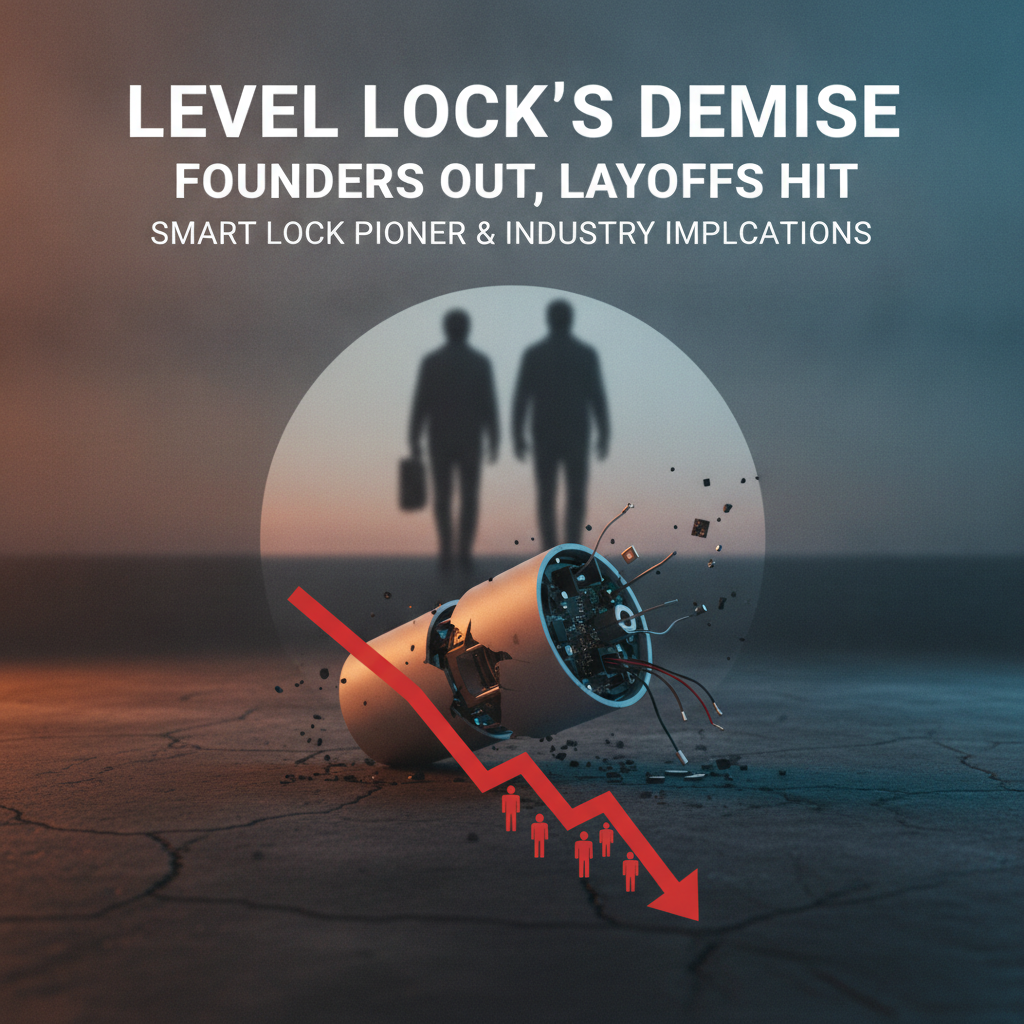
The smart home industry, often lauded for its innovation and convenience, is no stranger to disruption and consolidation. However, recent news from The Verge paints a stark picture for one of its once-promising players: Level Lock. The smart lock maker, renowned for its discreet and aesthetically pleasing designs, has reportedly been “gutted,” with its founders out and significant layoffs impacting the company.
This development sends ripples through the smart home security sector, raising questions about the viability of smaller innovators within a market increasingly dominated by tech giants and traditional lock manufacturers like Assa Abloy, Level’s parent company.
The Fall of Level Lock: A Closer Look at What Happened
Level Lock gained prominence for its innovative approach to smart home security, offering smart locks that integrated seamlessly into existing door hardware, maintaining a traditional look while providing modern conveniences. This “invisible” design set it apart from bulkier competitors in the smart lock space.
However, the dream seems to have soured. Reports indicate that Level has undergone substantial restructuring, leading to the departure of its founders and a significant reduction in its workforce. This move comes under the ownership of Assa Abloy, the Swedish lock giant that also owns Kwikset and other major brands. While the specifics of the internal dynamics remain somewhat veiled, the outcome is clear: the independent spirit and operational structure that defined Level Lock appear to be no more.
For many, Level represented the ideal blend of form and function in the smart home. Its products offered a subtle upgrade, avoiding the “techy” aesthetic that some users find unappealing. The layoffs and leadership changes suggest a strategic pivot by Assa Abloy, likely aimed at integrating Level’s technology and patents more directly into its existing portfolio rather than fostering it as a standalone, independent brand.
Beyond Level: Broader Implications for the Smart Home Industry
Level Lock’s situation isn’t an isolated incident; it’s a symptom of a larger trend impacting the smart home industry. Challenges include:
- Market Fragmentation: Too many players, too many standards, leading to consumer confusion and slower adoption of smart home technologies.
- Profitability Hurdles: High R&D costs, intense competition, and the need for ongoing cloud service support can make profitability elusive for hardware startups in the smart security arena.
- Consolidation by Giants: Large companies like Assa Abloy, Google, Amazon, and Apple are increasingly acquiring smaller innovators or pushing their own ecosystems, making it difficult for independent smart home brands to compete.
- Security and Privacy Concerns: The inherent trust required for smart home security devices means even minor breaches can severely damage a brand’s reputation and consumer confidence.
This episode highlights the brutal reality for many startups: even groundbreaking technology can struggle to survive without strong financial backing and a clear path to sustainable profitability within a complex and competitive market like smart home security.
What Does This Mean for Existing Level Lock Users?
For current owners of Level smart locks, the news can be unsettling. Key concerns typically include:
- Continued Support: Will customer service, warranty claims, and technical support remain available for Level Lock products?
- Software Updates: Will the locks continue to receive critical security updates and feature enhancements to ensure ongoing functionality and protection?
- Cloud Services: Many smart locks rely on cloud infrastructure for remote access and advanced features. Will these services remain operational, or could they be integrated into another platform (e.g., Kwikset’s or Assa Abloy’s broader ecosystem)?
Historically, when a company undergoes such significant changes or is absorbed by a larger entity, support can become inconsistent. While Assa Abloy is a reputable company, their focus may shift towards integrating Level’s assets into their core brands like Kwikset, potentially leading to a winding down of independent Level-branded support and services over time. Users are advised to monitor official communications from Assa Abloy or Level regarding the future of their products and services.
The Future of Smart Locks: Consolidation and Evolution
The smart lock market is clearly at an inflection point. While innovation continues, the trend points towards consolidation. We’re likely to see:
- Fewer Independent Players: The barrier to entry remains high, and the path to profitability is steep for standalone smart lock companies.
- Increased Ecosystem Integration: Locks will become more tightly integrated into broader smart home platforms (Apple HomeKit, Google Home, Amazon Alexa), emphasizing compatibility and seamless user experience.
- Focus on Core Security: Reliability, robust encryption, and seamless integration with existing home security systems will be paramount, as consumers prioritize dependable protection.
The story of Level Lock serves as a powerful reminder that in the fast-paced world of smart technology, even brilliant ideas need a sustainable business model and strong market positioning to thrive. While Level’s independent journey may be ending, its legacy of elegant, invisible smart security could still influence future products from its new custodians within the Assa Abloy/Kwikset family.
What are your thoughts on Level Lock’s situation and the broader smart home market? Share your perspective in the comments below!
Leave a Reply